

Love in the time of prenups
In Filipino romance, lovers promise each other “the moon, the stars, and forever.” But for the rich, somewhere between the engagement ring and the wedding cake arrives an uninvited guest carrying thick folders and the emotional atmosphere of a tax audit: the lawyer.
Nothing kills candlelight faster than a prenuptial agreement. A prenup feels like bringing an accountant to a harana. Cupid carries arrows; accountants carry calculators. But as Donald Trump always advised in his books: “Always sign a prenup.” Indeed, because even golden hair can turn silver, but a signed document stays black and white.
Yet under Philippine law, a prenup is not a confession of mistrust. Think of it as a pragmatic umbrella for the typhoon no one prays for—or a life jacket on a cruise where everyone insists the ship is unsinkable.
Weddings among the wealthy are sometimes less about two souls than mergers of clans, business interests, and even political dynasties. The wedding march occasionally sounds like a boardroom negotiation.
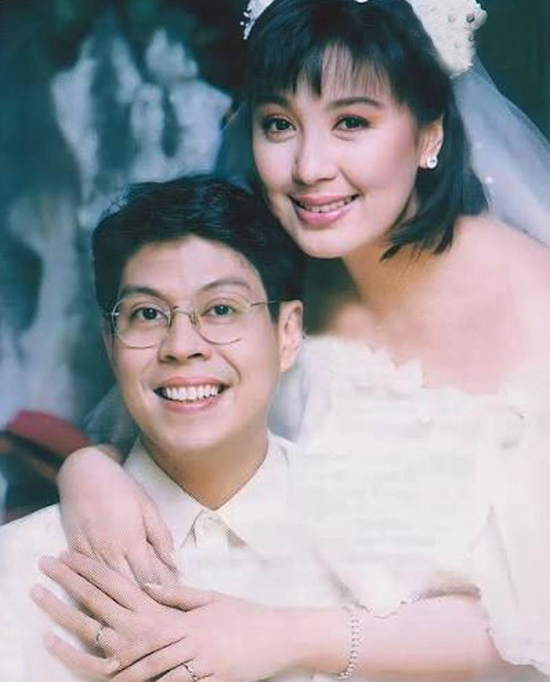
Before marrying Sen. Francis “Kiko” Pangilinan in 1996, Megastar Sharon Cuneta reportedly had a prenup covering substantial assets. Lawyer Kiko once told me he signed willingly, understanding that protecting Sharon’s fortune was prudent, not personal.
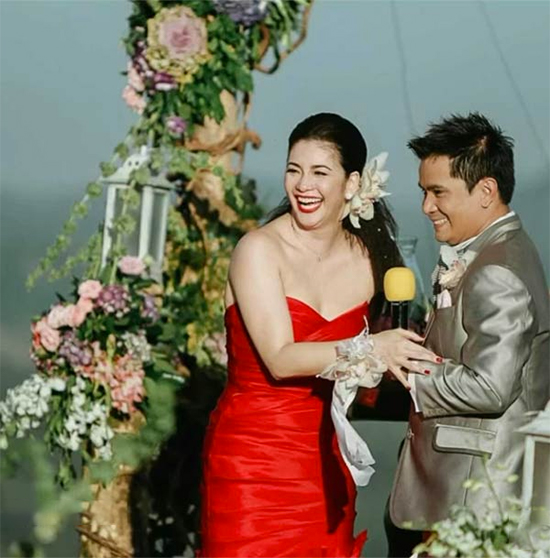
When Regine Velasquez married Ogie Alcasid, lawyers treated the prenup as simple business hygiene—Regine’s millions in concert revenues and royalties, Ogie’s three hundred songs. Even love songs, it seems, have accounting departments.


Kris Aquino once admitted publicly regretting not securing a prenup before marrying basketball star James Yap, despite her late mother President Cory C. Aquino’s advice. Their painful separation reportedly involved disputes over tens of millions in conjugal assets. A prenup might not have saved the marriage, but it could have spared them the arithmetic of heartbreak.
In contrast, Judy Ann Santos told me a week before her secret wedding near Tagaytay that she and Ryan Agoncillo embraced a fully conjugal partnership and no prenup. Marian Rivera and Dingdong Dantes similarly projected a traditional vision.
Both paths with or without prenup can be beautiful. One simply requires more faith; the other, more foresight.
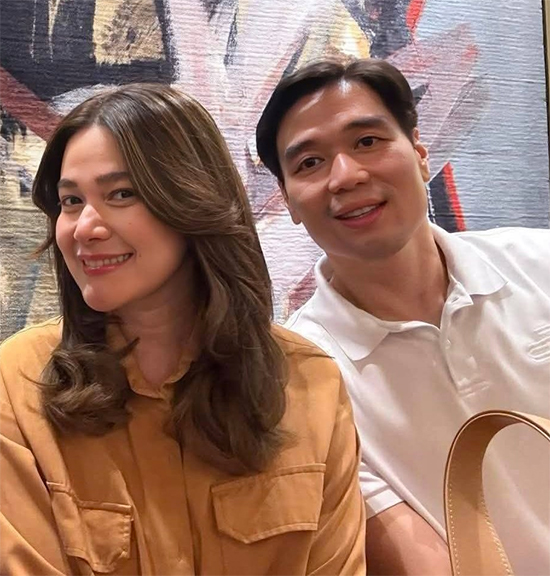
There are also modern cautionary tales on prenups. Rumors surrounding actress Bea Alonzo’s 2024 broken engagement to actor Dominic Roque allegedly involved disagreements over prenup provisions and future living arrangements. By 2026, gossip columns were already speculating that prenup disagreements may also have affected Bea’s reportedly canceled Spain wedding plans originally set this month with Puregold business scion Vincent Co.
Sometimes prenup conflicts are not really just about money. They expose deeper anxieties involving control, autonomy, family expectations, and simply incompatible futures.
Globally, the prenup stakes become Shakespearean. Jeff Bezos and MacKenzie Scott had no prenup. When Amazon became a $1.7 trillion business empire and divorce happened, Scott walked away with shares worth roughly $38 billion—the largest divorce settlement in history.
Bill Gates and Melinda French Gates also had no public prenup; untangling $130 billion reportedly required years of negotiation.
In their unique prenup, Michael Douglas reportedly agreed to pay Catherine Zeta-Jones $2.8 million per year of marriage plus a $5 million infidelity penalty if he commits adultery. Tiger Woods’ prenup and later divorce settlement ballooned to $110 million due to his various infidelity scandals.
Meanwhile, Beyoncé and Jay-Z reportedly structured prenup provisions involving millions per child, while Nicole Kidman included sobriety clauses for Keith Urban in their prenup.
And then there was Prince Charles and Princess Diana—no prenup, just a fairy tale marriage that collapsed before hundreds of millions, its emotional debris and financial arrangements negotiated not just by lawyers but followed by the entire world.
Philippine law remains less theatrical. Article 74 of the Family Code requires prenups to be signed, notarized, and recorded before marriage. Otherwise, most assets acquired after marriage become jointly owned (and to be equally divided upon legal separation by the way, when shall our legislators approve divorce for the Philippines?).
Still, a local prenup cannot regulate wandering eyes, emotional coldness, or midnight silences. It may orderly divide condominiums and beach houses—but it cannot partition heartbreak.
To many Filipinos, even among the very rich, asking for a prenup still feels awkward like bringing an umbrella to a sunny honeymoon. We emotionally prefer violins over valuation reports, whispered vows over stock portfolios.
But reality interrupts fairy tales without knocking. Cinderella never had to negotiate condominium titles in Ortigas or Bonifacio Global City. Romeo and Juliet were spared arguments about parking slots and whose relatives dominate Christmas lunch.
And yet, a prenup is not a prophecy of failure. It is an admission that while hearts float dreamily beneath moonlight and violins, land titles still prefer signatures, witnesses, and dry ink.
Because real love eventually graduates from poetry into accounting. It survives tuition fees, leaking roofs, and arguments over air-conditioning at 2 a.m.
After the champagne flutes are emptied, after wedding photos fade yellow, the real question is no longer who owns what. The real question is: Who stayed?
The prenup document may protect the money. But only love and fidelity protect the miracle. And no lawyer—not even one billing by the hour— can draft the only clause that truly matters:
“In sickness and in health, in riches or in debt, despite traffic, floods, in-laws, and bad karaoke… I am still here.”
That is the clause no lawyer can draft. And the only contract that survives the fire.

WATCH: Is Philippine cinema still thriving? (Generations Ep. 19)
September 2, 2026
WATCH: Pixar Summer Fest adventure at Hong Kong Disneyland
August 10, 2026