

Snake-face, anyone?
The things you see on YouTube. This time, it was my wife browsing. From the corner of my eye, I spotted a face that seemed heavily filtered to resemble a wide-eyed, benign serpent. My curiosity piqued, I lingered and learned that the man was Liu Zichen, also known as Baby Vincent.
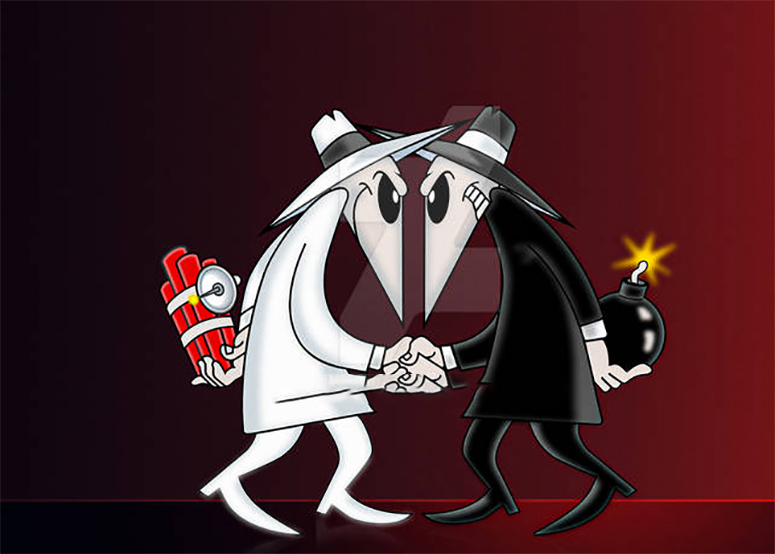
As a Gen Xer, the sight immediately triggered a wave of nostalgia mixed with profound bewilderment. You know what snake-face reminds me of? MAD Magazine’s “Spy vs. Spy,” with its pointy-faced characters. That classic strip was a parody of the political ideologies of the Cold War. Seeing a modern Chinese man popularizing this face, it seems we finally know who actually won that war.
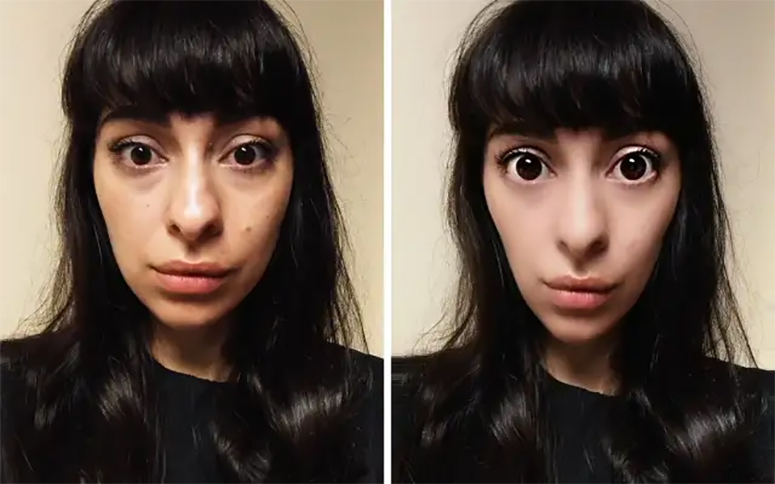
This bizarre internet phenomenon revolves around an aesthetic known as the snake-face look, an uncanny collection of features popularized by Liu. Its hallmarks include eyes stretched to impossible widths and a chin so sharply triangular it looks like it could effortlessly slice through paper.
The global collective consciousness has flirted with this geometry before, from the skeletal jawlines of Yzma in The Emperor’s New Groove to the weapon-like triangular chins of anime’s Kaiji Itō of Gambling Apocalypse and Ultimate Survivor fame. It most likely started with the sharp-chinned villainous snake demon from the 1986 Chinese classic animation Calabash Brothers. When Liu’s selfies first went viral, netizens instantly noted the resemblance, and “Snake Spirit Man” was born.
To keep the momentum going, Liu adopted a strategy of shameless opulence and persistent denial of ever undergoing any form of cosmetic surgery. He routinely argued with millions of skeptical followers, claiming he simply pressed his absurdly-wide double eyelids into existence using a self-invented massage technique.
CONTINUE READING BELOW

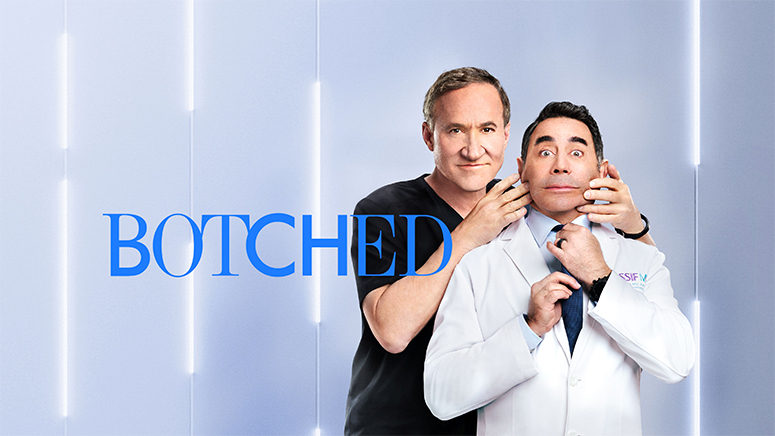
Liu would have been perfect for the American reality show Botched, where hosts Dr. Terry Dubrow and Dr. Paul Nassif made a living out of trying to reverse the exact kind of architectural anomalies Liu was parading as innate.
We all had a good laugh when the video revealed an old, ordinary-looking photo on Liu's identity card. While the revelation dealt a severe blow to the narrative he was selling, he claimed the government authorities had simply made an administrative error and accidentally printed a stranger’s photo on his official ID.
In a way, I can relate to his predicament, having suffered through my own share of terrible passport photos. Government offices seem to possess a supernatural knack for capturing us at our least flattering moments, immortalizing us mid-blink, mid-yawn, or frozen in some other unfortunate expression. But why, exactly, are we forbidden from smiling in these official portraits anyway? Apparently, biometric systems demand a neutral face, but the ironic result is that we all end up looking like we have something to hide when passing through customs and immigration.
To protect his reputation and fragile self-esteem, Liu Zichen claimed his high nose bridge and pale skin were simply the products of mixed heritage—assembling racial traits like an Asian kid trying to collect the Infinity Stones. Apparently, this unhinged confidence is genetic. His mother, Mama Liu, soon jumped into the fray, taking to social media to back his claims and insult mainstream celebrities by declaring them completely beneath her son’s standards.
Growing up, I received a sage mother-to-son advice on this topic: If you want to see the true beauty of your girl, look at her mom, or at least a photo of her mom, because that is how she will eventually turn out. This generational wisdom perfectly echoes the timeless will.i.am song, I Got It from My Mama, where he happily sings: “If the girl real pretty, nine times out of ten, she pretty like her mama. And if her mama real ugly, I guarantee ya she gon’ be ugly like her mama.”
The endless pursuit of an artificial ideal begs the question: Whatever happened to self-love, or is this merely an extreme, distorted manifestation of it?
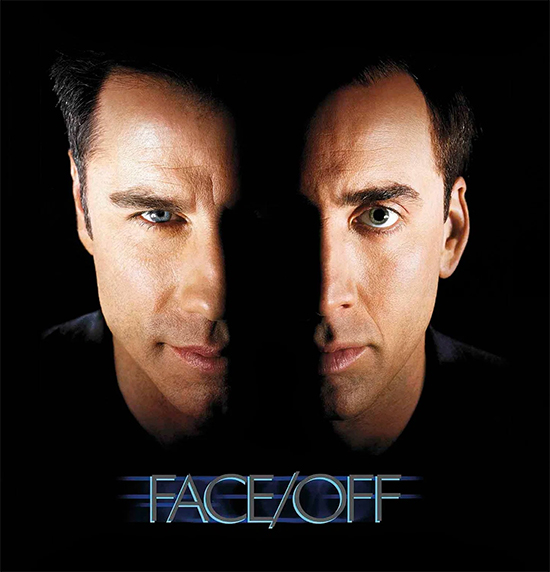
I am reminded of the 1997 movie Face/Off, where John Travolta and Nicolas Cage literally trade faces. Hollywood treated this as a thriller; but if swapping features with someone else became scientifically possible, legal, and morally accepted, would people adopt it as cosmetic enhancement?
In today’s image-obsessed culture, the answer may be less certain than we think. The fact that the snake-face phenomenon failed to catch on globally indicates that most people still prefer their true identities. Rather than trading away unique features like seasonal wardrobes, the extreme aesthetic possibilities presented by movies like Face/Off remain in the realm of fiction.
After years of fueling online controversies, Liu eventually vanished from social media. When he finally returned, it was with a completely ordinary face and a newfound message of body positivity, encouraging others to embrace their natural appearance. In an ironic twist, he later auditioned for an acting competition and was cast as Xiang Liu, the nine-headed snake demon from a popular historical drama, bringing his snake-face legacy full circle.
Yet, one cannot help but wonder how much of this chaos could have been avoided had Liu simply been content with the face he was born with, accepting that the original canvas is often the best one. As the legendary actress Ingrid Bergman once beautifully noted, “Be yourself. The world worships the original.”

WATCH: Can we talk about death and grief? (Generations Ep. 25)
October 14, 2026
WATCH: Pixar Summer Fest adventure at Hong Kong Disneyland
August 10, 2026