

What does it take to become a successful content creator?
Thinking of pursuing a career in content creation?
Content creation has become one of the most appealing career paths in today’s media landscape. From tips and how-tos to comedy and entertainment, creators are constantly finding new ways to capture audiences online.
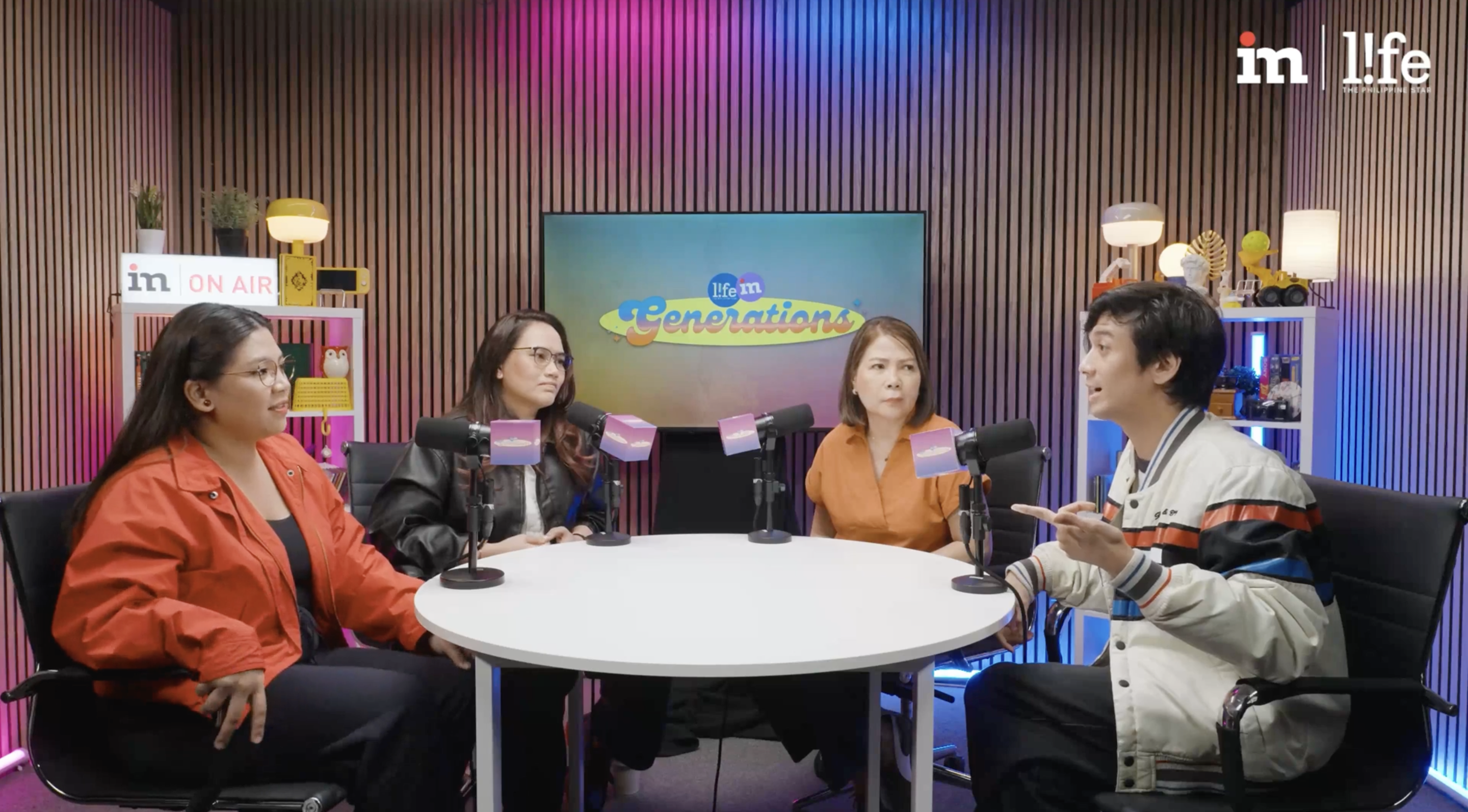
In the 24th episode of PhilSTAR L!fe's Generations podcast, content creators Luchi Cruz-Valdes, Raco Ruiz, and Abi Marquez, with educational content creator Lyqa Maravilla, broke down what goes on behind every single piece of content they put out there and shared what it takes to succeed in the field.
Abi, who started creating content in 2022, shared that she landed her first brand deal just a month later and earned her first million within six months. It was then that she realized content creation could be a viable career for her.
"I realized na this is something I can have as a career because this is gonna sustain my life. I can help my family, pay my bills, and that, to me, defined it as a career now," the food content creator said.
Behind the content

Even before content creation became a mainstream career, Lyqa started posting videos on YouTube in 2011, teaching drums, and later began creating educational content in 2014. She made her first 150 videos without earning a single peso from them.
"I didn't really expect it to be something I would do for almost my life," she said. At the time, she was juggling law school, reviewing for boards, dealing with a breakup, and creating content. It was in 2017 when she decided to go full-time in content creation.
She started by teaching her subscribers how to prepare for the Civil Service Exam, then expanded to college entrance tests, before eventually covering general education topics.
For Lyqa, she posts content out of passion rather than for the purpose of earning. She just makes sure that she can provide for herself and help support her family.
There’s more to creating content than simply pressing record and talking to the camera.
Raco observes that his unscripted content performs better than high-production posts, as audiences tend to value authenticity over polished, branded content.
"It's more about the substance of it. It's not how good it looks, but it's the value people can get from it," he said.
Raco and Abi shared that they spend long hours, even days, producing even a minute-long piece of content—from brainstorming and shooting to revisions before finally posting.
Abi and her team, for one, have to shop for the ingredients and test the recipe two to three times before shooting the content to make sure that the recipe they will share is foolproof.
As creatives, while they have greater freedom over their time and workload, they also face the constant pressure to come up with ideas for content—even during their downtime. Lyqa noted the emotional toll of this, saying that they can feel unproductive whenever they are not actively working on content.
The content creators also shared that they shoot multiple videos a day and have to stretch their resources to make the most of the time, lighting, and energy they have.
How to earn from content creation
For Raco, brand deals can be one of the quickest ways for creators to turn their content into income. But monetization isn’t as straightforward as simply getting more views.
Lyqa set the record straight: Views don’t automatically translate into earnings. She noted that creators in the Philippines can earn significantly less from platform monetization than creators abroad, making it important to understand where income actually comes from. The pressure to chase views can also push creators toward rage bait and other tactics just to drive engagement.
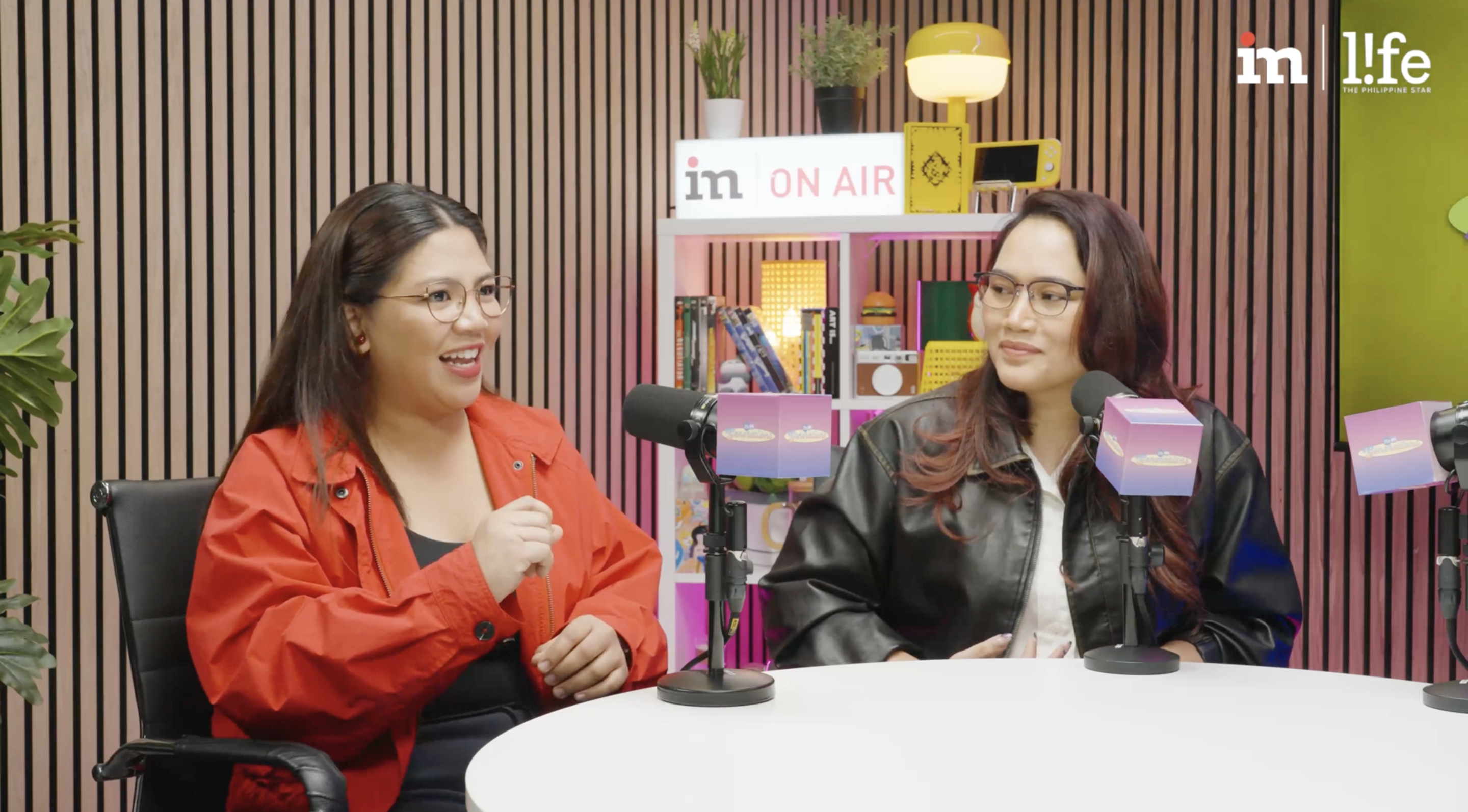
She also pointed out that positive content can be harder to go viral, adding another challenge for creators who want to grow without resorting to controversy.
Beyond brand deals and platform monetization, affiliate marketing offers another way to earn. Creators can recommend or feature products, and when viewers make a purchase through their affiliate link, the creator earns a portion of the sale.
Lyqa, however, noted that while this strategy can generate income, there is also the issue of ethical consumption.
The group, being content creators, said that they would continue creating content even without monetization, as long as they have other sources of income. They added that one can enter the industry out of passion or with the sole intention of earning money, as long as they stay true to themselves and uphold their principles.
"If you walk into this world without a clear idea of what you want to become, it's very messy. Because you'll stumble along the way, you might make mistakes [and] actually ruin your reputation early on," Raco said.
Staying credible and relevant
When it comes to relevance, Lyqa said that professionals must also become content creators, citing Luchi and Ambeth Ocampo as examples of how experts can share their knowledge and legacy with new generations.
Luchi, host of Usapang Real with Luchi, shared her struggle to attract Gen Z audiences. Abi said it’s all about the treatment—she uses a snappier editing style for TikTok, while opting for a softer editing style on Facebook to cater to both audiences.
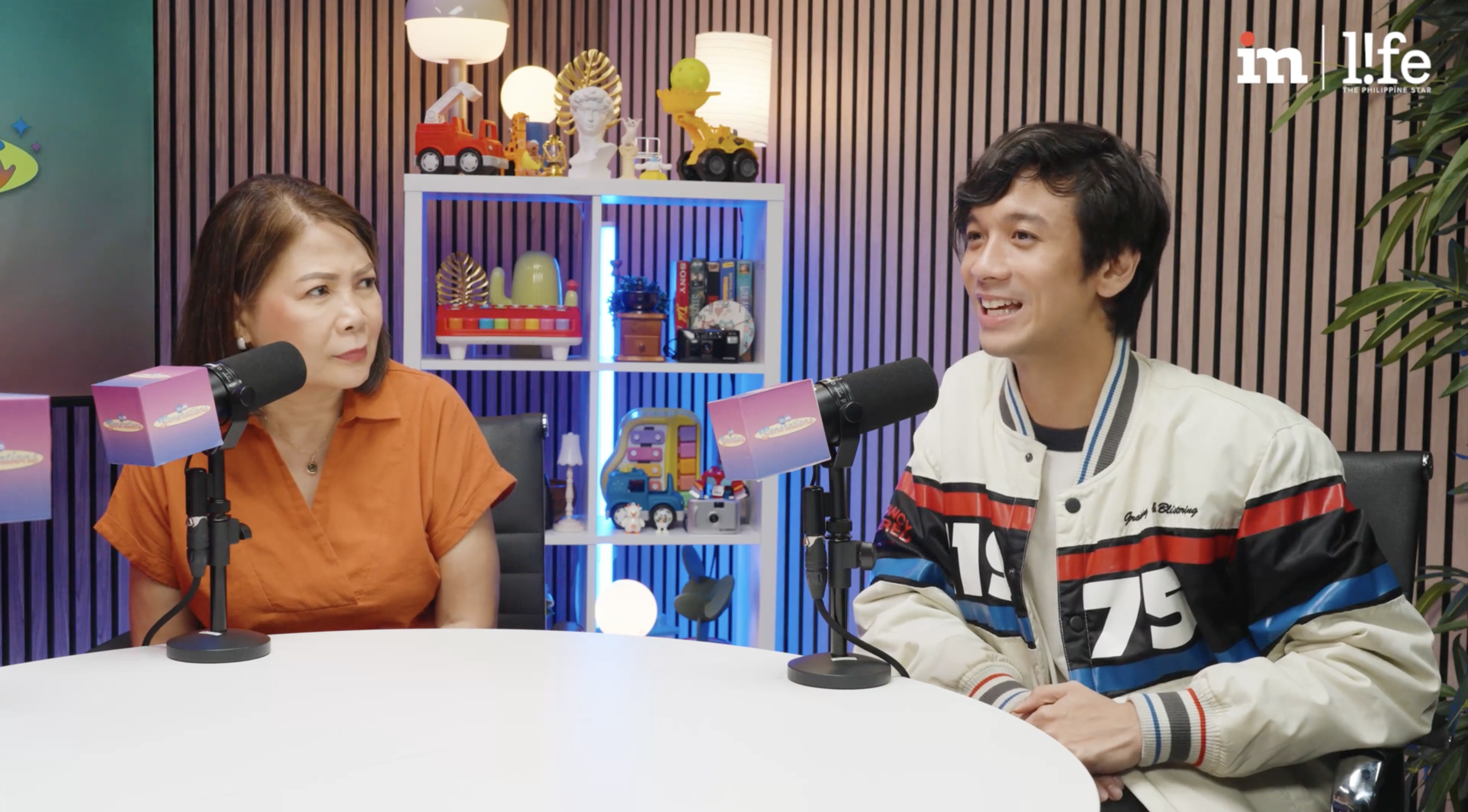
Lyqa, who teaches grammar, admitted that she doesn’t get it right all the time but noted that she wouldn’t be the content creator she is today if she had waited for it to be perfect. She also emphasized that even experts need to continuously learn and improve.
They also pointed out how easy it has become to be a content creator with the emergence of artificial intelligence. Raco stressed that while AI can produce polished and visually appealing output, it cannot generate truly original ideas on its own.
"People don't care whether it's noble, original, humane, or ethical; all they care about is that it works," Lyqa said. "'Yun 'yung problema, kaya I feel like we should really stand together and say and believe in a hopeful way that humans are still better," she added.
Tips for aspiring content creators
If you're looking to start your journey to content creation, Raco suggested creating content you would want to watch that doesn't exist yet.
"If you're gonna start making stuff and copy someone else, that's a way to start, kaso lang it won't pick up 'cause it already exists," he explained, adding that you can combine two niches and be creative with the approach, as long as they don’t feel redundant.
For Abi, you should also be careful about consuming other people’s content, as you may unconsciously start wanting to do the same thing.
"It makes you not really unoriginal, but it puts you in a different space wherein you could've been spending time creating original ideas," she said. "You're building a reputation for yourself as a creator that you are creating something new, and you're worthy of a follow because people will get value from you."
Lyqa, meanwhile, said that you need to find a different measure of success—one that is meaningful to you. "Find another definition of success... otherwise you'll stop eh," she explained.
Lyqa and Luchi also stressed the importance of not quitting your day job, with Lyqa warning that doing so may force you to compromise your ethics.
The educational content creator likewise advised people to continue living their lives and learning. "It's not always forever; you need something to fall back on," she said.
To start a career in content creation, Abi said you don’t need fancy equipment; it’s all about the story you'd tell.
"It's what the video can contribute to the person who's watching. It's always the story," Abi said, noting that aspiring content creators should think about the influence and impact their content can have on their audience.
"Content creation is not really just expressing what you want, but publishing something will ultimately end up in other people's phones, on young minds' feeds, and might affect their opinion. Please think about things you will allow your audience to see," Abi stressed. "Be a more responsible influencer."
Watch the full episode below.
Follow PhilSTAR L!fe on YouTube and Spotify to catch new episodes of Generations.

WATCH: LGBTQIA+ people with unlikely professions
June 28, 2026