

LDRs and the Filipino way of staying close
“I can’t do long-distance.” Say it once, and you’ll hear the echo: “That’s fair.” Say it enough, and it becomes a verdict rather than a preference, a closing line that ends conversations, crushes potential, and sometimes, painfully, determines who you might have loved.
Here in the Philippines, that sentence lands with particular weight. We are a people who calendar our hearts around family time: fiestas, special occasions, and Sunday lunches. We measure devotion in visits and shared plates. To refuse distance is not always a refusal of loyalty. Sometimes it’s a refusal of a life that asks you to rearrange everything you love just to keep it going. Saying “I can’t do LDR” can sting because it often reads like a missed chance; the pivot that could’ve turned “what might be” into “what is.”
I’ve lost chances to those four words—“I can’t do LDR”—more times than I can count. There was the soft, late-night intimacy with someone who sent me voice notes instead of good-morning texts because of time differences—tender, sincere, enough to unspool a thousand small futures, until the inevitable: “I can’t do LDR.”
There was the flirtation that escalated into plans, into whole imaginary weekends and passport photos, until distance turned a promise into a polite decline. It’s brutal because these rejections don’t always feel like judgment. They often feel like inevitability; our needs didn’t align.

Part of the reason LDRs fracture is love languages. Some people live by physical touch: a hug after a hard day, a hand on the small of your back, the near-automatic comfort of proximity. Others keep score in words of affirmation, acts of service, gifts, or quality time. Technology can mimic some of these currencies. A video call dinner can approximate quality time; parcels can become gifts; voice notes can be words of affirmation. But the body’s appetite for touch is not a file you can download. For those whose primary language is physical contact, no number of read receipts will replace the relief of shared breath in the same room.
CONTINUE READING BELOW

That doesn’t make someone wrong for choosing to walk away. It makes them honest. It also makes the loss real. I don’t want this essay to read as a litany of grievances; I’m not looking for pity. I’m naming a truth I live with: Even when we tried with midnight calls, scheduled visits, flights booked on a whim, and painstaking calendars, some things remained unfulfilled. Technology softened the edges but didn’t fill the hollows. An hour-long video call can’t fix the math of missed anniversaries, the sting of seeing a partner’s social feed full of life you aren’t in, or the fatigue of time-zone bargaining.
Yet, not all long-distance stories end in grief. I have friends whose marriages were forged across oceans: a cousin who met a partner in a crew mess in Dubai and returned years later to a simple civil wedding; an OFW aunt who spent years sending remittances and heart-filled Instagram captions, and then bought a sari-sari store with her spouse when they finally closed the distance. Those examples matter. They show that LDR works when the love languages and life maps align, when sacrifice is mutual, or when one partner’s absence is matched by equally substantial presence in other forms. Reciprocity—the willingness to match effort to capacity—is the variable that determines if distance becomes an ache or the scaffolding of a life.
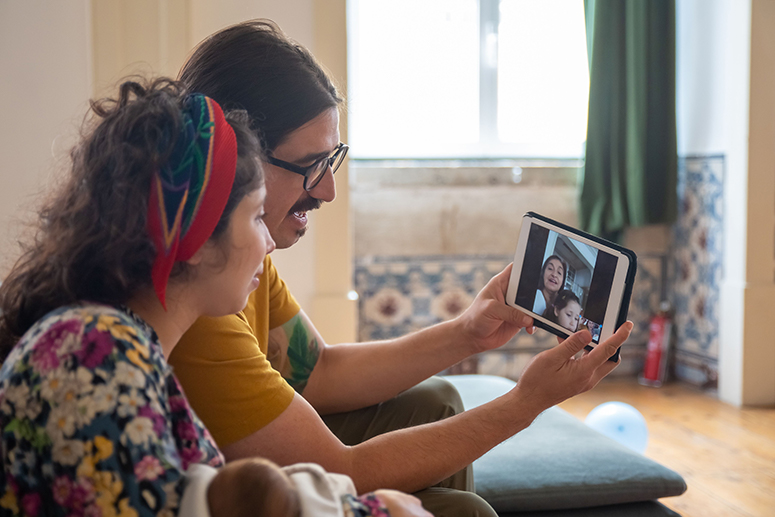
Cultural context shapes those decisions. In many Filipino households, living apart is not a neutral choice; it’s tied to work migration, remittance patterns, care for elderly parents, and community expectations. An OFW partnership isn’t merely a couple’s negotiation; it’s often a familial strategy. When someone in that configuration says, “I can’t do LDR,” they’re sometimes protecting more than themselves, but also a precarious arrangement that keeps food on the table back home. That nuance complicates the sting. It makes the refusal both personal and structural.
So how do we live with this reality without making it a moral failure?
First, stop turning “I can’t do LDR” into shame. The phrase isn’t cowardice, but a boundary. Honesty about limits is kinder than theatrical endurance.
Second, learn how to read effort beyond cameras and timestamps. A partner who cannot visit every month but who wires money to keep your lights on, who books a flight for your birthday despite exhaustion, who rearranges a contract to create time, shows forms of closeness that deserve to be recognized.
Third, be deliberate about love languages. If you know touch is your oxygen, don’t outsource your survival to a video call and call it love. If you know you thrive on words and constant communication, make that need legible to partners early.
Still, we must not romanticize the grief. It stings. It ranks among the small, untaggable tragedies of youth: a future that’s outlined but never colored in. It’s okay to be sad about it. It’s also okay to accept that some losses are not failures but reroutes.

The cruelty of modern connection is that we can simulate intimacy so well that we forget what we’ve been simulating. We can stitch together a fabric of companionship from likes and late-night calls, until it begins to fray in the daylight. But the miracle of modern communication is a balm, not a replacement for bodies and rhythms that weren’t built for distance.
So what’s the lesson for those of us who have been told, “I can’t do LDR”? It’s not to resent the refusal. It’s meant to be read as a map. It tells you who a person is at scale, what they require to feel loved, what they can offer, and what future geographies you might never inhabit together. It’s a kind of mercy in the long term. An early honesty that prevents a later ruin.
I still carry the ghosts of what might have been. I still scroll sometimes, stupidly, through profiles, conversations, and imagine other timelines. But I’ve learned this: Longing is not a verdict. It’s an instrument. It can play a dirge or teach you a new song. The better music is the one you learn to sing yourself, with or without the exact body you once imagined beside you.

WATCH: Discovering Vietnam in three days
June 9, 2026
WATCH: Can we talk about death and grief? (Generations Ep. 25)
October 14, 2026