

Are Gen Zs really a bunch of 'snowflakes'?
Are Gen Zs too "soft" or are they just being firm with boundaries?
In the 23rd episode of PhilSTAR L!fe's Generations podcast, veteran journalist Luchi Cruz-Valdes and content creators Raco Ruiz and Abi Marquez sat down with actor-director Andoy Ranay and singer Jayda to discuss whether Gen Z’s “sensitive” behavior is about refusing accountability or simply knowing how and when to draw the line.
Andoy, a Gen X, shared his experiences working with Gen Zs during shoots, noting that most of their production assistants are now Gen Z. He observed that when they get reprimanded, they tend to “break down,” unlike when he was starting out in the industry as a PA. During his time, he said, he would simply take the time to understand where he went wrong, acknowledge his lapses, and focus on getting better.
"Hindi kami naghahanap ng assurance from our bosses, because during that time, you have to prove your worth to everyone," the director recalled.
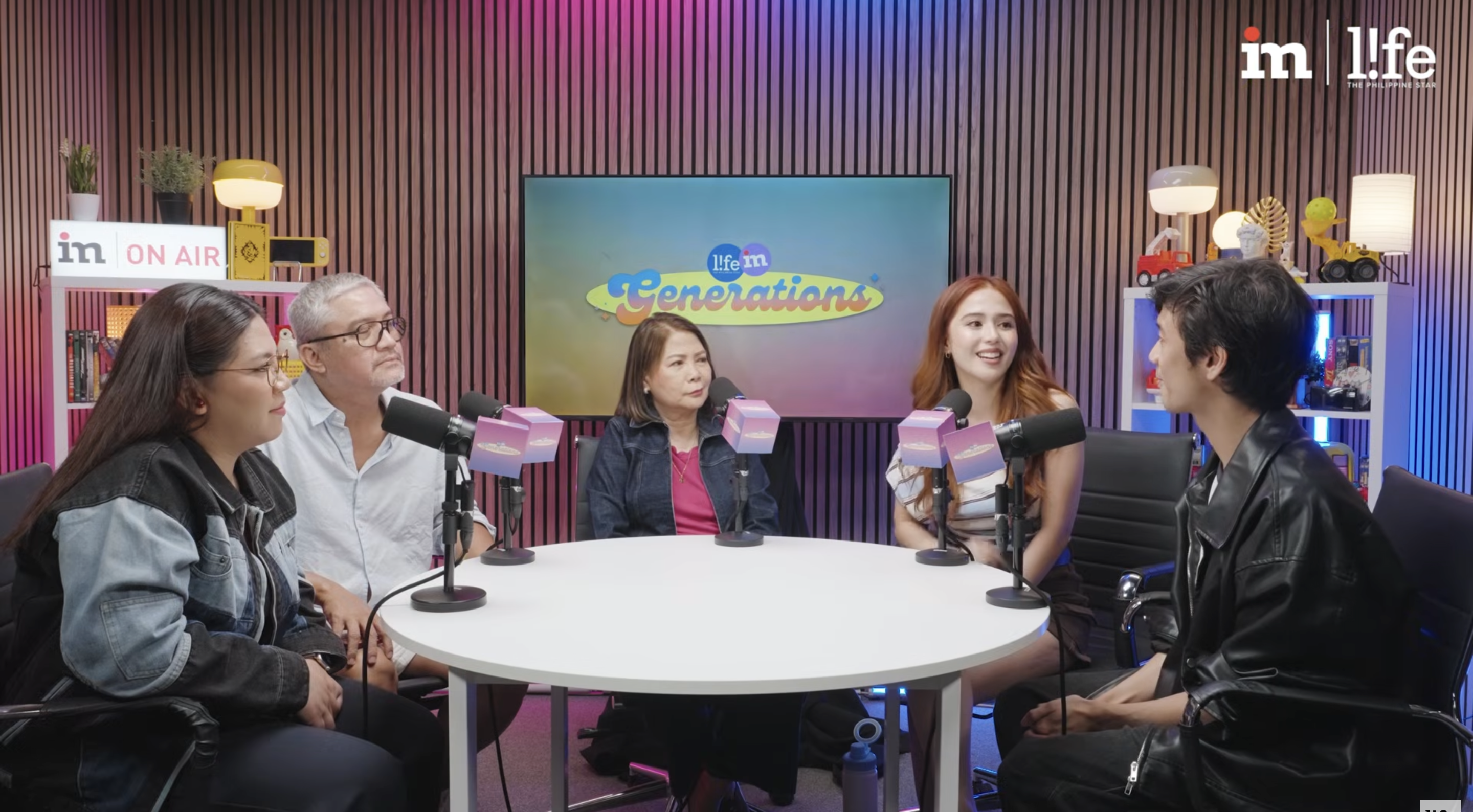
The group touched on fears of being scrutinized, especially with “cancel culture,” where anyone can easily pull up receipts through photos and videos. Abi asked when something genuinely bad or harmful can be considered justifiable, versus simply dismissing people as being too sensitive.

Jayda, who was raised by Gen X parents, singers Jessa Zaragoza and Dingdong Avanzado, said that she was taught to have a tough shell when she entered showbiz.
"The main perspective that I've carried throughout my life is that the world will not adjust for you, or sometimes the circumstances won't always be favorable to you. Minsan magkakamali ka; dapat matuto kang maging accountable sa pagkakamali mo," the Gen Z singer said. "Kasama 'yun sa pagiging professional sa trabaho."
"You'll learn to take whatever life throws at you," she added. "You can only control how you react to it."
She noted that while different generations may have varying perspectives, it's important to maintain respect regardless of those differences.
The group acknowledged that some members of Gen Z are known for their association with “cancel culture,” while others do not identify with it. Andoy, for one, noted how Gen Z can easily adapt to different situations.
They went on to explain how each generation tends to act differently, while also acknowledging that there can be differences even among people within the same generation. The series director also pointed out that these differences depend on how someone was raised, regardless of the generation they belong to.
'Toxic' and 'triggering'
Jayda believes this behavior among her generation can be attributed to having “so much freedom” on social media, which can lead them to forget boundaries, especially when using dummy accounts.
She added that people often tend to judge others based on their mistakes without considering the full context, which takes away the opportunity for change and accountability.
"If someone makes a mistake, that defines them as a whole person. What about the possibility of accountability and capacity for change?" she said.
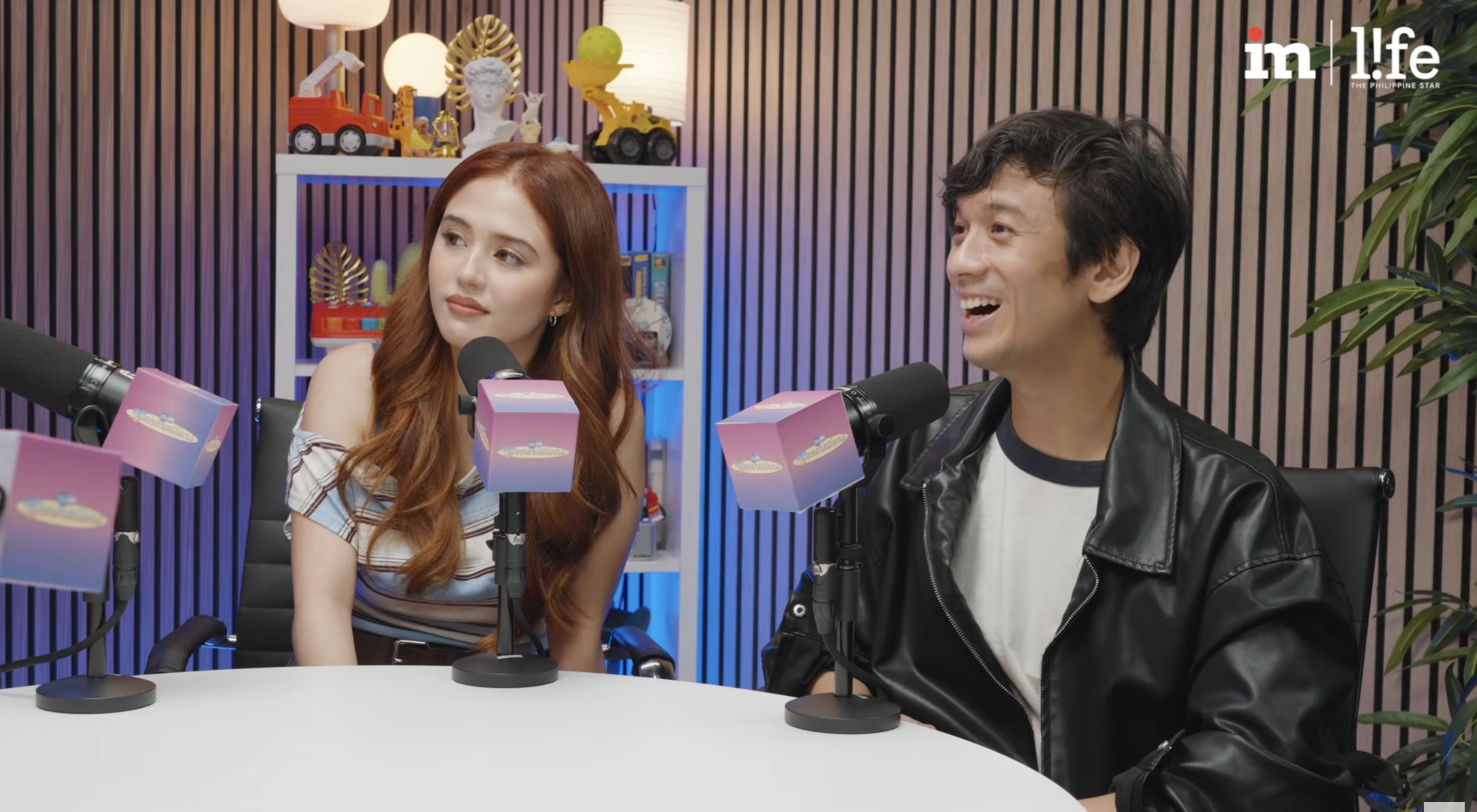
Jayda reiterated the importance of respect, particularly in agreeing to disagree.
In a video message, psychologist Frances Miranda highlighted how Gen Z’s growing engagement with mental health conversations on social media has encouraged them to better understand and articulate their experiences. However, she cautioned against the careless use of terms such as “toxic” and “triggering,” which may sometimes be used to avoid difficult conversations.
Instead of labeling someone as “toxic,” Miranda suggested focusing on specific behaviors and boundaries: “That behavior is unhealthy, and now I want to talk about boundaries.” She also encouraged people to look deeper into what affects them and consider how they can cope with it better.
“I believe nagiging harmful ang paggamit natin sa salitang toxic and triggering kapag ginagamit na siya to avoid difficult conversations instead of starting the right ones,” she said.
Luchi agreed, saying that if something gets you “triggered,” more than focusing on the reaction itself, it’s important to assess yourself and understand why it affected you.
"Feel ko it would be a more productive use of our time if we see something that's triggering us, and ang first instinct namin is to say it and to start a discussion na, 'This is why this feels hurtful for me.' You will try to fix it and confront what's making it difficult," Abi added.
Raco reiterated the need for self-work.
"I think a lot of people right now are so quick to dehumanize whatever they see online because they forget that it's a person on the other side of that," the millennial content creator said.
The group agreed, with Luchi saying, “Social media is harsh.”
On 'red flags' and quitting
Abi shared she observed that some Gen Zs are less likely to work through difficulties. In relationships, she noted that when they spot something they don’t like about someone—such as their age, zodiac sign, or other preferences—they tend to swipe left almost instantly.
Andoy agreed, saying that there have been so many red flags that swiping left immediately can take away the chance to get to know someone better. "Paano tayo matututo?" he mused.
"There is no perfect person. We all have the capacity to make mistakes, and also change," Jayda said.
The group agreed, with Luchi saying that people are losing their sense of commitment because they tend to leave when they no longer match with their partner.
The same applies to the professional setting. Gen Zs tend to switch jobs more frequently, unlike the longer tenures typically seen in earlier generations. Luchi and Andoy, as veterans in media, said this can be seen as a red flag, especially since the learning process in the industry takes time.
Abi added that as an employer, she sees frequent job-hopping as a potential red flag. "It's difficult for me to trust people who jump around a lot," she said.
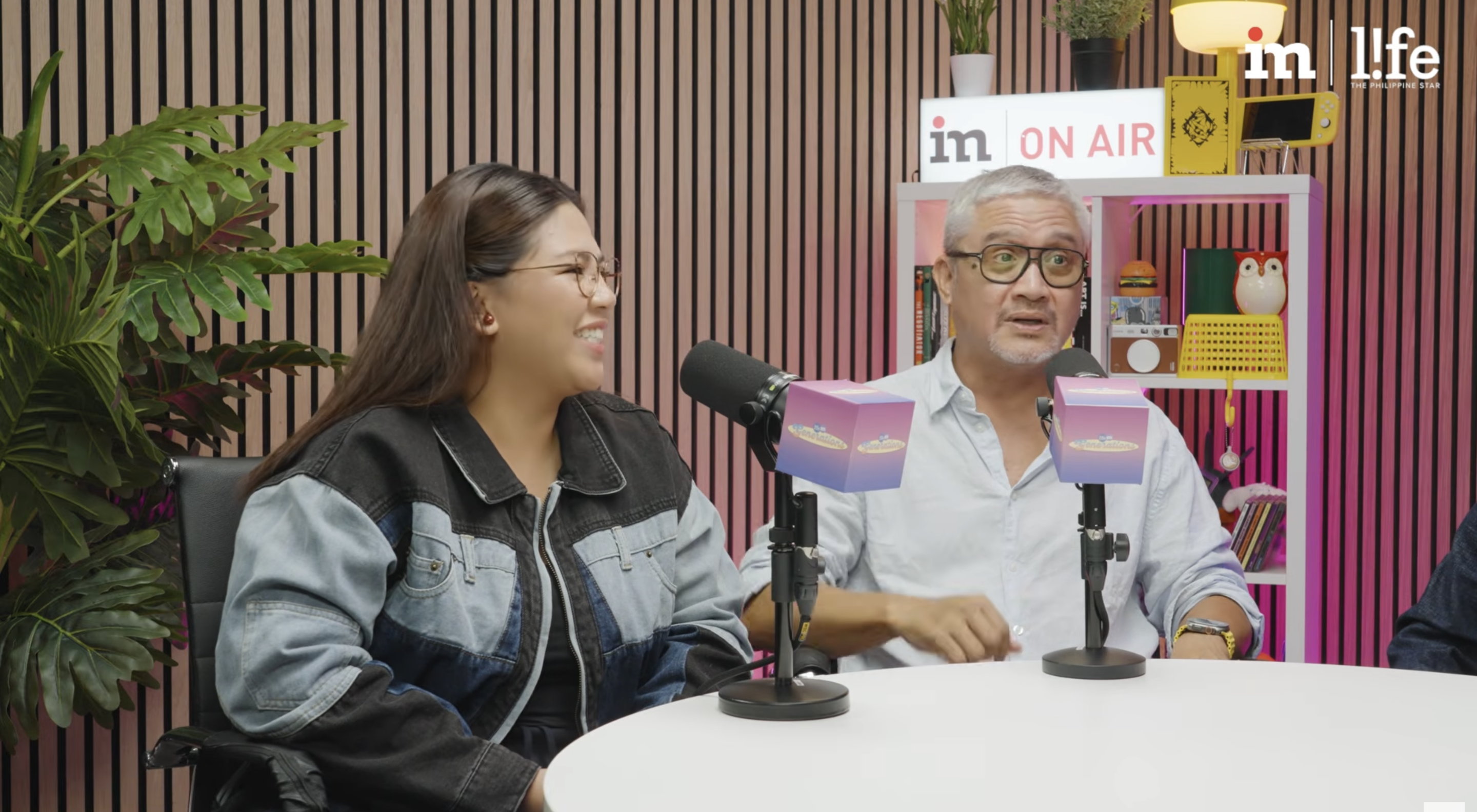
Luchi, when she was still a journalist, noticed that Gen Zs, especially during internships, tend to treat their work as merely an academic requirement rather than an opportunity to gain firsthand industry experience.
Andoy noted that there are Gen Zs outside of social media who tend to keep their feelings to themselves out of fear of being “cancelled,” unlike previous generations, who were often more comfortable speaking their minds.
Abi echoed this, saying that she is naturally non-confrontational and often finds it easier to let people go than to work through conflicts.
"But if you just keep everything inside you... the person still doesn't know that they've offended you. The person doesn't learn how to work with you," the Gen Z content creator continued. "You skip doing the difficult thing, which should have made your relationship better in the long run."
The group agreed, stressing the importance of open dialogue and having difficult conversations. "Just talk. It avoids wars," Luchi said.
For her part, Jayda said that Gen Zs should understand that "it's okay to be wrong." Andoy agreed, emphasizing the value of respect regardless of generation.
"It all boils down to goodness," the director pointed out. "Gumawa na lang tayo ng kabutihan sa kapwa natin... kaysa doon sa kung sino [dapat] ang magaling."
Watch the full episode below:
Follow PhilSTAR L!fe on YouTube and Spotify to catch new episodes of Generations.

WATCH: Is Philippine cinema still thriving? (Generations Ep. 19)
September 2, 2026
WATCH: LGBTQIA+ people with unlikely professions
June 28, 2026