

Can trust ever be the same once it's broken?
Is it still possible to rebuild trust after a betrayal?
Betrayal can take many forms and happen in any kind of relationship. But what does broken trust leave behind, and can forgiveness help rebuild it? In the 22nd episode of PhilSTAR L!fe’s Generations podcast, veteran journalist Luchi Cruz-Valdes and content creators Raco Ruiz and Abi Marquez open up about their experiences with trust and betrayal, and rebuilding relationships across friendships, professional settings, and romantic relationships.
How do you know when to trust someone?
For Luchi, trust is something that is instinctive to people. She doesn't believe you can always know when to trust someone—you often only find out later. In her experience, she initially distrusted people, only to learn that they are not as bad as she thought.
"You can't really judge," she said. "It's hard to tell. You will only know after you work with them."
"Onti onti naman kasi 'yan—our relationships are built slowly," she continued.
CONTINUE READING BELOW

Luchi pointed out that there are levels of trust and information you don't want to share, like how much you earn.
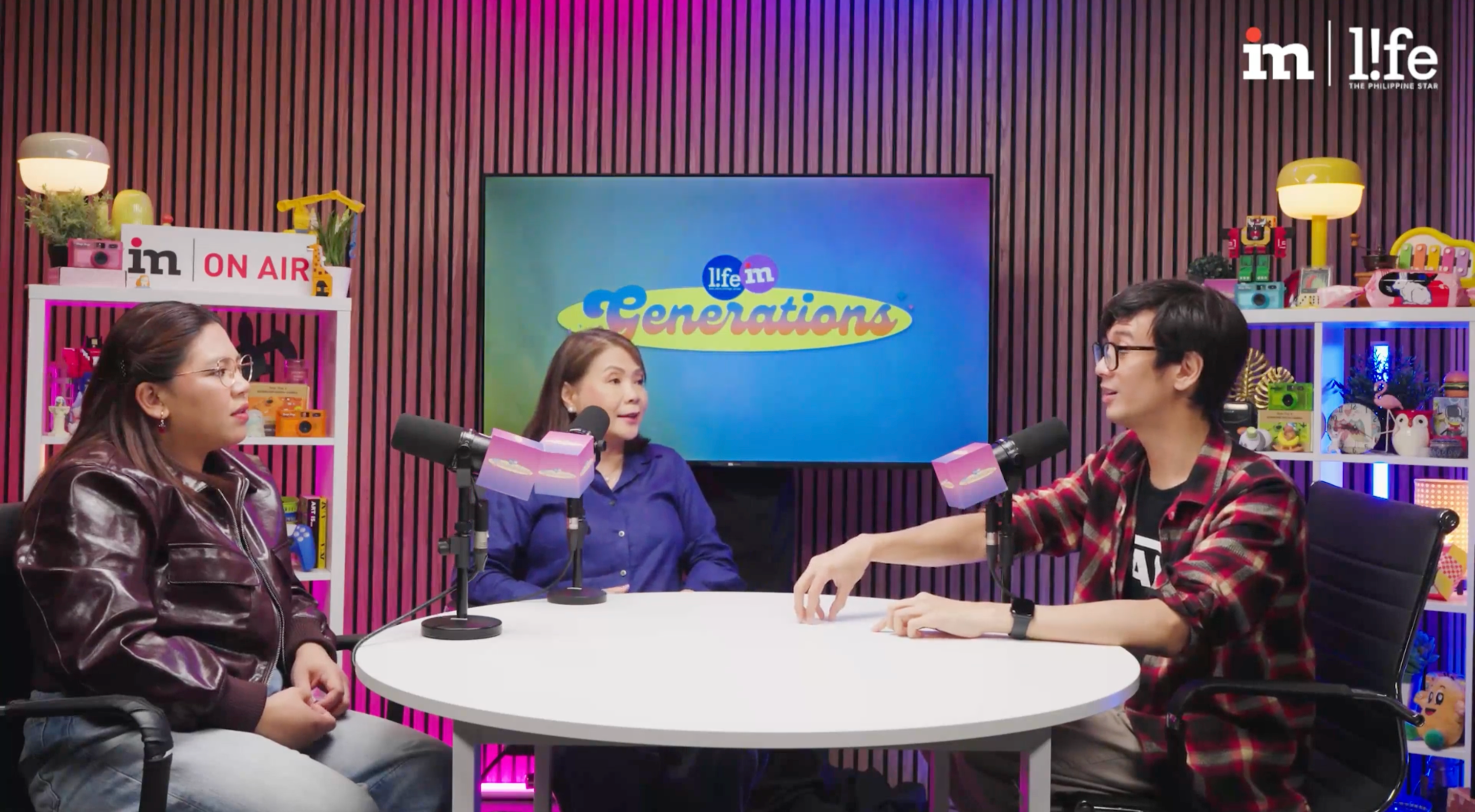
For Abi, trust grew from knowing that someone had her back. She recalled how she and her high school friend became best friends after the latter stood up for her when “mean girls” were talking behind her back. That moment helped Abi build trust in her, and the two have remained best friends ever since.
"It's like when someone has an opportunity to do something bad to you... or when you're vulnerable and there's literally a moment where they can earn from your vulnerability but they consistently show you na 'No, I want the best for you,' then I feel like that when I trust someone," the Gen Z content creator said.
She opened up about being betrayed by someone she had hired and trusted with her finances. The person ended up doctoring her receipts and using her credit card without permission.
The experience left Abi more guarded and taught her to put up a wall when meeting someone new. "That's why I was saying nothing teaches you as well as a good betrayal," she said.
The group also got candid about the times they had betrayed someone they were still friends with. Luchi said there are other factors to consider when deciding whether to keep a friendship, while Raco shared how he was able to earn their trust back. He noted that the kind of betrayal and the level of friendship can determine whether you remain friends.
"Of course that [betrayal] will never heal. The scar is always gonna be there and I accept that; I own up to it. That's why I think some friendships, despite some kinds of betrayal, still survive," Raco said.
The Generations hosts then shifted to betrayal in romantic relationships, from knowingly doing things that would hurt a partner to falling out of love with them.
Raco recalled a time when he was so “excited to be in love” that he became too lenient and forgot to set boundaries in his relationships. "It taught me what I value and what I should put on the table right away," he said.
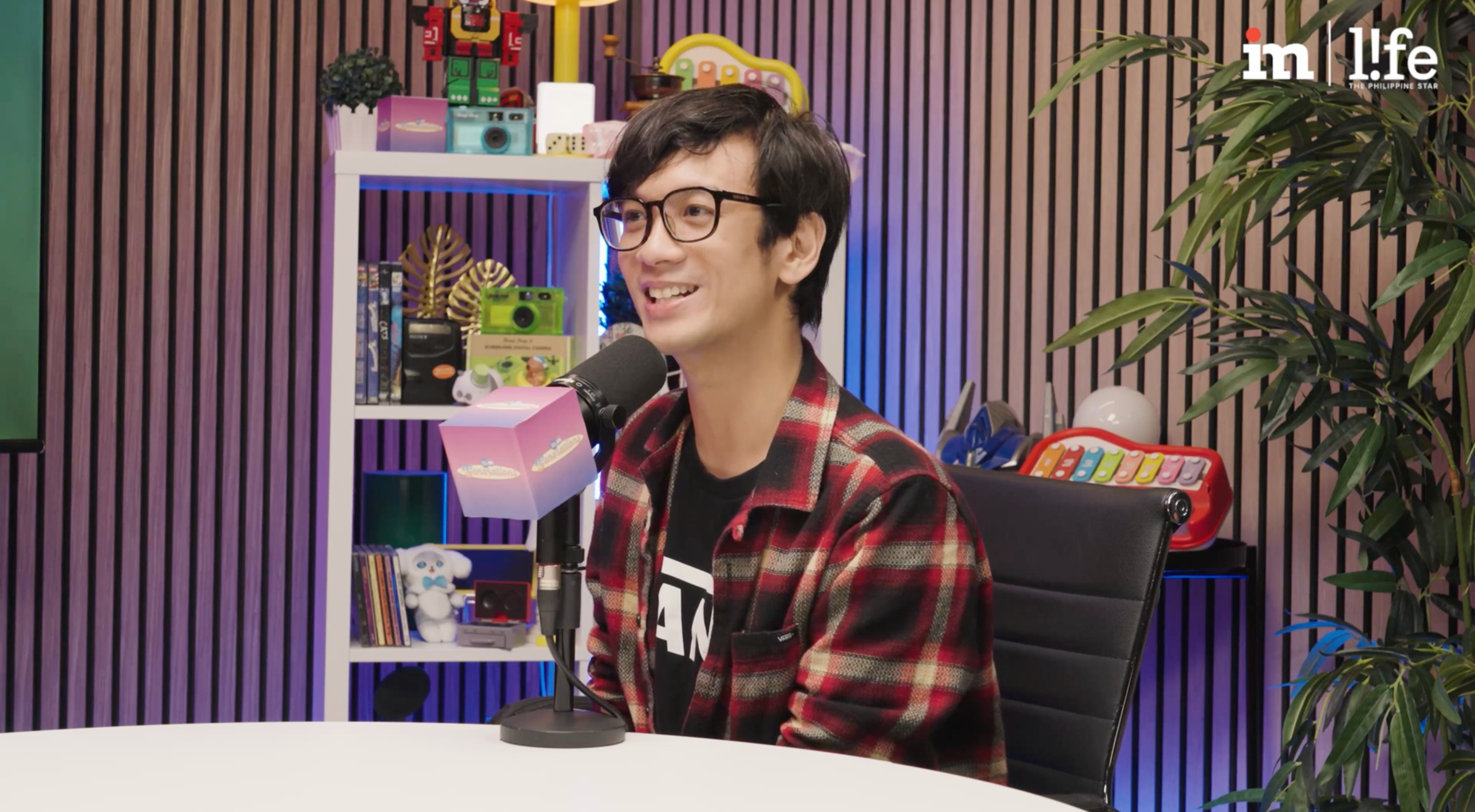
Abi seconded this, saying, "It's about how betrayal teaches you boundaries. I become a better person after each betrayal because now I know my boundaries." She also shared how she learned to build relationships without being too trusting.
Raco added that giving away too much of yourself right away can “devalue” the trust.
Luchi reminded Generations listeners of the importance of being intentional about the relationships they choose to invest their trust in.
"I think that what's important is you choose the relationships you really want to be invested in. Once you find someone with whom you want a really deep relationship—whether it's just a friendship, work relationship, whatever it is, it's so important you invest with trust as number one qualification," the veteran journalist said.
"Good relationships are organic. At some point, after working with the person even for just a week or so, you will know na you can trust her," she said. "If she was faithful in the little things, you know that she will be faithful in bigger things."
Red flags you shouldn't ignore
Raco considers it a red flag when people tell a different story when you’re not around just to boost their ego and lack integrity.
Luchi said that another red flag is revealing someone's secret. In a professional setting, she added that being late is one red flag she considers when gauging whether someone is trustworthy, as it can signal unreliability.
But is keeping secrets from someone also a form of betrayal? The group said it depends on the secret, but they agreed that if revealing it could hurt or end a relationship, they would rather keep it—unless the person genuinely needs to know.
"You have to ask yourself: When is revealing a secret useful?" Luchi mused. Raco pointed out that it also comes down to intention, saying that people shouldn’t share secrets with malicious intent but should reveal them when doing so serves justice.
Abi considers it a betrayal when someone keeps something from her that she needs to know. Raco added that telling the truth can sometimes save someone, such as warning a job applicant about a company with a bad work environment or telling someone about a potential partner’s history of cheating.
Ross Manalo, a clinical psychologist, explained in a video message that betrayal is painful because "it's something that cannot be fixed using band-aid solutions."
"It's actually way deeper than we expect it. Tayong mga tao, we are wired to treat trusted people as our safety nets. So imagine building your nets of psychological safety with someone only for them to shatter it," she explained, adding that when someone who once felt safe becomes a source of danger, it can create anxiety and disrupt one’s sense of safety.
It also leaves the betrayed questioning their own judgment, replaying the bad memories, and overthinking about missing warning signs.
Abi echoed this, saying betrayal isn’t just a one-time thing. The memories can replay over and over, which may leave you questioning whether the good moments were ever real.
"'Naloko ka.' Ang sakit no'n e 'di ba? Lalo na kapag ang tagal mo nang kasama. Pinagkatiwalaan mo na nang buong sarili mo... tapos biglang iiwan ka," Luchi said, with Raco adding, "It's an insult to intelligence."
Forgiveness and rebuilding trust
When it comes to rebuilding trust, Raco said the situation determines whether he gives someone another chance, but he will cut them off if they cross his non-negotiable boundaries, including cheating in a romantic relationship.
The group agreed that cheating is difficult to forgive, particularly within a marriage, where existing laws can make separation more complicated.
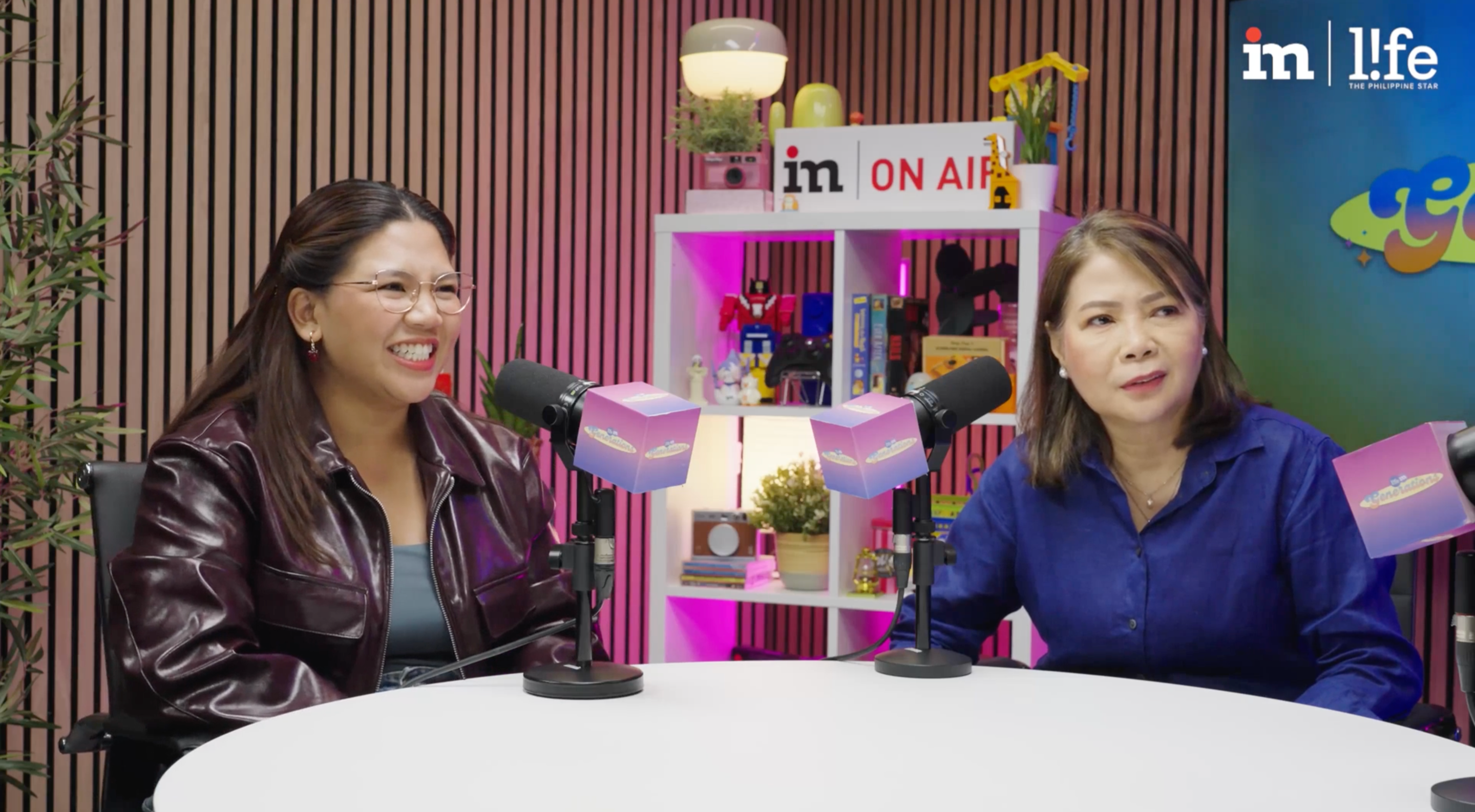
Manalo noted that betrayal can leave a lasting strain, and one way to heal is to learn how to manage it. She suggests widening perspective.
"It's important for you to realize that not everyone will hurt you... You have to avoid your automatic judgment to ruin your chance with people," the psychologist said. Another thing is to redefine trust and learn to establish your own core values to know how to draw healthy boundaries.
The last thing is practicing self-care. "Kapag nangyari ulit 'yung same incident, you'll know how to handle it without breaking your resilience and your boundaries," she added.
To regain trust, Raco said that it takes time and that someone has to slowly earn that trust back. For Luchi, it means "being in Christ." For Abi, it means being able to genuinely apologize and understand the seriousness of what they did.
Watch the full episode below:
Follow PhilSTAR L!fe on YouTube and Spotify to catch new episodes of Generations.

WATCH: Discovering Vietnam in three days
June 9, 2026