

What is circadian depression and how is it treated?
Researchers at the University of Sydney have identified a new subtype of depression driven by the body's internal clock: circadian depression.
The study, published in the British Journal of Psychiatry by Cambridge University Press on Oct. 20, used clinical and genetic data gathered from over 10,000 Australians with severe, recurrent, or persistent depression to characterize the subtype. It found that almost 25% of the participants, or 2,604 individuals, displayed symptoms of this condition.
"'Circadian' refers to the sleep-wake cycle of a person, governed by brain mechanisms. 'Depression' refers to the state of sadness that becomes a sickness because it is persistent, affects functioning, and involves mental and physical symptoms already," psychiatrist Dr. Constantine Yu Chua told PhilSTAR L!fe.
Put together, Chua defined circadian depression to be "driven by a disruption or malfunction of a person's sleep-wake rhythm." In other words, a person may develop this if their internal body clock gets thrown off-schedule, messing up their natural sleep and wake cycle since, per Chua, the rhythm of being awake and asleep "regulates the flow of hormones and neurotransmitters that are involved in mood."
Who is most at risk?
Circadian depression can be common among people whose lifestyles don't follow the normal timing of sunlight and dark exposure, which is vital in controlling one's circadian rhythm. Per Chua, the risk is amplified in those who live in countries with long winter months and periods of darkness, workers on graveyard or irregular shifts, individuals who have a habit of pulling all-nighters, or those who stay indoors all the time.
CONTINUE READING BELOW

These symptoms tend to manifest in younger people and may also develop in people who are genetically predisposed to inflammatory and cardiovascular diseases, as well as neurodevelopmental disorders, such as ADHD.
People with circadian depression tend to oversleep, said Chua. They also wake in the morning feeling tired but recover later in the evening. Other symptoms, according to the University of Sydney researchers, include seasonal patterns of illness, mania, and higher levels of suicidal thoughts.
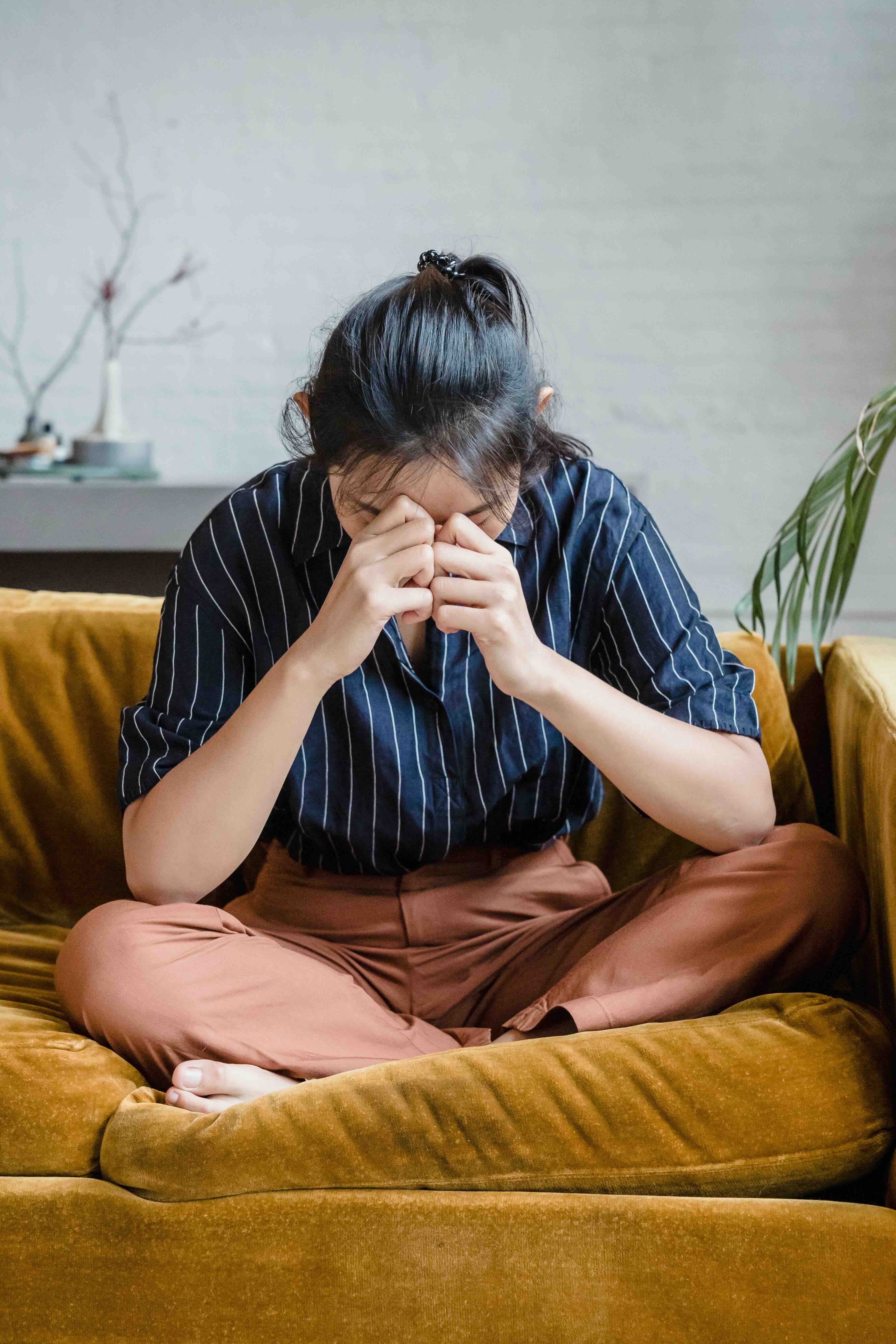
Treatment for circadian depression
Because this particular subtype of depression is linked to the internal body clock, treating it may have to go beyond the standard antidepressants and psychotherapy, per Chua.
"Medications that touch on the neurotransmitters implicated in the sleep-wake cycle, melatonin and orexin [for example], can be used," Chua said. "Bright light therapy that simulates sunlight at the right timing may also help."
Though the medications are available in the Philippines under prescription, Chua said bright light therapy is less accessible since it is commonly offered to patients in countries with a winter season.
Clinical psychiatrist Ian Hickie, per the University of Sydney, also suggested that early detection and diagnosis counts. According to Hickie, misdiagnosing circadian depression in young people often brought more side effects and a failure in treatment.
Chua clarifies, though, that circadian depression is a relatively new concept that is still being studied and is "not officially included in the most used diagnostic system of psychiatry."
"Thus, it is not common that a patient would receive this diagnosis," he clarified.
According to him, symptoms of circadian depression may be lumped under "depressive disorder, with notes of seasonal pattern, atypical features, or co-morbid sleep disorder."
Still, he asserts that regardless of the labels placed on circadian depression and medications that may be prescribed, consistent and enough sleep remains a top priority for treatment. More than medications, Chua recommends establishing a consistent sleep-wake cycle "that is anchored on sleep hygiene and a conducive lifestyle."
"The concept highlights the importance of sleep, life rhythm, and even light exposure as parts of the holistic management of depression," he told L!fe.

WATCH: How to experience Bangkok and Kanchanaburi in one trip
October 21, 2026
WATCH: Why is it so hard to make friends? (Generations Ep. 26)
October 21, 2026