

Kanin nation: Is our love affair with rice making us diabetic?
"Hindi ako busog kung walang kanin.”
If there is one sentence that unites all Filipinos, from Batanes to Tawi-Tawi, it may be this one.
We eat rice for breakfast with tuyo and sinangag. We eat it for lunch with adobo. We eat it for dinner with sinigang. We even eat it for merienda, disguised as puto, bibingka, and suman. Spaghetti? Best with rice. Pancit? Also with rice, bakit hindi (why not)?
For many of us, a meal without rice is not a meal. It is a snack that forgot its purpose.
Our relationship with rice is the longest-running love story in the archipelago. It has survived wars, typhoons, and countless diet fads. But like many great love stories, it has a complicated side.
And lately, the plot has been thickening.
The silent majority
CONTINUE READING BELOW

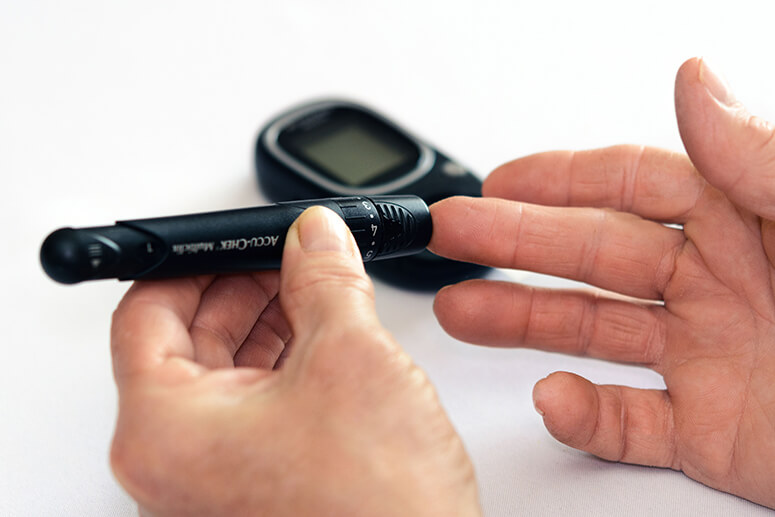
As we observe World Diabetes Day on Nov. 14, it is worth remembering that diabetes rarely arrives unannounced. It usually sends a messenger first.
That messenger is called prediabetes.
Prediabetes means your blood sugar is higher than normal, but not yet high enough to be classified as diabetes. It causes no pain, no thirst, and no dramatic symptoms. Most people who have it have no idea. They feel fine, eat their usual two to three cups of rice, and go on with life.
But prediabetes is not a harmless waiting room. Many people with it eventually develop full-blown diabetes, and damage to blood vessels—including those of the heart, kidneys, and brain—may begin even before the diagnosis is made.
The good news? Prediabetes is often reversible. This is the stage when small changes on the plate can still change the ending of the story.
This World Diabetes Day, let us keep the romance with rice alive, just with smaller servings, better grains, and a little more walking.
What the science says
White rice is mostly starch, and starch is simply sugar molecules holding hands. Once digested, it enters the bloodstream as glucose fairly quickly. Polished white rice has had most of its bran and fiber removed, which is precisely why it is soft, fluffy, and quickly absorbed.
Several large studies have linked high white rice consumption to a greater risk of type 2 diabetes. The association appears strongest in Asian populations, where rice is eaten in large amounts several times a day. A large international study, PURE, which followed adults across many countries, found that those who ate the most white rice had a higher risk of developing diabetes, with the strongest effect seen in South Asia.
Now, before anyone throws the rice cooker out of the window, let me be clear. These studies show association, not guilt beyond reasonable doubt. Rice-eating cultures that stayed physically active, as our farming grandparents did, did not have the diabetes rates we see today.
What changed? We kept the rice but lost the araro (plow). We now eat like farmers and live like office chairs.
The unli-rice trap
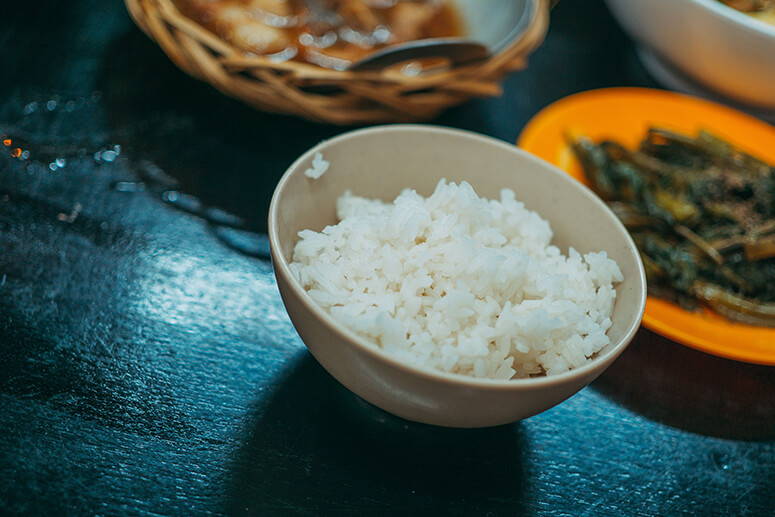
If rice is the leading lady of the Filipino plate, unli-rice is the scene-stealing kontrabida.
Few marketing ideas have been as brilliantly Filipino, or as quietly dangerous. Pay for one meal, and the server keeps coming back with another scoop until you raise your hand in surrender. Many diners treat it as a personal challenge, as if leaving without the third cup means losing money.
The problem is not the first cup. It is the momentum.
One cup of cooked white rice already carries a substantial load of carbohydrates. Three or four cups in a single meal, often with sweet-salty ulam and a glass of soft drink, can send blood sugar soaring. Repeat that daily for years, and the pancreas, our hardworking insulin factory, starts to tire.
I often tell patients: your stomach may be unlimited, but your pancreas is not.
A healthier love affair
You do not have to break up with rice. You just need to set healthier boundaries.
Mind the portion. For most adults, a cup of rice per meal is enough. Better yet, fill half your plate with vegetables, a quarter with fish, chicken, or beans, and only a quarter with rice.
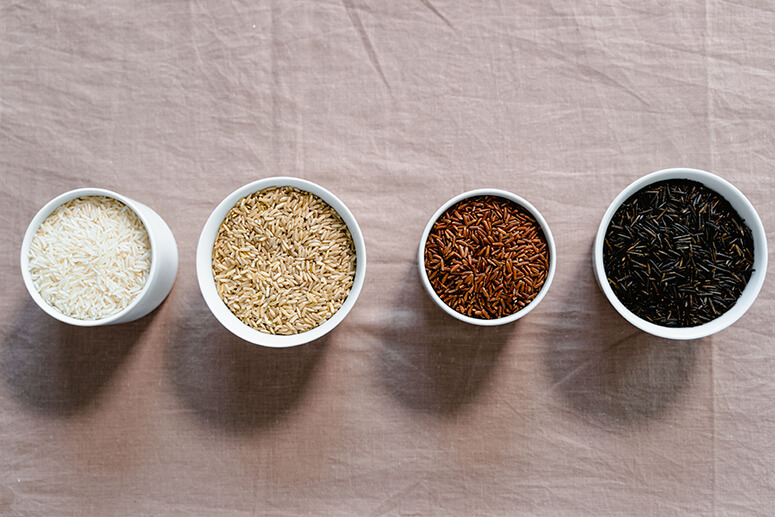
Upgrade the grain. Brown, red, or black rice keeps more of its bran and fiber. It is digested more slowly and raises blood sugar more gently. Some find the texture unfamiliar at first. Try mixing it half and half with white rice until your family stops noticing.
Let it cool. Here is a surprising bit of kitchen science. When cooked rice is cooled in the refrigerator, part of its starch changes into “resistant starch,” which behaves more like fiber. Studies suggest that rice cooked, chilled overnight, and then reheated produces a smaller rise in blood sugar. Yesterday’s rice, it turns out, may be kinder to you than today’s. (Just store it properly to avoid food poisoning.)
Eat the ulam and gulay first. Starting a meal with vegetables and protein before the rice can blunt the blood sugar spike.
Skip the sweet drink. Rice plus soft drink is a double serving of sugar.
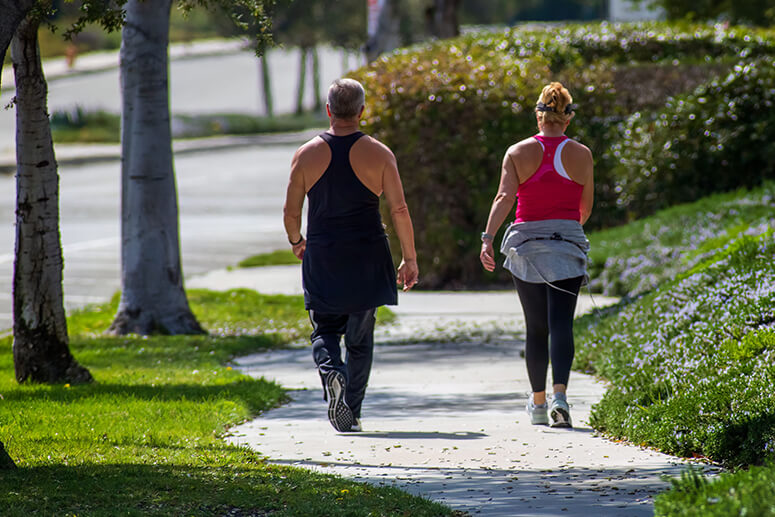
Walk after eating. A 10- to 15-minute walk after meals helps muscles soak up glucose. Our grandparents did this naturally. We can do it on purpose.
The bottom line
Rice is part of who we are. It is in our history, our fiestas, our prayers before meals, and our mothers’ kitchens. No column will ever, and should ever, take it away from the Filipino table.
But love, as every teleserye teaches us, requires wisdom.
If you have a family history of diabetes, are overweight, or have high blood pressure, ask your doctor to check your blood sugar. Do not wait for symptoms. By the time diabetes shouts, it has usually been whispering for years.
This World Diabetes Day, let us keep the romance with rice alive, just with smaller servings, better grains, and a little more walking.
After all, the best love stories are the ones that last a lifetime.

WATCH: Is Gen Z too soft? (Generations Ep. 23)
September 30, 2026
WATCH: Do you still believe in marriage? (Generations Ep. 17)
August 19, 2026
WATCH: Good parent ka ba? (Generations Ep. 28)
November 4, 2026