

What makes someone a good parent?
How do you know if you're doing a good job raising your child?
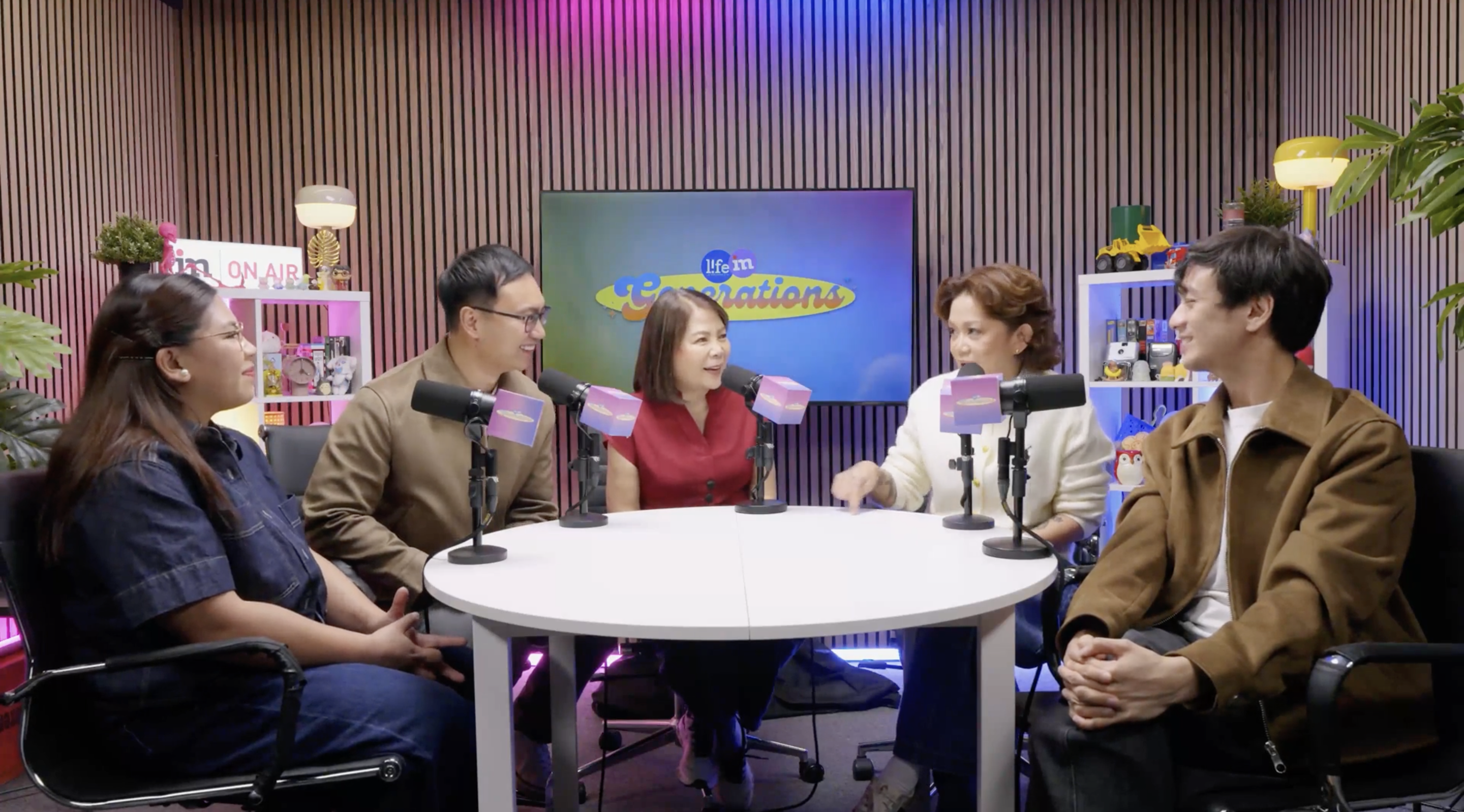
Different generations grew up with different parenting styles, from strict households to more permissive ones. With growing conversations around childhood trauma and healing the inner child, what does good parenting look like today? Is there a better parenting style that parents should follow? In the 28th episode of PhilSTAR L!fe's Generations podcast, veteran journalist Luchi Cruz-Valdes and content creators Raco Ruiz and Abi Marquez sat down with content creator-entrepreneur Alec Cuenca and actress-comedian Tuesday Vargas to unpack parenting.
Starting the conversation, Luchi, being the boomer in the group, said that becoming a good parent isn't something you can fully anticipate before having a child.
"You don't go through life dreaming that you would be a good parent; you just know that when you're expecting a child, that's when you start thinking about, 'Oh, I have to be a good parent,'" she said.
While she doesn't think that there are steps to becoming a good parent, one thing she knows is that one must "love them and be committed to them, and to give them a rightful place in your list of priorities."
CONTINUE READING BELOW

Alec, a Zillennial who recently welcomed his first child, admitted that there is pressure to become a certain kind of parent. However, seeing his newborn for the first time, he just thought, "Oh, I'm gonna love this person as much as I can," he said.
But how do parents show their love? For Tuesday, it's in the little, everyday things.
"Kasi if we think of love in the moments only na napaka grand, or napaka special, I think we'll be constantly looking for its definition," she said. For her, this means making time to talk with her son over breakfast every day, a routine they started when he was younger and have continued to this day.
"Ang definition ng love for me is availability and consideration," Tuesday said. She added that getting to know a child must come from curiosity, rather than judgment.
Raco, who grew up with a Gen X mom, shared that he realized that micromanaging may be an "ineffective" way to deal with kids.
"Kasi diyan sila mag-rerebelde eh. There will be a desire to disobey kung authority is too strict," he said. Personally, he's grateful for his parents who let him experience life and make mistakes rather than telling him what he could and couldn't do.
Alec, meanwhile, noted that being the "cool parent" requires making sacrifices and trusting children to experience things for themselves.
Luchi pointed out that parents can never fully predict their child's personality. Tuesday added that children change as they grow, with each decade bringing changes of their own, not to mention the ever-changing times.
"They'll have their own set of experiences that are not within your reach to comprehend, honestly," the veteran journalist said.
Is there a single 'right way' to be a parent?
While people come from different family backgrounds, is there really a "correct" parenting style to follow? Tuesday, who has a significant age gap with her sibling, shared how they were raised differently. She also acknowledged that her parents were learning as they went along, just as she was growing up.
"Dapat meron din tayong pagbibigay ng grace sa magulang natin, lalo na pag 'di pa nila alam 'yung ginagawa nila when we were young," the comedian said. "Wala pong manual ang parenting."
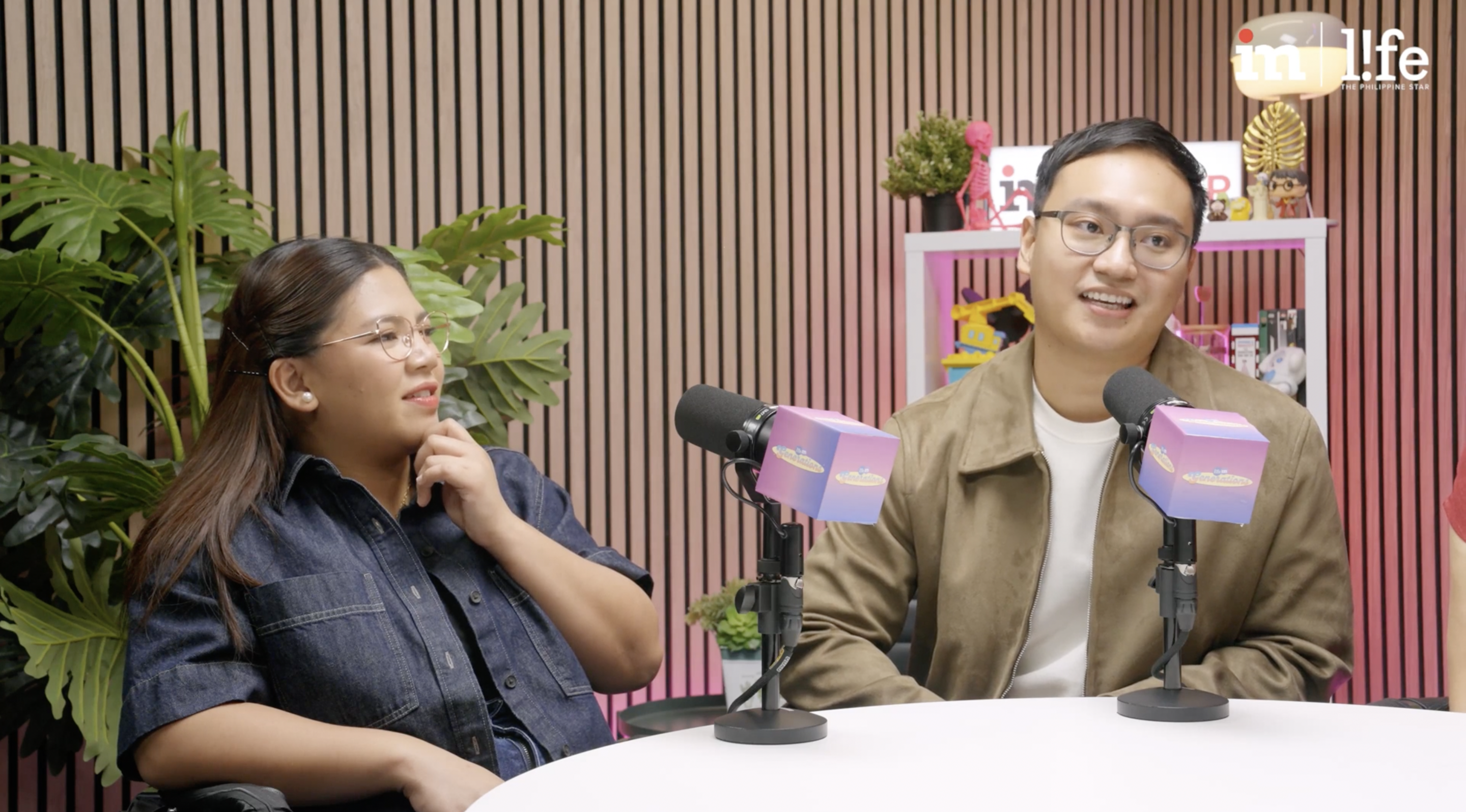
Abi pointed out that parenting styles are shaped by a family's circumstances and what parents can provide at a given time, rather than whether a child is the eldest, middle child, or youngest.
As parenting norms evolve, practices such as spanking as a form of discipline are increasingly frowned upon today. Abi, for her part, said that spanking made her more obedient as a child but acknowledged that it could create distance between parents and children. She added that children may become hesitant to open up to their parents during vulnerable moments out of fear.
Luchi shared that when she disciplined her children this way, she made sure to explain why they were being punished and emphasized that it should never be done out of anger. This, she said, helps children understand what they did wrong.
"It's very objective so they don't think, 'Mom doesn't love me,'" Luchi said.
Tuesday added that children may inherit more than just their parents' physical traits. They may also pick up their parents' attitudes, stories, and even traumas, which they may in turn mirror in how they raise their own children.
She likewise acknowledged that while her upbringing influenced how she parents, some things needed to change. She noted that her generation has learned to say sorry to their children, adding that what matters most is repairing the relationship after a disagreement.
Luchi agreed, saying, "Parents should humble themselves."
Should parents be friends with their kids?
The veteran journalist doesn't believe that parents should be friends with their children. For her, parents must maintain their authority, but it doesn't mean being unloving.
Tuesday, who has experienced being both a strict parent and a friend to her child, emphasized the importance of finding a balance between the two.
"Maybe we shouldn't be friends with them; maybe we should be allies with our children," the comedian said.
Tuesday also highlighted the importance of self-discovery and healing before becoming a parent, saying that people should first work on themselves to become more grounded individuals and, in turn, better parents.
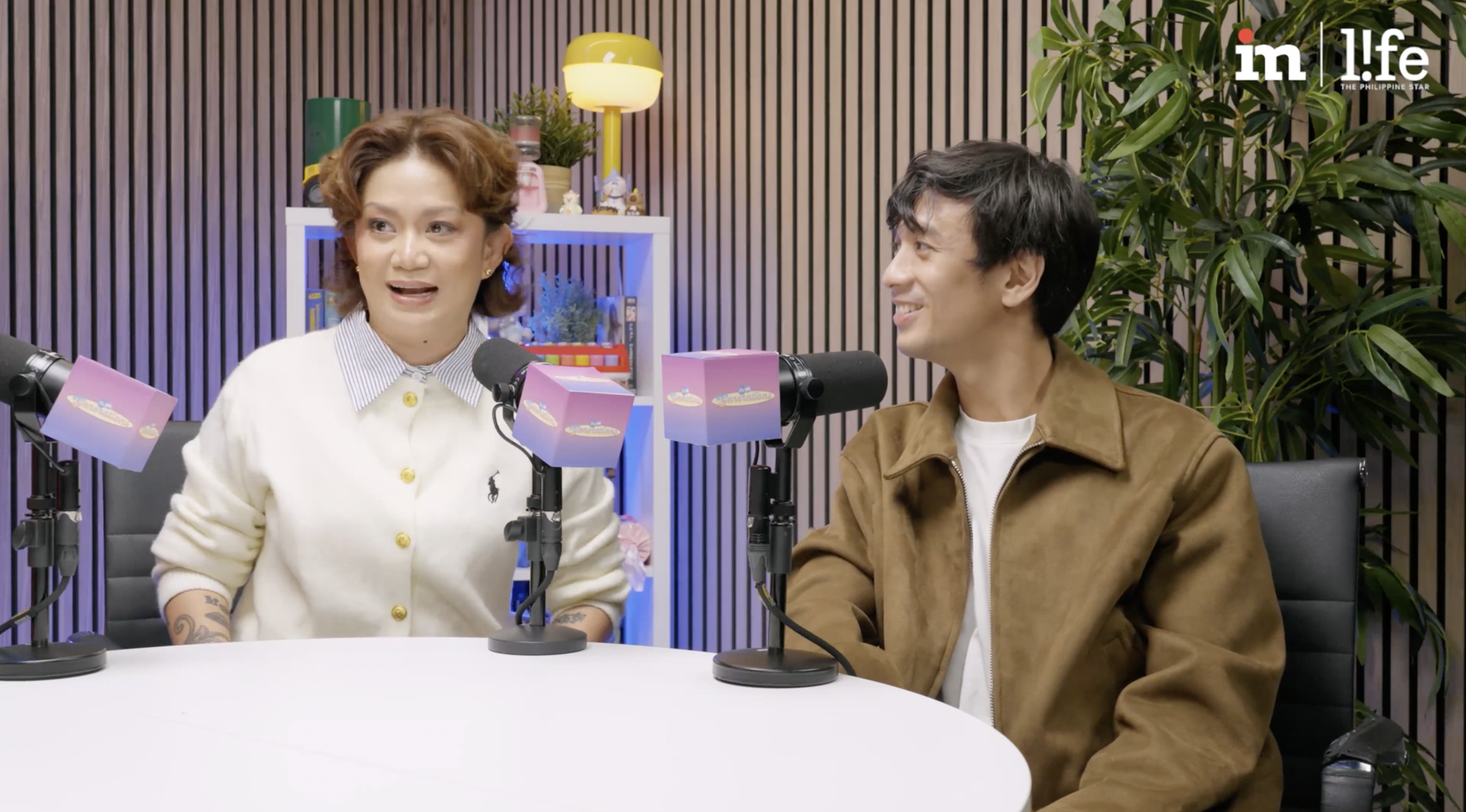
Luchi noted that some parents are afraid to set rules, but emphasized that boundaries are necessary for children to understand that their actions have consequences. Raco, meanwhile, added that parents should not also be afraid to hold their children accountable.
When it comes to guiding their adults, Tuesday said it's better for parents to be honest and straightforward rather than sugarcoat things.
"Lalabas sila sa mundo, hindi mo sila mapo-protektahan. All you have to do is rely on the foundations you set for them... and pray to God when they step out the door, they will use that in the best way they can," Tuesday said.
The group agreed that parents should lead by example when teaching their children. Luchi admitted that being a role model is one of the biggest challenges of parenting.
With the world being unpredictable, parents naturally worry about keeping their children safe. Despite these fears, Alec said he wants to teach his child to be resilient.
"Hindi ko sasabihin sa'yo na kaya mo lahat. May mga bagay na 'di ka kakayanin, but you have to pick yourself up," Alec said, sharing what he hopes to teach his child. Luchi, for her part, said one of her fears for her children is who they will choose as their spouses, hoping they find someone who will be faithful to them.
On the other hand, there may come a time when the roles are reversed, and children become responsible for caring for their aging parents. While this is a common expectation in Filipino families, Tuesday noted that it should not be automatic, especially for those who grew up in toxic households. She emphasized the importance of reconciliation before children take on the responsibility of caring for their parents, rather than forcing a “fake closeness” out of obligation.
When asked about what they want to leave to their children, Alec said he wants to be remembered as a present father.
"If maalala ako ng anak ko na 'Yeah, my dad was here. Every time I needed him, he was there,' I think I'll be so happy," Alec said, adding that he also wants his child to feel that he gave his everything.
For Luchi, she hopes her children remember her as someone who stood by them and remained true to her faith.
Tuesday, meanwhile, wants her child to remember her through kintsugi, a Japanese art of repairing broken pottery with gold, embracing imperfections and treating them as part of one's story.
"I want my child to remember that though my mom was deeply, deeply broken, she was a mom to me in all the sense of the word," she said. "Though she was very imperfect, I see the beauty in that imperfection, and ganun din ako sa anak ko every time he makes a mistake."
Watch the full episode below:
Follow PhilSTAR L!fe on YouTube and Spotify to catch new episodes of Generations.

WATCH: Is OPM still as good as it used to be? (Generations Ep. 20)
September 9, 2026
WATCH: Is Philippine cinema still thriving? (Generations Ep. 19)
September 2, 2026