

A toast to good health?
Few beverages inspire as much debate as alcohol. One study seems to praise a glass of wine for the heart, while another warns that no amount is entirely risk-free.
Between wedding toasts, holiday celebrations, business dinners, and weekend gatherings, alcohol occupies an enduring place in many cultures, including our own. But what does modern medical evidence actually tell us? The answer, like a well-aged wine, is more nuanced than many headlines suggest.
Few health topics generate as much confusion as alcohol. For years, many of us heard that a glass of red wine protected the heart. Then came headlines declaring that no amount of alcohol is truly safe.

Patients understandably ask, “So, Doctor... which is it?”
The evolving science of alcohol
The honest answer is that medical science has evolved. Earlier observational studies suggested that people who consumed small amounts of alcohol appeared to have fewer heart attacks than those who abstained completely.
Those findings were widely publicized. Wine sales flourished. Many people happily concluded that happy hour had become preventive cardiology.
CONTINUE READING BELOW

Science, however, has a habit of asking uncomfortable questions. Researchers later noticed an important problem. Moderate drinkers often differed from non-drinkers in many ways unrelated to alcohol itself. They frequently had higher incomes, healthier diets, better access to healthcare, stronger social networks, and more active lifestyles.

Perhaps they were healthier not because they drank wine. Perhaps they drank wine because they were already healthier.
When newer studies accounted for many of these differences, the protective effect became considerably smaller and, in some cases, disappeared altogether. At the same time, evidence linking alcohol to several cancers—including cancers of the breast, liver, esophagus, mouth and colon—became increasingly convincing.
This does not mean every person who enjoys an occasional drink will develop cancer. Far from it. Risk is influenced by many factors, including genetics, lifestyle, quantity consumed and duration of exposure. But it does mean we should stop thinking of alcohol as a health supplement.
No physician should prescribe wine the way we prescribe blood pressure medication. That said, alcohol is not identical for every individual. For someone who rarely drinks, there is no compelling medical reason to begin for health purposes.
For someone who occasionally enjoys a glass of wine with dinner, current evidence does not necessarily demand complete abstinence. The key issue is moderation. Unfortunately, moderation has an interesting way of changing definitions. Many people describe themselves as “social drinkers.” Some simply have extraordinarily social calendars.
Risks of alcohol in excess
Excessive alcohol consumption carries well-established risks. The liver may suffer. Blood pressure rises. Heart rhythm disturbances become more common, particularly atrial fibrillation. Weight increases because alcohol contains calories that many people never count. Sleep quality deteriorates despite alcohol’s initial sedative effects.
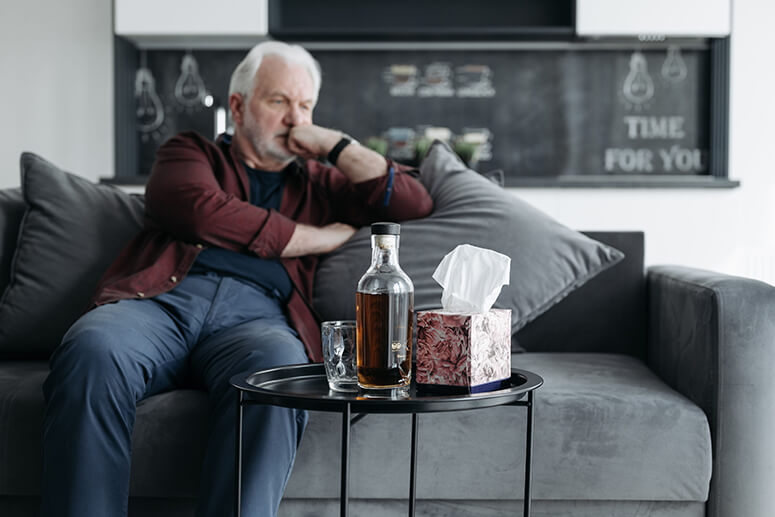
Judgment becomes impaired. Motor vehicle accidents, falls, violence, and injuries increase dramatically.
The greatest harm from alcohol often occurs not inside the liver but outside it. Broken families. Broken relationships. Broken promises. Broken lives. As physicians, we frequently witness consequences that never appear on nutrition labels.
Misconceptions and binge drinking
There is another misconception worth correcting. Many people believe alcohol helps them sleep. Technically, it helps some people fall asleep more quickly. But sleep is not merely about falling asleep. It is about staying asleep and obtaining restorative sleep.
Alcohol fragments normal sleep architecture, increasing nighttime awakenings and reducing overall sleep quality. People may spend eight hours in bed and awaken feeling surprisingly unrefreshed. The body was asleep. The brain never fully rested.
One area that deserves special attention is binge drinking. The body tolerates one standard drink very differently from five consumed over a short period. Sudden large quantities of alcohol dramatically increase the risks of accidents, alcohol poisoning, dangerous heart rhythm disturbances, injuries and poor decision-making. Young adults are particularly vulnerable.
As a cardiologist, I am occasionally asked whether whisky is healthier than beer, whether wine is superior to spirits, or whether expensive alcohol is somehow safer than inexpensive alcohol.
My answer usually disappoints everyone. Your liver does not recognize brand names. Your heart does not know whether the alcohol came from Bordeaux, Scotland, Japan, or a neighborhood convenience store.
What matters most is the amount of ethanol reaching the body. The beverage changes. The molecule remains remarkably similar.
Why do we drink?
Perhaps the most important question, however, is not what we drink. It is why we drink. Some people enjoy alcohol as part of celebrations and social gatherings. Others quietly use it to manage loneliness, chronic stress, anxiety, or emotional pain. These situations are very different.
Alcohol may temporarily numb difficult emotions. It rarely solves the problems producing them. Sometimes the healthiest conversation is not about drinking less. It is about suffering less.
Medicine teaches us that health is seldom determined by one food or one beverage. It emerges from the cumulative effect of countless daily choices such as exercise, nutrition, sleep, relationships, purpose, stress management, avoiding tobacco and controlling blood pressure. These influence longevity far more than whether someone occasionally enjoys a glass of wine.
So should you raise a toast at your daughter’s wedding? Celebrate a milestone birthday? Share champagne on New Year’s Eve? Most people probably will.
Life contains moments worth celebrating. Just remember that alcohol should accompany the celebration. It should never become the reason for it.
At the end of the day, the healthiest toast may not be “Cheers.”
It may simply be this:
To good judgment.
Because in medicine, as in life, moderation never goes out of style.
