The thirst that never quenches: Why alcoholism runs in families
Every Filipino family seems to have that uncle, cousin, or father who drinks too much. For some, alcohol is a nightly escape; for others, a weekend ritual turned addiction. The tragedy deepens when the next generation repeats the pattern—when a son grows up resenting his father’s drinking, only to find himself clutching the same bottle decades later.
Alcoholism, or alcohol use disorder, is one of the most insidious hereditary and social conditions. It doesn’t just affect one person—it ripples across generations. Children of heavy drinkers often grow up either fearing alcohol or falling into the same trap. Is this destiny written in DNA, or a learned behavior from childhood trauma? And most importantly, can the cycle be broken?
Genes may load the gun, but environment pulls the trigger — and faith, love, and self-awareness can disarm it.
Studies show that children of alcoholics are four times more likely to develop alcoholism themselves. Yet many of them swear they never would. Is it biology or upbringing—nature or nurture? The answer is: both.
The genetic imprint: Biology’s hidden hand
Science confirms that genetics account for about 50–60 percent of a person’s risk for developing alcoholism. Large-scale twin and adoption studies—including those by the National Institute on Alcohol Abuse and Alcoholism—reveal that even when raised apart, children of alcoholic parents are more prone to alcohol dependence than those without a family history.
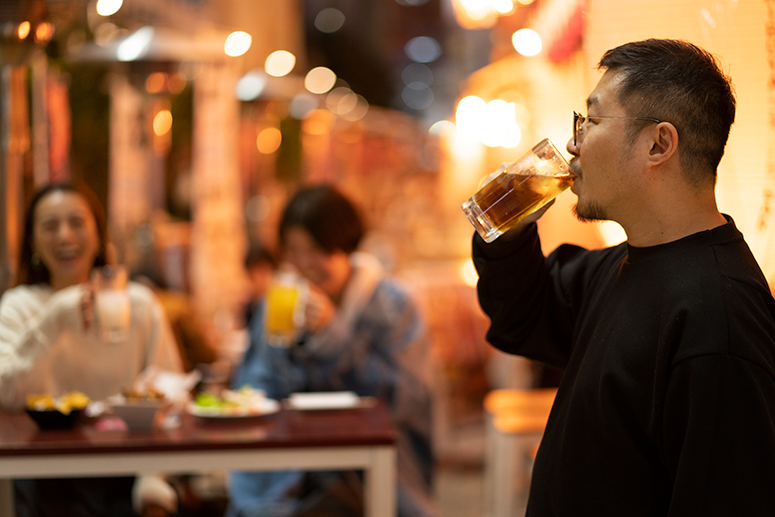
Researchers have identified variations in genes related to:
Alcohol metabolism. People with slower alcohol-metabolizing enzymes often experience stronger unpleasant effects (flushing, nausea) and tend to drink less—common in many East Asians. Those without this genetic “protection” can tolerate more, increasing addiction risk.
CONTINUE READING BELOW

Brain reward pathways. Variants in some human genes affect how dopamine and endorphins are released when drinking. For some, alcohol produces a stronger sense of pleasure and stress relief—making it harder to stop.
Stress and impulsivity genes. Genetic differences in serotonin and cortisol regulation may predispose individuals to anxiety or impulsive coping —conditions where alcohol becomes a quick, but dangerous, fix.
So yes, alcoholism can run in your blood—but it does not have to run your life.
The environment: The child who watches and learns
If biology lays the foundation, environment builds the walls.
Children who grow up watching parents or relatives drink heavily absorb powerful emotional lessons long before they can reason them out. A father who drinks to “forget problems” teaches his son that alcohol equals escape. A mother who tolerates or enables it teaches her daughter that chaos is normal. A child who sees violence, shame or neglect associated with drinking learns that love must be endured, not enjoyed.
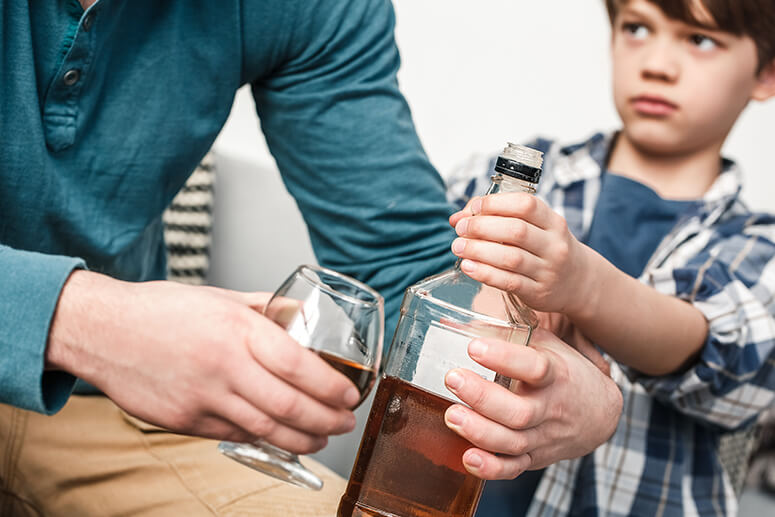
Psychologists describe this as intergenerational modeling—where behavior becomes “inherited” through observation, imitation, and normalization. Children internalize that a home is incomplete without alcohol. As adults, they may unconsciously recreate that same environment, even while hating it.
Moreover, chronic exposure to parental drinking rewires stress responses. The child’s nervous system becomes hypervigilant, primed for anxiety. Later, alcohol may offer brief relief from that constant tension, reinforcing dependency.
The social web: Peer pressure and cultural scripts
The Philippines, like many societies, has a deep drinking culture. From fiestas to funerals, success to sorrow, alcohol is a ritual of bonding. “Tagay” is seen as hospitality, not harm. Declining a drink can even be labeled suplado or “killjoy.”
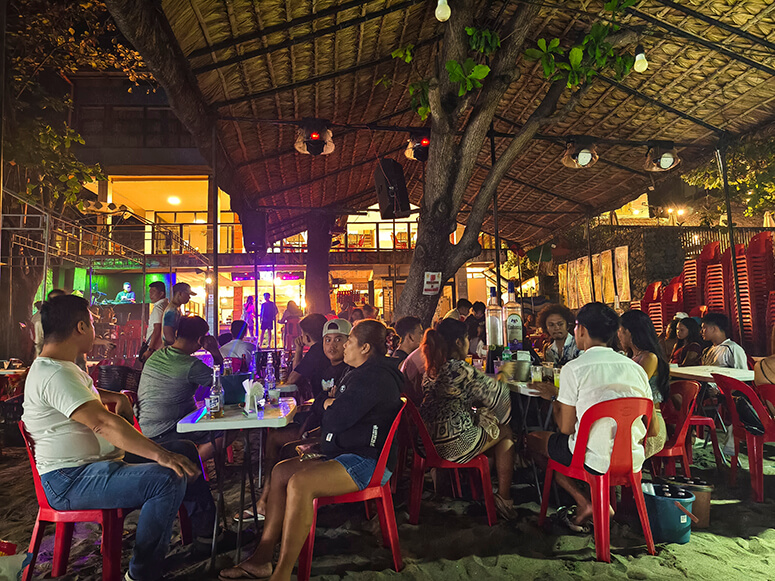
In such an environment, a teenager predisposed to addiction is not only unprotected—they are encouraged. Our society’s casual relationship with alcohol hides the fact that around 4 million Filipinos struggle with alcohol use disorder, and liver disease remains a leading cause of death among men in their 40s and 50s.
Social media further romanticizes drinking as liberation—sunsets, beaches, beer. Few posts show the vomiting, aggression, or loneliness that often follow.
The emotional wounds: Trauma and unresolved pain
Beneath every addiction is an ache. Many who abuse alcohol are not chasing pleasure; they are escaping pain.
Children of alcoholics often carry Adverse Childhood Experiences—neglect, verbal abuse, financial instability, and domestic violence. These shape adult behavior, increasing the risk not only of addiction but also anxiety, depression, and relationship instability.

Alcohol numbs, but only temporarily. Over time, it amplifies the very emptiness it sought to silence.
Neuroscientists have shown that chronic alcohol use hijacks the brain’s reward system, shrinking the prefrontal cortex (responsible for judgment and self-control) and hyperactivating the amygdala (fear and stress center). The result is a trapped cycle: one drinks to relieve stress; stress worsens; one drinks again—and so on.
Breaking the chain: From curse to calling
The good news: family patterns can be rewritten. The “generational curse” of alcoholism is not destiny. It is a disease — and diseases can be treated.
Here are evidence-based and faith-anchored ways to break free:
Acknowledge, not deny. The first step to healing is naming the wound. Families that hide behind denial perpetuate silence. Parents in recovery who share their journey with honesty often give children the gift of awareness and caution.

Seek professional help. Addiction medicine and psychotherapy are essential. Treatments such as Cognitive Behavioral Therapy, Motivational Interviewing, and support groups like Alcoholics Anonymous (AA) have proven efficacy. Some require medical detoxification under supervision—a matter of safety, not willpower.
Heal the family, not just the drinker. Addiction thrives in dysfunction. Family therapy helps address enabling, resentment, and unspoken trauma. Children of alcoholics benefit from counseling and support networks (like Al-Anon Family Groups), where they learn it’s not their fault.
Replace emptiness with purpose. Spiritual renewal is a powerful antidote. Many who recover find their strength in faith communities that offer both accountability and unconditional acceptance. Communities such as Project Grow Makati and Overflow Ortigas—the same small Sabbath fellowships helping youth with mental health struggles—have also welcomed recovering addicts, guiding them back to God’s embrace. In worship and fellowship, they discover that grace is greater than guilt.
“Therefore, if anyone is in Christ, he is a new creation; the old has gone, the new has come.” (2 Corinthians 5:17)
Create a new family narrative. Every generation gets to decide: Does the story end in addiction—or redemption? Children raised by sober, honest, faith-anchored parents often become the generation that stops the curse.
Hope beyond the bottle
Genes may tilt the odds, and upbringing may fuel the fire—but hope rewrites biology. Neuroplasticity proves the brain can heal; faith proves the spirit can rise. With therapy, community, and divine grace, even those born in the shadow of addiction can walk in the light of freedom.
If your family has wrestled with alcohol, do not despair. The past is not prophecy. The cycle can end with you.
And when that happens, the thirst that once destroyed generations becomes transformed—into a thirst for life, purpose, and God Himself.
Helplines and support
Department of Health – ADAC (Alcohol and Drug Abuse Center): (02) 8929-8390
Alcoholics Anonymous Philippines: 0917-800-6582
Faith-based support: Project Grow Makati and Overflow Ortigas (Sabbath worship and recovery fellowship, Saturdays 10:30 a.m.–4 p.m.; see Facebook pages for venue updates)