

Why do I always feel like someone’s watching me?

Every week, PhilSTAR L!fe explores issues and topics from the perspectives of different age groups, encouraging healthy but meaningful conversations on why they matter. This is Generations by our Gen Z columnist Angel Martinez.
Every time I hear of a new Instagram update, I pray that the app finally arranges my feed in chronological order or reduces the ridiculous number of ads on the platform. But their latest release, Instagram Plus, consists mainly of features focused on stalking. For a measly monthly price, we can now hide ourselves from others’ viewer lists or see who rewatched our Stories. Thrilling!
This just goes to show how embedded surveillance is in today’s society, and how it’s spawned a rather Orwellian way of living. As we surrender our personal data to Big Tech companies in exchange for their services, we allow this behavior to trickle down to our daily interactions: from couples tracking each other’s locations, to companies monitoring the pages we visit during office hours.
It’s a dystopian development facilitated by digital advancements: high-quality CCTV footage, stealthy smartphone use in public, and the proliferation of burner accounts. We might not register as a cause for alarm, because we enjoy and perhaps also benefit from it. I mean, I’d be lying if I said snooping around didn’t satisfy the Marites in me. Don’t we tend to take advantage of the unprecedented access the internet grants us to anybody’s life, regardless of whether or not they’re in ours?

However, what starts as harmless stalking can lead to a violation of privacy, when we start mining fleeting moments involving total strangers for content. I’m alarmed by how normal it’s become to see a fellow imperfect human being screw up publicly, whip out our phones, and point our cameras in their direction to render their mistakes permanent. Aren’t we allowed to be stupid, weird, or cringey anymore? Does every single action have to be subjected to some trial by publicity?
CONTINUE READING BELOW

Even worse, if what they’ve done is scandalous by our standards, some of us go as far as doxxing their personal details, sending a hive mind of haters their way, and involving their employers with the intention of getting them fired.
Don’t get me wrong: There are times these online citizen’s arrests are necessary, like when we see someone using their influence to publicly berate others. But we’ve lost the ability to discern which issues are best resolved by the parties involved. Not all arguments or controversial actions need to be seen by outsiders who might not always have the necessary grace or empathy.
This very valid fear of being watched, taken out of context, and turned into viral content is rooted in a psychological phenomenon known as evaluation apprehension. “On social media, that surveillance has become permanent, ambient, and lateral. Because what gets posted on the internet stays online forever and can be dug up out of context years later, it creates a psychological environment of hypervigilance or paranoia,” psychologist Dr. Jan Patrick Magpantay tells PhilSTAR L!fe.
He also alludes to something called the chilling effect: “the invisible hand of conformity, [when people] quietly self-censor, and suppress their quirky, unfinished, or complex thoughts to fit the safe and predictable norms of the digital crowd.”
Just yesterday, my friends and I were at Annex House, bringing up shared experiences with mean people and mentioning identifying details in the process. When we were on our way out, we noticed how the place had fallen silent without the buzz of our conversation. That’s when we reminded one another that a single viral TikTok or Facebook post pertaining to us could actually strip us of our careers, even if we had real reasons for what we felt. (Next time, I’ll start inviting them up to my apartment, where no one can hear us or see us.)
You might have experienced the same kind of dread after a drunken night out, or your first time meeting a new group of people. Crazy, right? As if this course of action is always proportionate to the crime committed. In fact, there’s nothing criminal about girls chit-chatting or catching up.
Unfortunately, a lot of us on social media are on the lookout for the next deviant to discipline. These witch hunts are known to intensify during times of turmoil: with rising gas prices, an incompetent government, and an international war threatening our future, most of us turn to online outrage to regain some semblance of power. Although actual lives are in the balance, the act of self-righteousness is what reigns supreme. It’s the way the online sphere works.
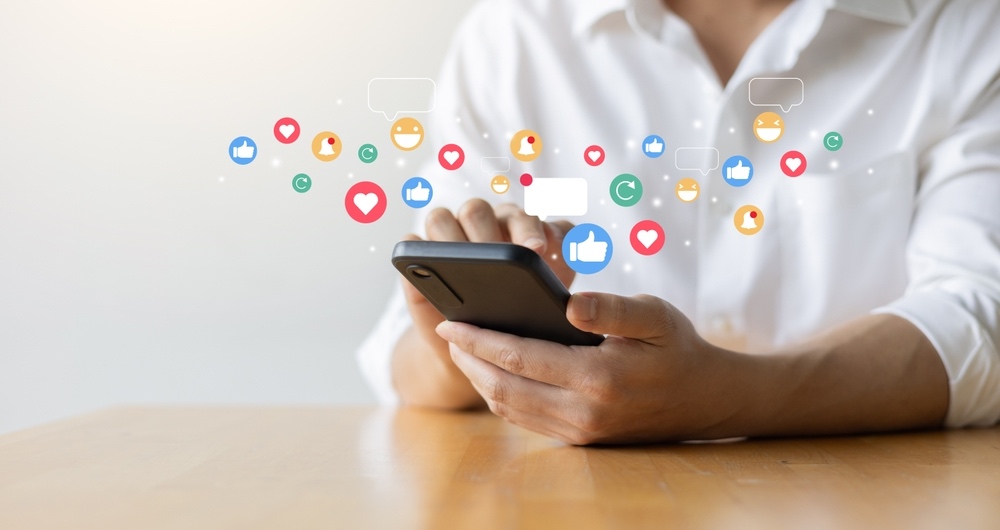
Opting out of social media, however, is a counterproductive and unrealistic expectation to impose on anybody. But I think we can all contribute to changing the culture there by knowing the difference between an active threat to society versus an annoying, unlikeable person that we can just leave alone. “Surveillance culture conditions us to believe that an experience or opinion is only real if it is witnessed and validated by the collective likes of the internet,” Magpantay explains. “But we have to practice keeping certain things to ourselves.”
If we really can’t resist posting about what we’ve witnessed, we could be cautious enough to blur out any identifying details and focus on the lesson to be learned, rather than the person at the center. No need to destroy anybody’s lives, unless they’re maybe a documented child predator or a corrupt nepo baby.
And as for us, who post our lives and unwittingly offer ourselves up for public scrutiny, I’d suggest that we all continue living as usual. “True authenticity flourishes in smaller, safer containers, after all,” Magpantay asserts. He adds that reclaiming our digital boundaries might look like “utilizing close friends list, tightening privacy settings, or choosing platforms that don’t emphasize public metrics.”
Mindset-wise, it pays to remember that someone will dislike us no matter what we do for factors largely out of our control, as trite as it sounds. But what’s the point of living life to appease an invisible audience? I’d much rather please those who watch what I do for the sake of cheering me on.
Generations by Angel Martinez appears weekly at PhilSTAR L!fe.

WATCH: Is Philippine cinema still thriving? (Generations Ep. 19)
September 2, 2026
WATCH: Is OPM still as good as it used to be? (Generations Ep. 20)
September 9, 2026
WATCH: Can you still trust someone who betrayed you? (Generations Ep. 22)
September 23, 2026