

Do you really have to pay your 'utang na loob'?
Do you have "utang na loob" that doesn't seem to end?
While utang na loob can be a way of expressing appreciation and gratitude, it can also become a trap. In the 16th episode of PhilSTAR L!fe's Generations podcast, veteran journalist Luchi Cruz-Valdes, Gen Z columnist Angel Martinez, millennial content creator Raco Ruiz, and Gen X actor Jericho Rosales talked about utang na loob within families, personal and professional relationships, and even politics, when it becomes good and bad, and why this culture has to stop.
Long before he became one of the country's most celebrated actors, Jericho was already working to support himself and his family. As early as 11 years old, he quit high school to take on various jobs—from selling fish in the market to collecting scrap metal, newspapers, and bottles. He then worked as a pizza delivery boy and later became a driver.
His parents had separated, and he saw firsthand the struggles his mother faced while raising their family. "Mama was really struggling at that time because we didn’t have money. I said, 'Okay, this is the way I would help my mom,'" he recalled.
But Jericho said his motivation was not solely rooted in sacrifice, adding it was also him "being adventurous and seeking a sense of autonomy." Not all of his earnings went to household expenses—he shared that part of his pay went to buying toys for himself.
The actor shared how he views utang na loob through the lens of pre-colonial Filipino values, particularly the concept of kapwa or shared identity.
CONTINUE READING BELOW

"Mine is from the real Filipino… the natural reaction for kindness. My mom loves me, I love my mom, and I will do this out of love. There’s no resentment," he stressed. For him, helping your loved ones should stem from genuine care rather than obligation.
He acknowledged, however, that constantly caring for others can be exhausting.
"There was a time that I got so tired. Of course, you’ll get this parang exhaustion, and you reach a point where you get tired of taking care of people. And that’s a natural thing. Let’s just call it 'panganay burnout.' It happened to me, but it’s because it’s my choice," he said.

Reflecting on why he continued to shoulder responsibilities, the actor said it led him to examine his own motivations.
"It’s more of why I keep doing this. I have spent a lot of years trying to understand myself. There’s a search for self-worth, self-identity, 'Do I have a hero complex?'" he shared.
Luchi, who has three children with her late husband Lito Valdes, believes that utang na loob "should not be obligatory; it should not be forced."
"I’m not going to require it of my kids, but it would be great if they remember that somehow I had a big role to play in their lives. If, by any chance, they express it by giving, why not?" she said.
Utang na loob and resentment
In professional settings, utang na loob can become a double-edged sword. While gratitude can strengthen relationships, feeling perpetually indebted to a mentor, employer, or colleague may hinder personal and career growth.
When asked whether he has utang na loob to some people who helped him with his career, Jericho stressed that gratitude should not be confused with obligation. “My thank yous are filled with sincerity. If I say thank you, it means it’s from the bottom of my heart,” he said. “The definition of utang na loob and gratitude are two different things. Utang na loob is the evil twin of gratitude."
Raco echoed this, noting that supportive mentors do not weaponize the help they give. “If you do have that person who helped you out, I think it’s such a green flag when they don’t weaponize it. If you try to leave and you admit that I feel like I’m not growing here, they’ll be like, ‘Go, I will help you grow elsewhere.’”
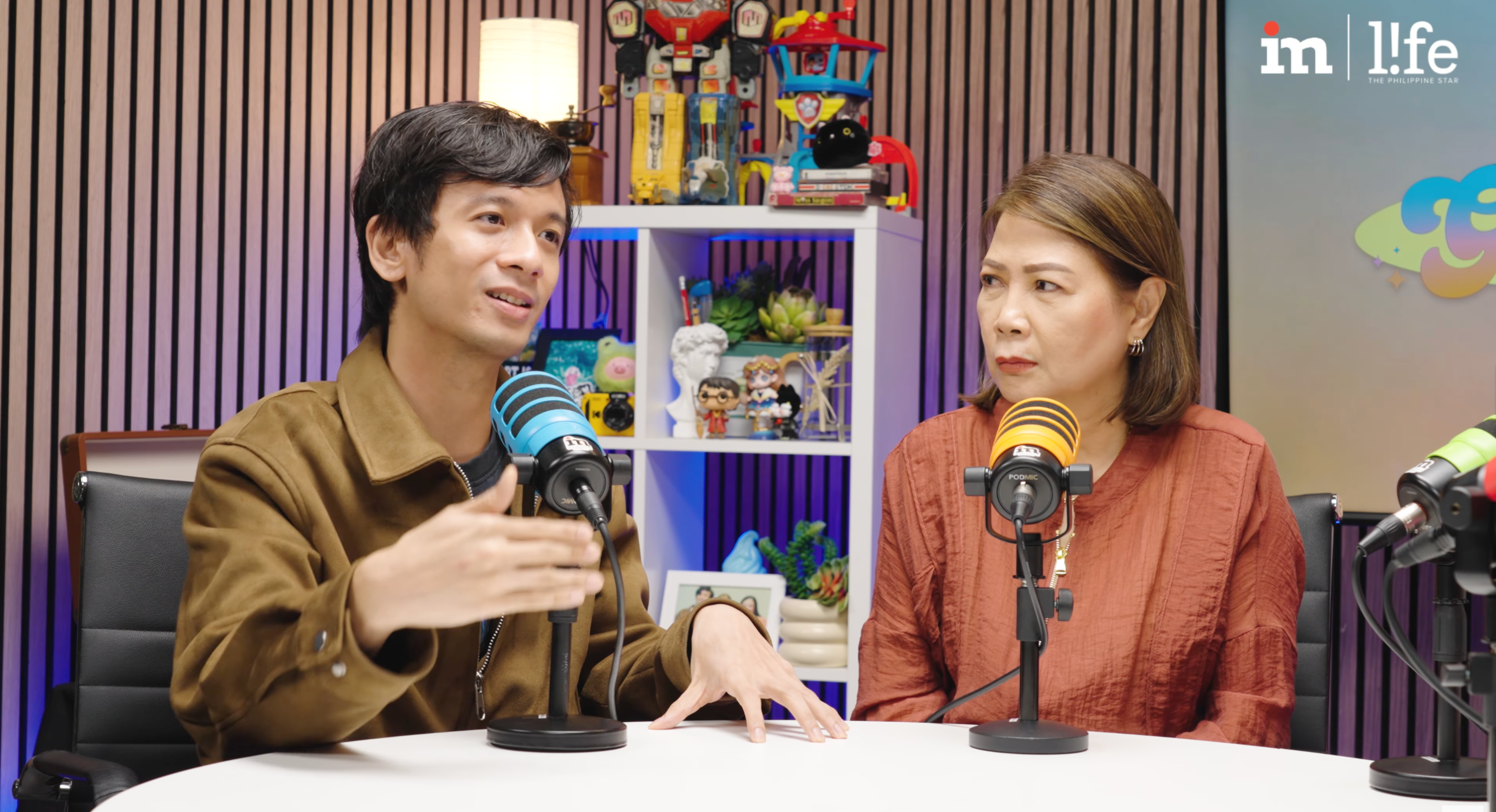
The group also talked about how utang na loob can trap people in jobs and other professional relationships long after they have stopped serving them. “The mindset kind of keeps you from looking at the red flags or seeing when it’s really incompatible na,” said Angel. “It doesn't seem like a sustainable way to live.”
Rosales added that this thinking may be rooted in fear of being judged by others.
“We’re trapped in that question because we always think of ourselves. We’re so conscious about ourselves,” he said. “It’s the narrative in your head, you’re judging yourself by making the choice to have a better life, to be a better creative… to explore the world by saying goodbye.”
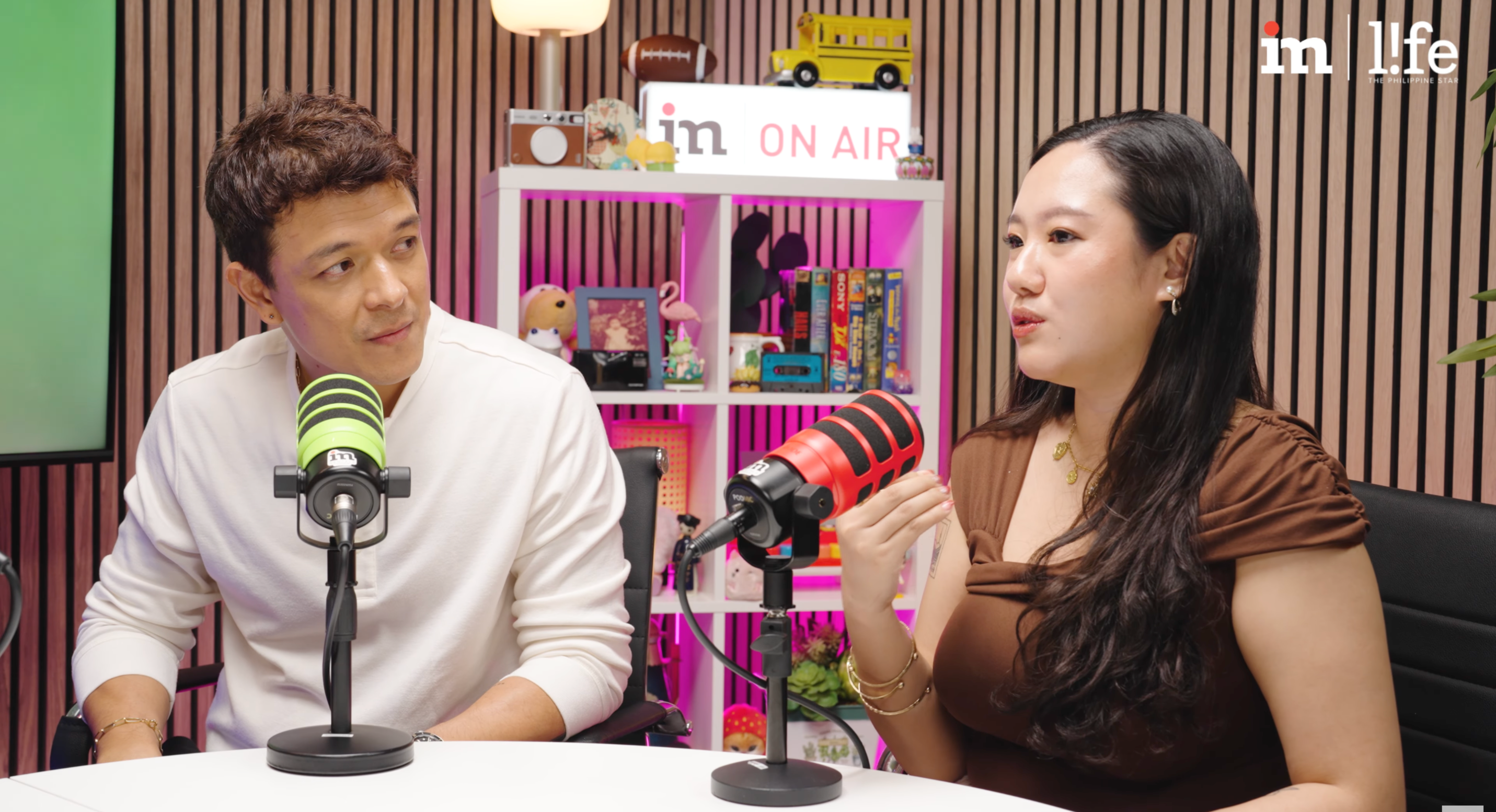
Angel added that constantly prioritizing other people's expectations can come at the expense of one's own growth.
Beyond limiting opportunities, the culture of indebtedness can eventually breed resentment. “You will just walk around having a gigantic amount of resentment. Utang ka nang utang na loob, nagagalit ka sa kanila, nagagalit ka rin sa sarili mo, nabubwisit ka na sa sarili mo,” Jericho said. “It’s really a trap. It is to place us here, smaller—self-worth, your value is so small because 'without these guys, wala tayo.'”
But utang na loob is not entirely harmful. "Anthropologically speaking, utang na loob works best when it strengthens relationships rather than trapping people inside relationships," social anthropologist Neen Sapalo-Chan said in a video message. "Ideally, it should create solidarity, generosity, and not fear or resentment, and I think many Filipinos know this intuitively—we can feel the difference between care that is given freely, with openness, and care that comes with invisible conditions and strings attached."
Utang na loob in politics
Political scientist Cleve Arguelles explained that many Filipinos encounter utang na loob when seeking help from politicians, like cash assistance for school, food, or the funeral of a loved one. According to him, receiving assistance can create a sense of obligation that translates into political support.
Luchi pointed out that for many struggling Filipinos, utang na loob can feel less like a choice and more like a necessity. “It’s easy for us to say wala na dapat utang na loob because we really don’t need utang na loob from anyone,” she said. “But when you’re poor, and you will need help, you will need to learn to view utang na loob as a necessity.”
Jericho, however, stressed that citizens should not feel indebted for services funded by taxpayers. “Sa tingin ko, ang dapat malaman ng mga tao is that wala tayo dapat utang na loob sa gobyerno,” he said. “Hindi natin sila niluluklok para maging panginoon natin at tagapagbigay dahil ‘yung pera na hinahawakan nila, pera ng taumbayan ‘yun.”
Raco and Angel echoed this, with the latter adding that some politicians seem to benefit from keeping citizens dependent by “keeping us as helpless and as reliant on them as possible so they can keep this system running. And we have this manufactured sense of loyalty na will keep them in power for generations.”
Cleve warned that the problem becomes more pronounced when political dynasties control both economic and government resources.
“There’s a wealth of concentration of economic power doon sa iisang pamilya na ‘yun. And yet they have state resources,” the political scientist said. “There’s no way that you will be able to repay that utang na loob. And that’s how you get stuck in this relationship with them, na meron ka nang utang na loob permanently.”
“Because there’s never going to be a chance that you will be fully able to repay that utang na loob. The political family has this loyal base, if not coerced base na trapped in this cycle of utang na loob," he explained.
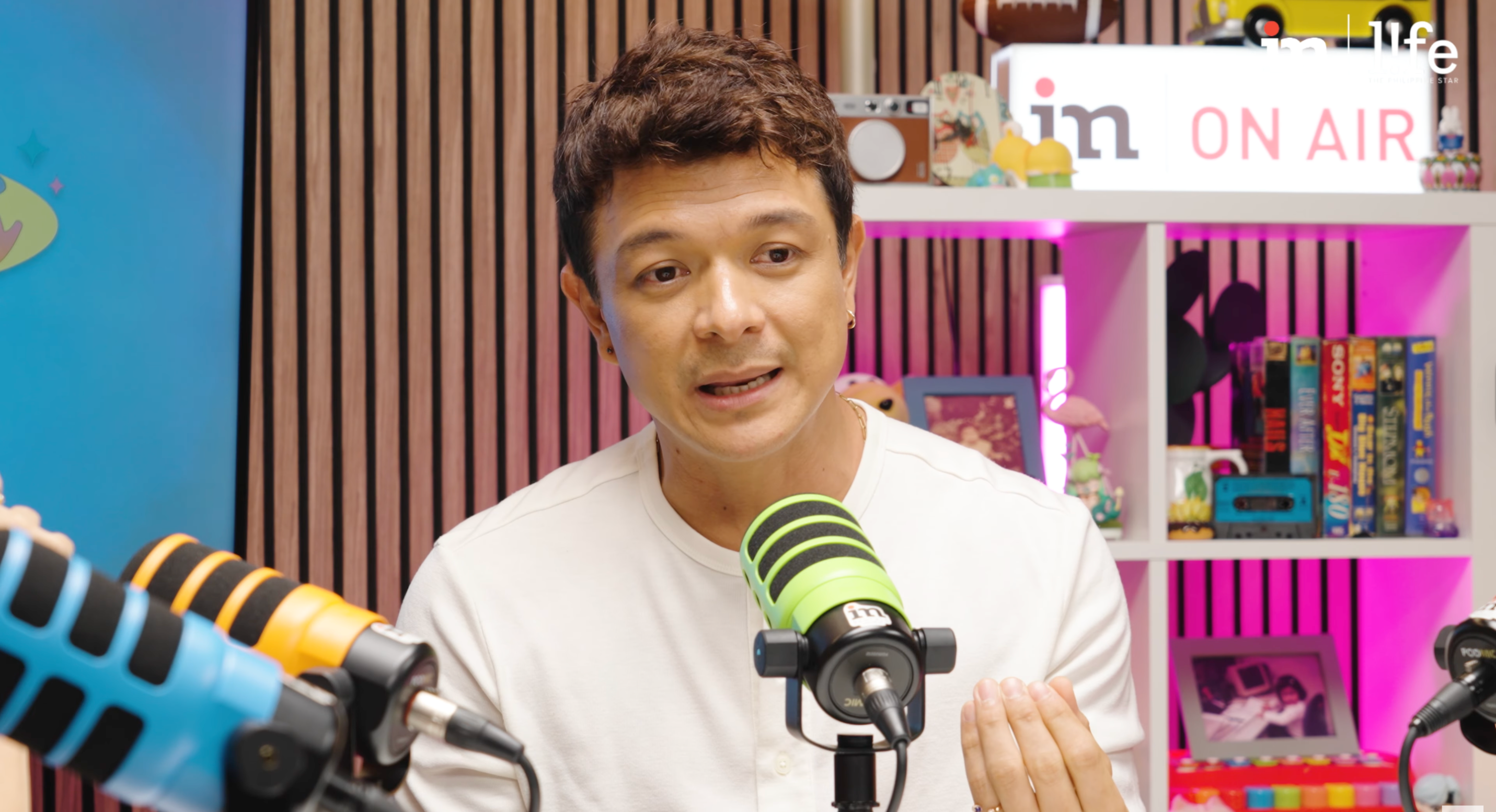
Jericho urged Filipinos to recognize their inherent worth and rights as citizens. “Kailangan talaga maintindihan ng bawat isa na may halaga tayo,” he said.
“Dapat burahin niyo na ‘yung utang na loob. Hindi na uso ‘yung utang na loob kasi ang unang pinaggalingan niyan, natural na pag-responde sa kabaitan ng tao," he added.
Luchi underscored where government funds come from in the first place. “Galing ‘yan sa pagod niyo, ke nagtinda kayo ng isda, nag-drive kayo, executive kayo, it doesn’t matter. Pera niyo ‘yan, at binabalik dapat sa tao ‘yan.”
Asked whether utang na loob can ever be fully settled, Rosales drew a distinction between indebtedness and genuine care. “It’s never over. But my love for my parents, my colleagues, and my job will never end. But utang na loob should end.”
Watch the full episode below.
Follow PhilSTAR L!fe on YouTube and Spotify to catch new episodes of Generations.

WATCH: Can you still trust someone who betrayed you? (Generations Ep. 22)
September 23, 2026
WATCH: Is Gen Z too soft? (Generations Ep. 23)
September 30, 2026