

Should you always choose to forgive?
Do you forgive even when it's hard? What do you do after—forget or remember?
In the 15th episode of PhilSTAR L!fe's Generations podcast, veteran journalist Luchi Cruz-Valdes, Gen Z columnist Angel Martinez, and millennial content creator Raco Ruiz talked to actress Camille Prats and beauty queen-host Nicole Cordoves about the complexities of forgiving others, and how certain factors—such as religion, culture, and values—can affect one's decision to do so.
Dealing with forgiveness
Diving deep into forgiveness, Luchi shared how she "forgave out of a sense of moral obligation."
"Lumaki kaming simbahan eh. Sabi ‘di ba, forgive, as if you have been forgiven,” she said, admitting that even after forgiving someone, it's possible to still be left with some lingering hurt.
For Camille, forgiving is always a conscious choice.
CONTINUE READING BELOW

"Most of the time, it’s not because we feel like forgiving because in our nature, hindi tayo magpapatawad eh," she pointed out. "We always see what other people did wrong, but we never see what we do wrong. So when we magnify on the mistakes of other people and the hurt that they’ve done towards us, dun din pumapasok ‘yung sense of entitlement, of pride."
"And as you choose to forgive, you eventually process it in your heart [for healing]," she added.

Raco noted that with access to the internet and therapy, he's able to process his emotions deeply and find a middle ground where he can communicate and feel his feelings before forgiving someone who wronged him.
For her part, Angel pointed out that Gen Zs seem to be more inclined to seek closure and accountability. “Closure, accountability, like, set boundaries—we’re very strict about that," she said.
Forgiveness within the family
When asked when forgiveness is given for the sake of peace, Nicole said it's when she comes into conflict with a family member.
The host then recalled a moment when her bottled-up grudge surfaced while she was internalizing for an acting role. “I thought I forgave them na. The hurt is there, but whenever you see them, you just have love, you extend that kind of grace to them. Pero, there will always be times in your life, because we go through certain seasons in our lives that will force us to confront another dimension of ourselves," she said.
For Nicole, forgiveness is ultimately about letting go of control—wishing the other person well, accepting that you cannot shape their life, and allowing the both of you to move forward wherever life takes you.
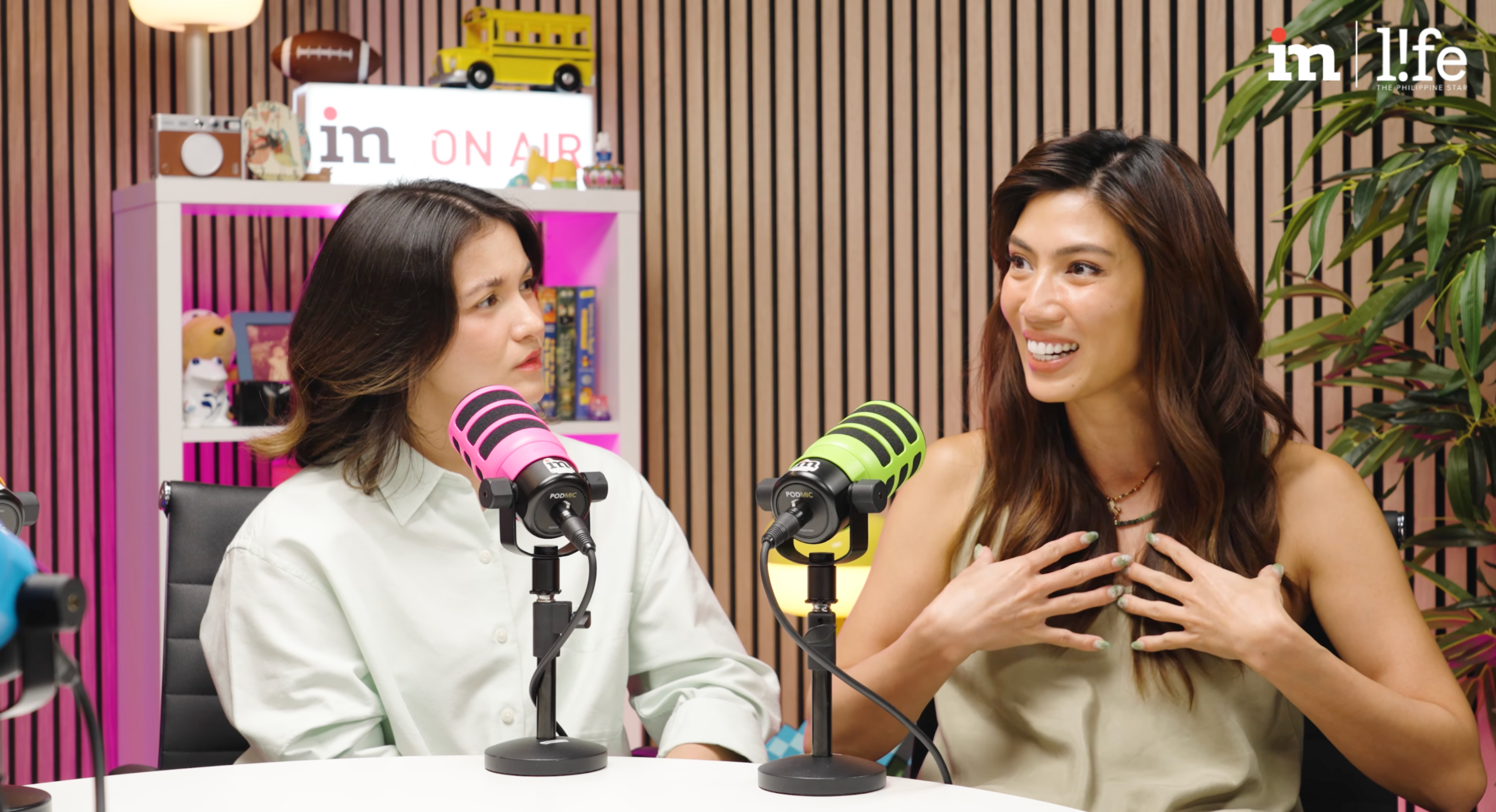
Luchi, however, pointed out that while we tend to give our family members more grace and understanding, they can also be the ones who repeatedly cross the same boundaries.
“The thing is, they keep doing it. They will keep saying the same thing that really riles you up," she said. "Forgiveness to me is a constant challenge."
Friendships and romantic relationships
Many of us have encountered "wrong" circles—friendships that demand loyalty at the expense of our own well-being. Angel recalled being part of a group where she was expected to apologize to their "leader" even when she was the one who had been wronged, simply to keep the peace within the circle.
Experiences like these can also shape how we view forgiveness. "Maturity has a way of making us more flexible when it comes to forgiving," said Luchi.
In romantic relationships, conflict tends to become more personal. For Camille, choosing to love someone means accepting that, at some point, you will hurt each other.
Disagreements and misunderstandings, she said, are inevitable. What matters is how couples deal with them. Rather than dwelling on past hurts, Camille focuses on the issue at hand. This is because unresolved conflicts can pile up and eventually drive partners apart.
Just as important, Camille said, is reflecting on one's own mistakes. Recognizing where you fell short makes it easier to ask for forgiveness and extend the same grace to your partner. "Because the moment you also understand kung ano 'yung pagkakamali mo, then you will also eventually need to ask forgiveness from that," she added.
Forgiveness and faith
Religion and society researcher Robbin Dagle, in a video message, explained how faith—along with Filipino values—plays a significant role in shaping how Filipinos view and practice forgiveness.
"We value community and family so much, and that forgiveness is a way to preserve that unity. 'Para tahimik na lang,' ‘di ba? Naririnig natin sa ating mga parents, sa ating mga lolo, lola. 'Patawarin mo na lang,' ‘di ba?" he said.
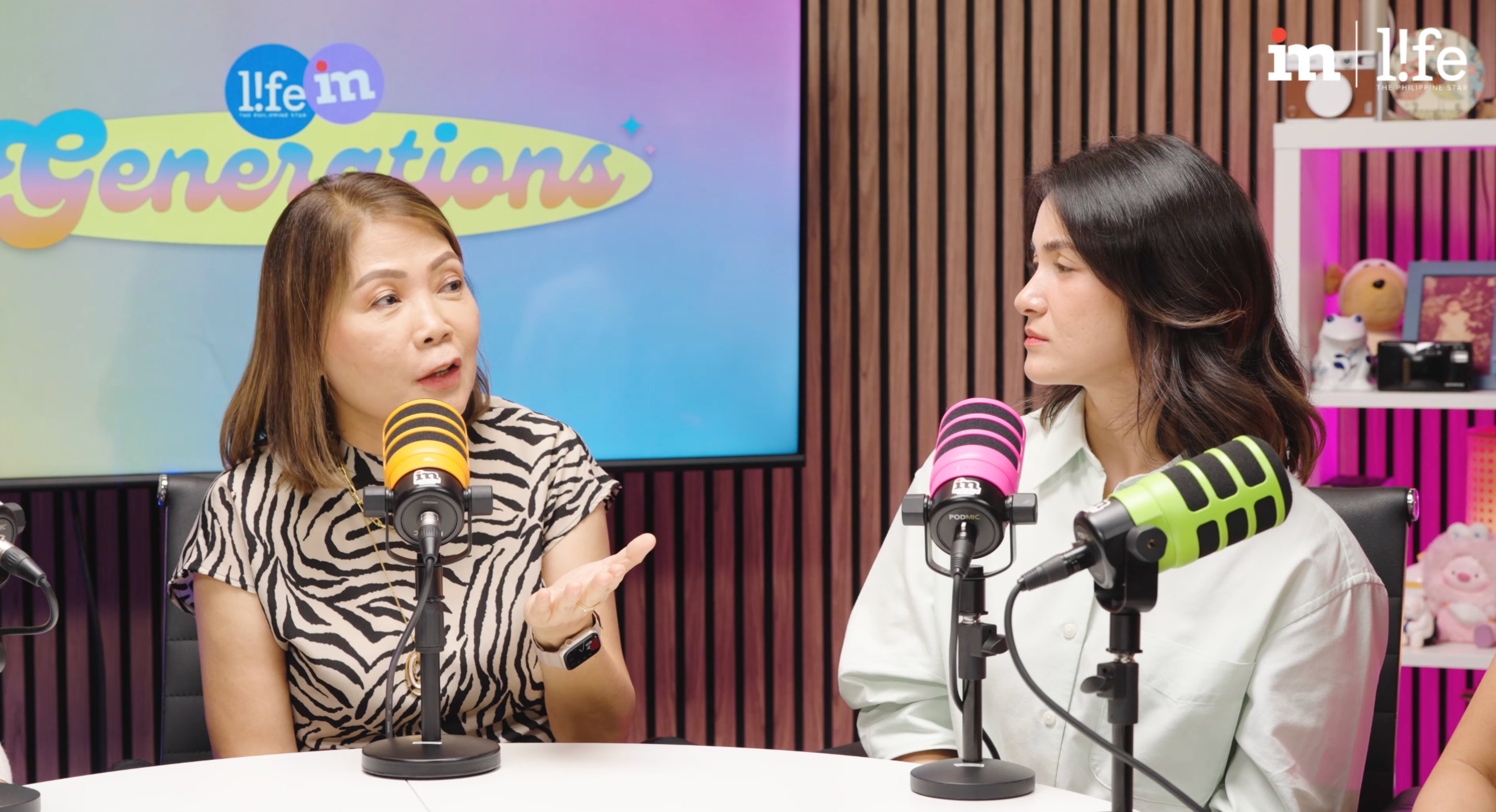
Camille and Nicole believe that faith and forgiveness go hand in hand, especially when it comes to processing pain and moving forward. While the resolution may not always come in the way people expect, Nicole believes God allows them to confront certain conflicts when they are ready for the lessons that come with them.
"It's never how you imagined it, the way that it could be. Pero, you know that it can only come from God. And it's because He's teaching you another lesson that you only needed in that season you're already in," added Nicole.
Luchi views forgiveness not as a free pass for those who have caused harm, but as an act of surrender. She believes faith allows her to release resentment while trusting that justice—whether earthly or divine—will take its course.
"You have to believe that there will be some divine consequence somewhere down the road. I have to believe that. Otherwise, it's going to be hard for me to forgive. So when I forgive, I just say, 'Lord, I surrender him to you.' And then I'll go on with my life. I think that's what people don't realize about forgiveness from the perspective of faith," she said.
Are we too forgiving—and forgetful—as a nation?
Fuel prices remain high, the cost of basic goods continues to rise, and public transportation remains a daily struggle for millions of Filipinos. But amid all of that, there are still some public officials who engage in corrupt acts and still end up holding a seat in the government.
When asked whether Filipinos are too forgiving and forgetful as a nation, Raco stressed that forgiveness has its limits. If the same issues keep repeating, he believes it is the system that needs to change.
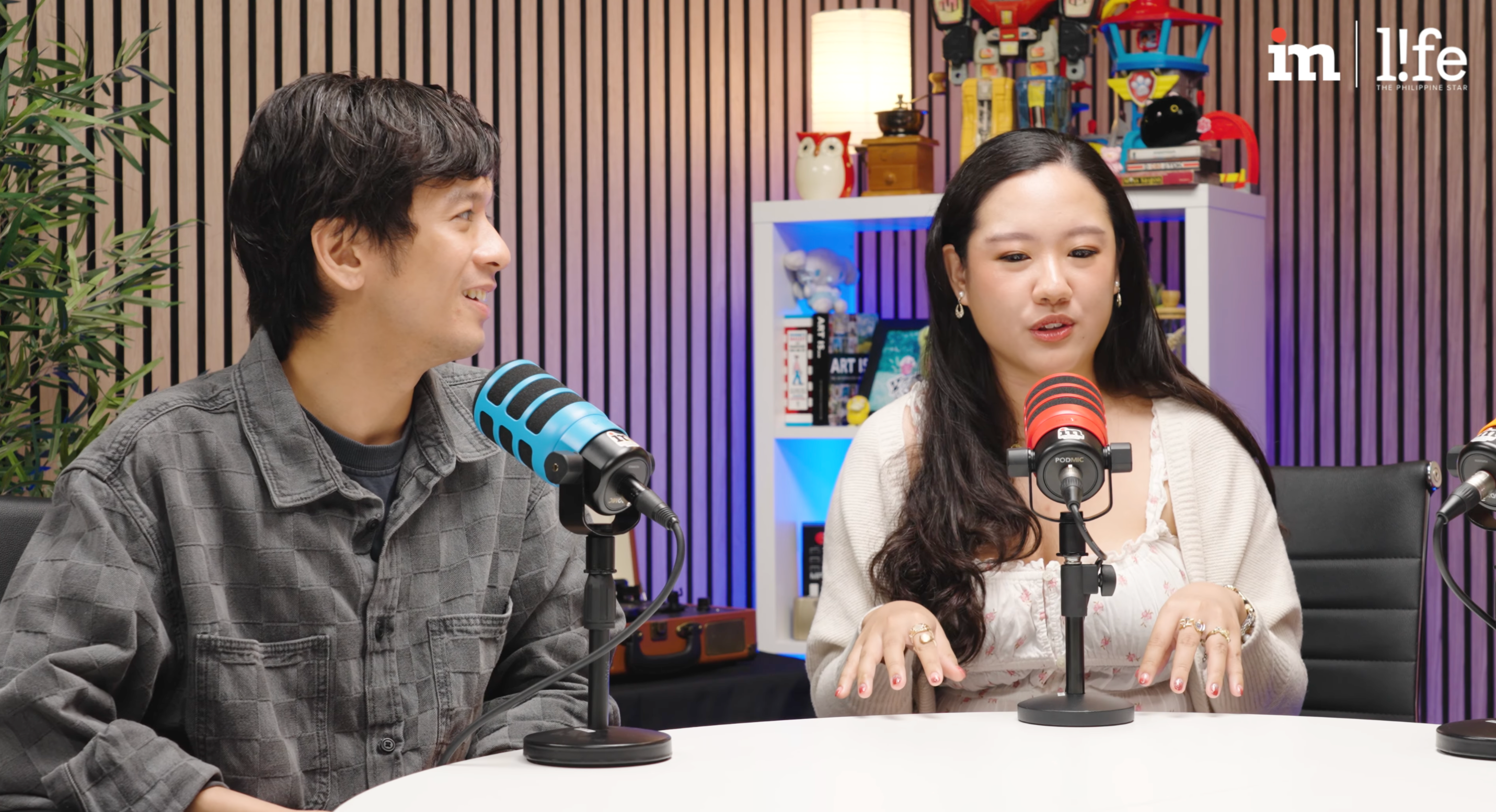
For her part, Luchi said, "I think we can only go as far as legal consequences. It's justice, and that's what we ought to pursue. We shouldn't wish that they go to hell. But at the very least, ikulong niyo naman."
The group agreed, with Camille adding, "Kasi wala rin matututo eh. Parang lahat na lang ng papalit, mas matapang, kasi sila nga, they got away with it, eh 'di ibig sabihin, tayo rin."
Nicole, who has experience working in government, lamented how even well-meaning public servants can struggle within a flawed system.
"Ibang tibay ng sikmura ang kailangan mo to be in politics, so it's very complicated. Kaya ako, parang I've been very careful then with my views in terms of, because I've seen how it works internally. I've seen how certain players had to parang bend din or compromise. It's a whole play. Kaya feeling ko, it's the whole system talaga," she added.
To end the discussion, the hosts and guests talked about which generation determines the end of a conflict.
For Camille and Nicole, it's the boomers who have been through more than other generations before them.
But for Angel, forgiveness and closure should not be dictated by one side or generation—it should be a mutual process where both parties acknowledge mistakes and agree to move forward.
Luchi echoed this, saying, "Forgiveness and forgetting are an individual decision. It's not a generation thing. And at the core of it, I think those who value forgiveness will struggle with it, but ultimately we'll do it."
Watch the full episode below.
Follow PhilSTAR L!fe on YouTube and Spotify to catch new episodes of Generations.

WATCH: How to experience Bangkok and Kanchanaburi in one trip
October 21, 2026
WATCH: Is Philippine cinema still thriving? (Generations Ep. 19)
September 2, 2026
WATCH: LGBTQIA+ people with unlikely professions
June 28, 2026