

[OPINION] The Senate must apologize, but do they deserve our forgiveness?

Every week, PhilSTAR L!fe explores issues and topics from the perspectives of different age groups, encouraging healthy but meaningful conversations on why they matter. This is Generations by our Gen Z columnist Angel Martinez.
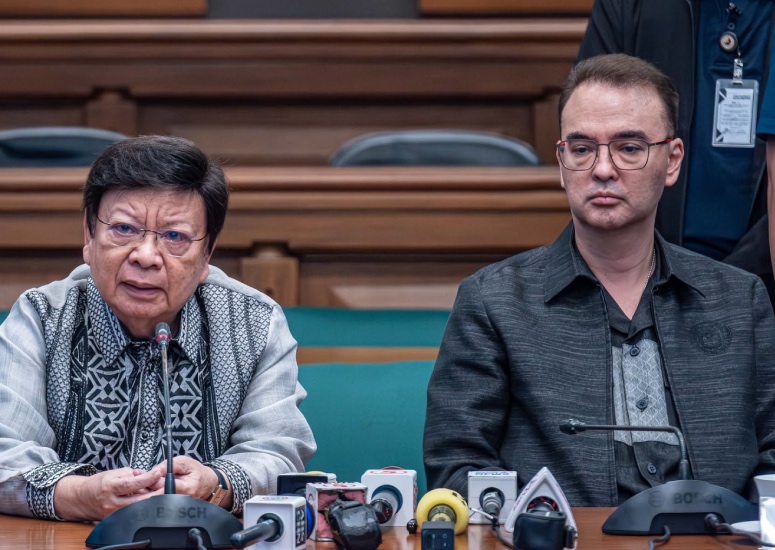
Philippine politics has been in even more of a disarray than usual. We’ve seen a delinquent senator running to evade his arrest, another getting arrested for plunder charges, and one more releasing statements via Facebook Live like a frustrated streamer. The entire minority bloc walked out of a plenary session after a heated discussion on electronic voting, while the majority bloc skipped sessions for two days. People are getting ousted from their posts, and subsequently reinstated. Simply speaking, they are not getting along.
In the midst of all this, our politicians don't even seem sorry for the ruckus they’ve caused. Either they fail to see how this leads to an erosion of public confidence in the political process, or they’re too invested in their own interests. Don’t be fooled: If they really wanted to change their ways, they would put their differences aside and just get back to work.
And yet, there are Filipinos who are known to be merciful people—no evidence of change or desire for accountability required. The reasons are far more structural than personal, with voters turning to political dynasties out of familiarity and necessity, track record notwithstanding. It’s actually a rational response to a system that has never offered a real alternative, and honestly, a means of self-preservation. How much easier would life be if we stopped holding grudges against the system, right?
But there’s the glaring issue of privilege. Who can afford to forgive and forget statesmen and structures? Who has the luxury of switching off their devices at the sight of unsettling news?
CONTINUE READING BELOW

When a young person living in a gated subdivision and studying in a Big 4 university says they want to move on from whatever is happening right now, they are exercising a freedom that a tricycle driver, a contractual employee, or a farmer from the province simply do not have. Policy decisions land on those at the fringes first, and they feel its effects the hardest.
It’s whether the minimum wage they make in a day can afford dinner for all of their children, whether a family member on the brink of death secures a hospital bed in time. It’s envisioning what their communities might have become, had it not been for the anomalous flood control projects.
Whether we admit it or not, going down the path of least resistance is a kind of disengagement, a manifestation of disenfranchisement. Honestly, it’s an expected response to the state of affairs, especially among us younger people. Research suggests that many Gen Z students are "largely politically apathetic."
Once idealistic and impenetrable, we participated in our first elections with unwavering faith in the power of a single ballot. Years later, we’ve learned the hard way that progressive and liberal ideals rest in the minority, and that our corresponding concerns and needs remain largely excluded from important conversations.
But distance from consequences is what enables disillusionment. You can opt out of what you don’t know, because the worst possible outcomes will not reach you. You can forgive those who aren’t apologetic in the first place if you have a safety net secure enough to keep you afloat.
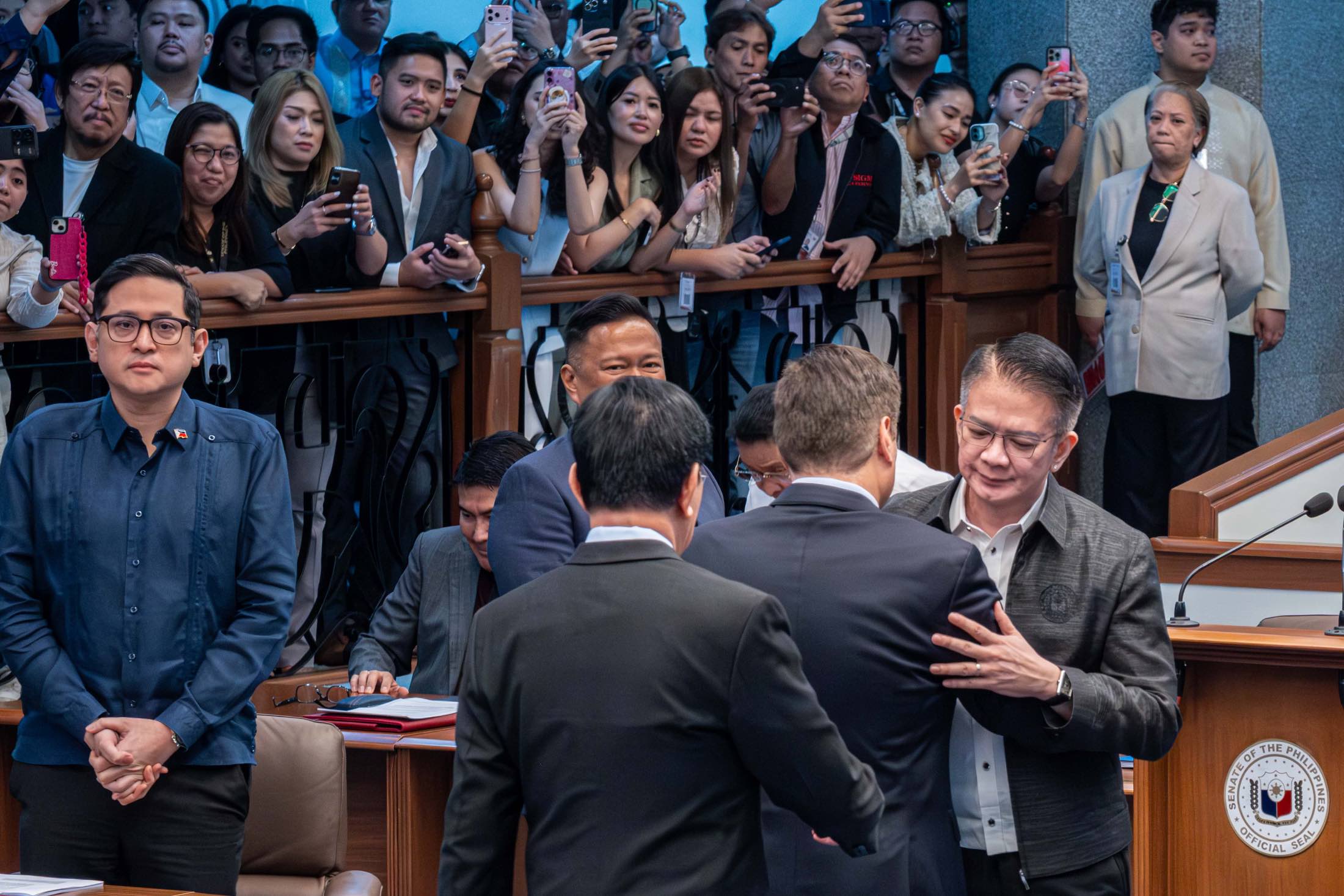
What also isn’t talked about enough is how being the bigger person when our politicians refuse to do the same continuously excuses their incompetence, apathy, and greed. When we gloss over everything they do without batting an eyelash, that means no one is keeping tabs, no one is pushing back. They’re free to run the country in any way that benefits them.
So, rather than be compassionate towards those who do not deserve it in the first place, why not try redirecting this towards our countrymen, who continue to suffer due to circumstances beyond their control?
Rowella Berizo, digital rights advocate and head of communications at Sigla Research, tells PhilSTAR L!fe that there is a glaring lack of empathy towards our fellow citizens on online platforms. “Political discussions online have been associated with so much negativity and tension. We actually see the same names who often bring with them partisan insights, which drown out genuine curiosity from young people.”
In the 15th episode of the Generations podcast, beauty queen and host Nicole Cordoves points out that we are capable of “inflict[ing] pain in different ways. We can get mad at these politicians, but we also put blame on our fellow Filipinos from different demographics, and we have these blind spots for them and automatically subject them to judgment based on class.”
But Berizo is hopeful that we’re not “depleted of sympathy and compassion. Our platforms are just not very rewarding of these values, because they don’t drive the same level of engagement as ragebait and political shitposting.”
It is crucial that we start looking beyond our bubble of privilege: to learn to sit with the discomfort that comes with the luxuries we enjoy, and acknowledge when we or our families or social circles are benefiting from the systems that oppress others. (And yes, that extends to staying mutuals with corrupt nepo babies!) Only then can we truly learn about the plight that people face, even as our lives go on as usual; and only then will we be compelled to stand in allegiance with them and hold our officials to account.
As actress Camille Prats says in the same Generations podcast episode, their actions deserve earthly consequences: “Kung hindi, parang lahat na lang ng papalit [sa ating public officials], ganun din 'yung gagawin. Kasi if they could get away with it, eh 'di tayo rin.”
Most importantly, we must ask ourselves what this forgiveness has truly done for us. Are we doing this as a cultural expectation, as a means to avoid further conflict? Has allowing our politicians to get away with doing just about anything and everything ever really brought us peace into our lives?
Disclaimer: The views expressed in this article are those of the author and do not reflect the opinions of PhilSTAR L!fe, its parent company and affiliates, or its staff.
Generations by Angel Martinez appears weekly at PhilSTAR L!fe.

WATCH: Is Philippine cinema still thriving? (Generations Ep. 19)
September 2, 2026
WATCH: Is OPM still as good as it used to be? (Generations Ep. 20)
September 9, 2026