

DepEd seeks changes to class suspension rules to allow safe schools to reopen
The Department of Education on Tuesday called for revised emergency protocols that would give schools the authority to resume face-to-face classes depending on their specific safety conditions, even if class suspensions remain in place across wider areas.
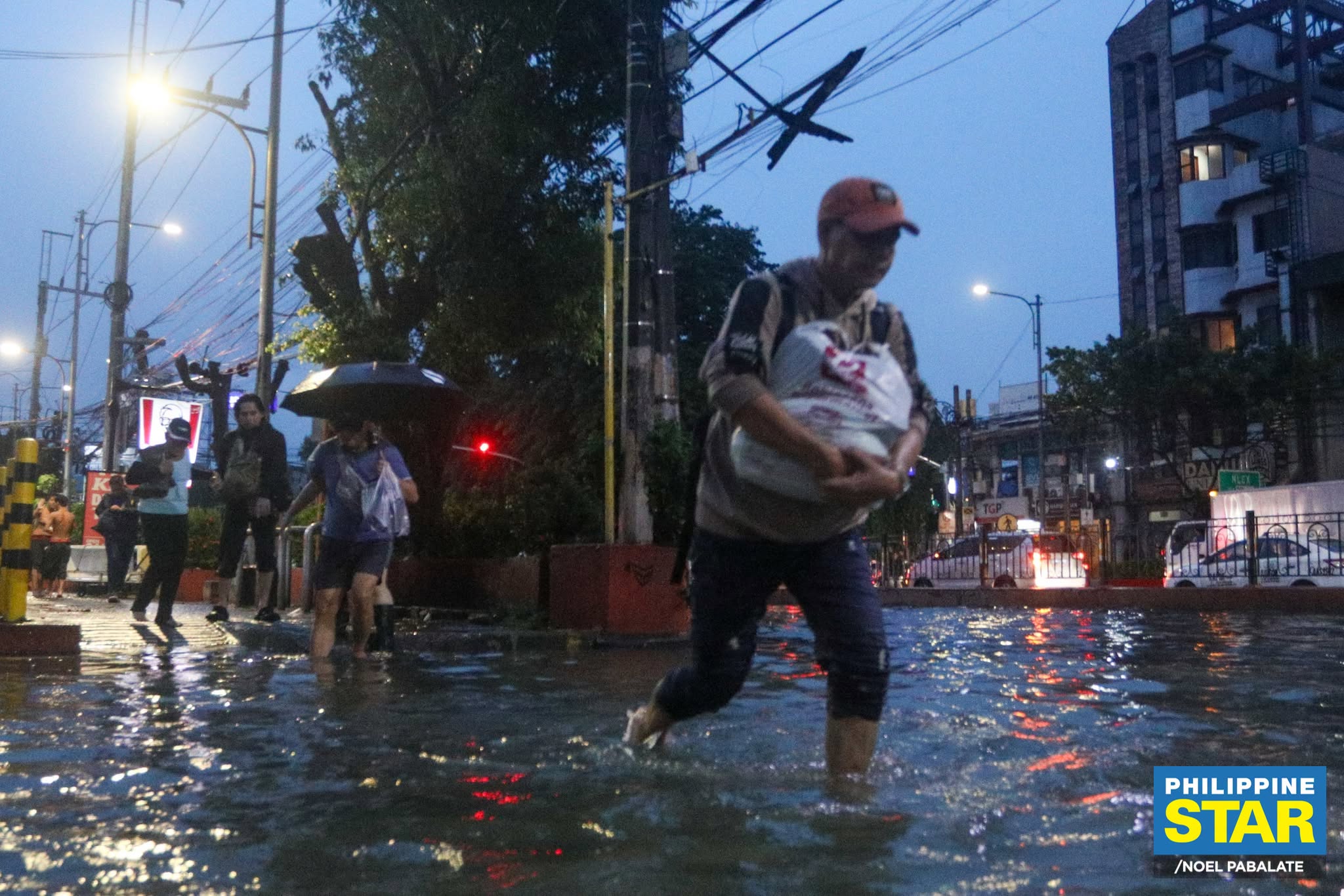
The push for the new policy follows prolonged disruptions caused by the southwest monsoon, or habagat, which has forced classes to be called off in multiple areas. The repeated cancellations have affected the continuity of lessons and heightened concerns about students falling further behind in their studies.
Under the proposed executive order, schools could resume face-to-face classes once they are deemed safe, even while a broader city- or municipality-wide suspension remains in place, subject to LGU approval and safety documentation.
Education Secretary Sonny Angara said blanket class suspensions significantly disrupt basic education, underscoring the need for a more targeted approach that protects safety while keeping learning on track.
Angara said the policy aims to balance learner safety with efforts to recover lost learning time, noting that public schools lost up to 53 instructional days during School Year 2023–2024 due to weather-related disruptions and other delays.
“While safety will always remain our non-negotiable priority, we can no longer rely on broad, blanket suspensions where an entire city shuts down even when individual campuses are dry, safe, and ready to teach,” Angara said in a statement. “If a school is clear, accessible, and certified safe, our learners should be back in the classroom without delay."
CONTINUE READING BELOW

The proposal seeks to update Executive Order No. 66, s. 2012 by establishing clearer guidelines for class suspension and resumption during emergencies, including extreme heat, earthquakes, power outages, and poor air quality.
It introduces granular class resumption, allowing public schools to recommend reopening based on safety assessments with LCE approval, while private schools may resume classes in coordination with the LCE, even during a broader local suspension.
School heads would also retain their authority under DepEd Order No. 22, s. 2024 to suspend classes over localized hazards, subject to SDS approval. LGUs and Schools Division Offices would have one hour to act on school safety assessments.
The measure was developed following nationwide consultations with local officials, education leaders, teachers, parents, and students, who broadly backed allowing schools to make decisions based on conditions on the ground.
'We need to take that uncertainty very seriously'
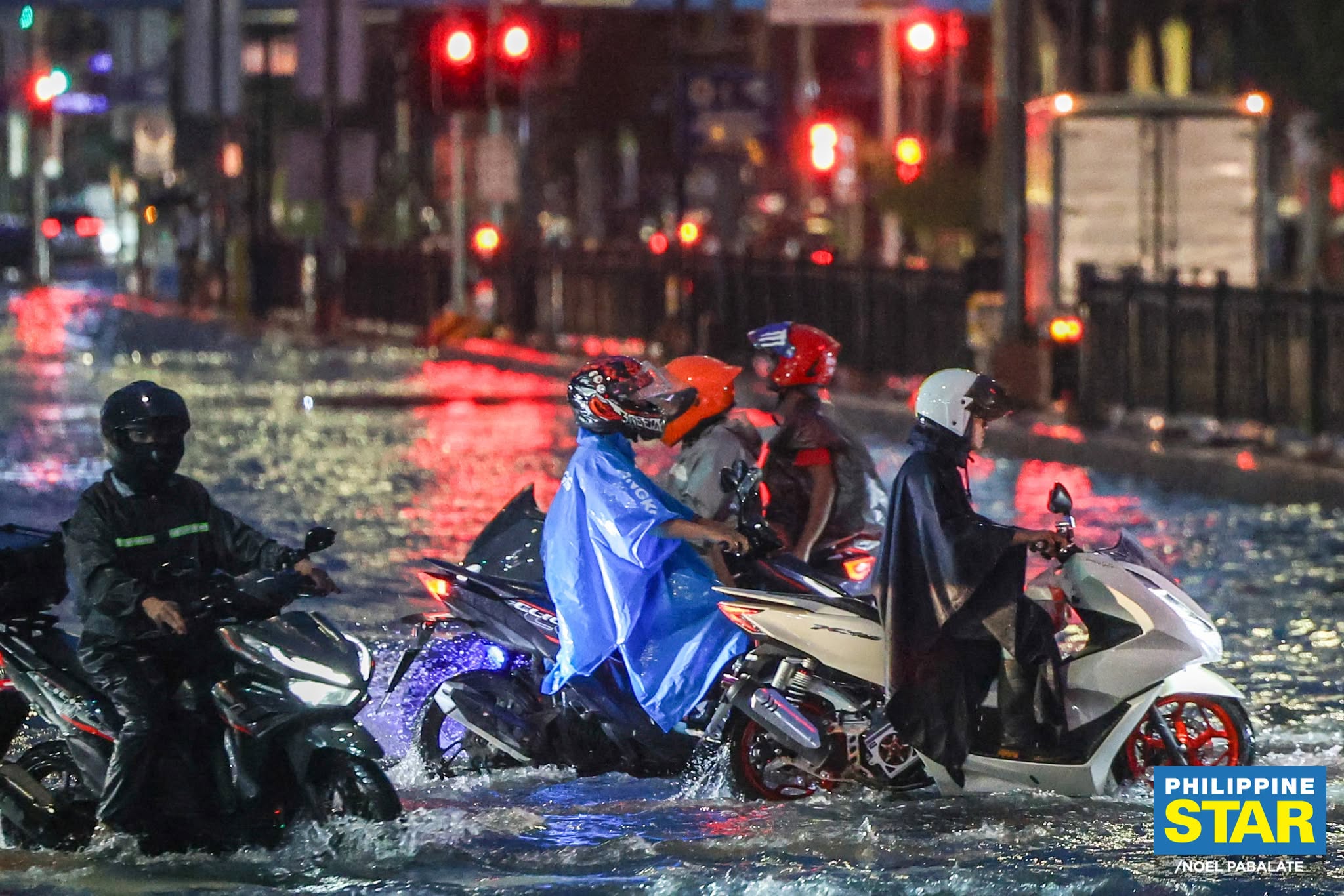
PAGASA on Monday recorded 201 mm of rainfall—about 44% of the 455 mm of rain Tropical Storm Ondoy dumped over 24 hours in 2009—leaving many students and motorists to brave flooded roads after several LGUs issued late suspension announcements.
In response to public backlash, Quezon City Mayor Joy Belmonte apologized and admitted that the weather forecast during the heavy rains on Aug. 17 was unpredictable.
“Believe me I understand where you are coming from. Alam ko that when all is said and done, walang scientific explanation o datos ang makaka-bura sa naranasan ng mga estudyante natin sa gitna ng ulan at baha. For that, I am deeply and truly sorry,” she responded to a lengthy open letter addressed to her.
She then explained how the city arrived at its decision on class suspensions.
“At 4 AM, when the decision had to be made for morning classes, there was no Yellow rainfall warning for Metro Manila. Our sensors across the city recorded generally light rain during the students’ travel window.”
She said forecasts at the time indicated that rain would arrive later in the day and was expected to be occasional and light to moderate. Morning shift students were therefore expected to be home before the heavier rain. However, the rain came earlier and peaked around lunchtime when students were heading home. Belmonte acknowledged that the city did not anticipate the timing of the rainfall and suspended afternoon classes once the Yellow Warning was issued.
“Unfortunately, hindi natin naagapan ang sitwasyon para sa mga estudyanteng pumasok ng umaga,” the mayor said.
Belmonte said the decision-making process must also be viewed based on the information available at the time, rather than solely on how the weather eventually unfolded. “Once we see how the weather actually unfolded, it is only natural to look back and ask what could have been done differently. But at the time when decisions must be made, we needed to operate with the forecasts, warnings, and conditions available at that time.”
She also noted that forecasts can sometimes overestimate or underestimate actual conditions, making suspension decisions difficult for local governments.
“There are days—like yesterday—when conditions worsen unexpectedly. But there are also days like today, when the forecast warned of heavy rain, but we had light drizzles instead.”
The experience, she said, has prompted the city to take a more cautious approach when student safety is at stake.
“This experience reinforced the truth that weather has become increasingly difficult to predict. Thus, I have learned that when it comes to the safety of our students, we need to take that uncertainty very seriously and, where circumstances warrant, be more conservative in our decisions rather than leave too much to chance.”
Belmonte said she has instructed the city’s team to review its protocols and identify areas for adjustment. She also said the city would strengthen alternative delivery modes to ensure class suspensions do not unnecessarily disrupt students’ learning.
“Rest assured that in everything we do, we take your welfare and safety in the highest consideration.”
The continuing habagat have prompted local governments and Malacañang to suspend face-to-face classes at all levels—in both public and private schools—across Metro Manila and 17 other provinces for Wednesday, Aug. 19. Government work in the affected regions has also been called off as a precautionary measure.

WATCH: Save for retirement or enjoy life now? (Generations Ep. 21)
September 16, 2026
WATCH: Can we talk about death and grief? (Generations Ep. 25)
October 14, 2026
WATCH: Why is it so hard to make friends? (Generations Ep. 26)
October 21, 2026