

Are millennials finally adults?

Every week, PhilSTAR L!fe explores issues and topics from the perspectives of different age groups, encouraging healthy but meaningful conversations on why they matter. This is Generations.
I am in my 30s, married, and teaching at a university. I am also a PhD student and a Pilates instructor, which means that my working life involves being responsible for other people while remaining very much a learner myself. On paper, there is enough here to qualify as an adult. Yet I understand the hesitation behind a question that seems to follow millennials well into this decade of our lives: Are we finally grown up?
It is a strange question to ask a generation already raising children, managing businesses, and caring for aging parents. Some millennials are now in their 40s. Still, we remain attached to an image of ourselves as people trying to figure things out, waiting for the moment when our lives will feel as settled as we once imagined our parents’ lives to be.
Perhaps what we are waiting for is a sense of arrival that adulthood was never guaranteed to provide.
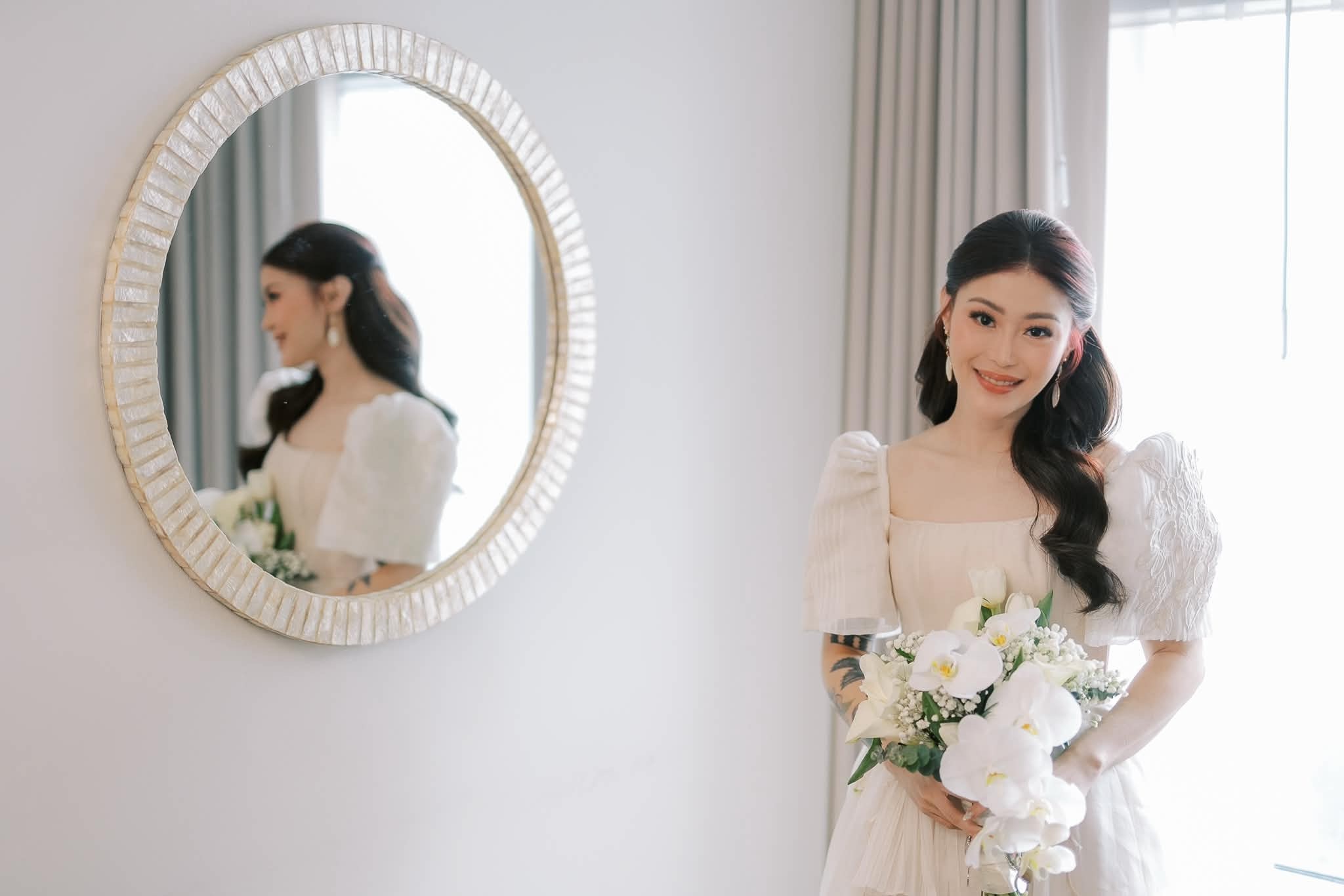
The familiar version went something like this: finish school, find a stable job, get married, buy a home, have children. There were variations, but the sequence was recognizable. Each milestone seemed to lead naturally to the next. By 30, supposedly, the basic shape of a life would be clear.
CONTINUE READING BELOW

This was an especially powerful middle-class aspiration. It offered a reassuring connection between effort and security. Study hard and work hard, and eventually you would have something durable to show for it.
What happens, then, when you do the work and security remains uncertain?
A person can have a respectable job and still find homeownership difficult to imagine. A couple can want children while wondering how to afford childcare or who will have to reduce their working hours. Moving out can mean paying rent with money that also helps support a parent. These decisions involve arithmetic as much as readiness.
Yet we often discuss them as questions of character. Millennials are "indecisive," "too comfortable," "unwilling to sacrifice." The person who has not reached a milestone is asked to explain themselves long before anyone asks what that milestone now requires.
I would like to think there is room to become more responsible without pretending to be finished. Being a student does not undo the responsibilities I carry as a teacher. Learning a new profession in my 30s does not erase the years I spent building another. There is no reason curiosity, uncertainty, or the need for help should expire when we become adults.
As an anthropologist, I am interested in how a particular arrangement of life becomes an expectation that feels natural. Adulthood is biological and legal, certainly, but it is also social. Other people recognize us as adults through the responsibilities we assume and the lives they consider appropriate for our age. Those judgments draw on ideas about marriage, work, gender, and family that vary across communities and change over time.
The Philippine context makes this particularly interesting because the ideal of independence sits alongside strong expectations of family obligation. We are encouraged to establish our own households while remaining available to the households that raised us. A salary can become a sibling’s tuition or a parent’s maintenance medicine before it becomes a down payment.
Under these circumstances, living with one’s parents tells us very little, by itself, about who depends on whom. The adult child may be paying the electricity bill. A grandparent may be providing the childcare that allows two parents to work. Several generations can be sustaining one another under the same roof.
There can be affection and solidarity in these arrangements. There can also be exhaustion, unequal expectations, and little room to refuse. Calling them either dependence or admirable Filipino resilience would leave too much unexplained.
Marriage, meanwhile, remains a highly visible form of adult recognition. The wedding is celebrated publicly; the years spent becoming dependable to others are harder to photograph. Philippine Statistics Authority figures put the median age at marriage in 2023 at 28 for women and 30 for men. But these numbers describe registered marriages—they cannot tell us when someone became responsible, or whether a person who never marries has somehow failed to grow up.
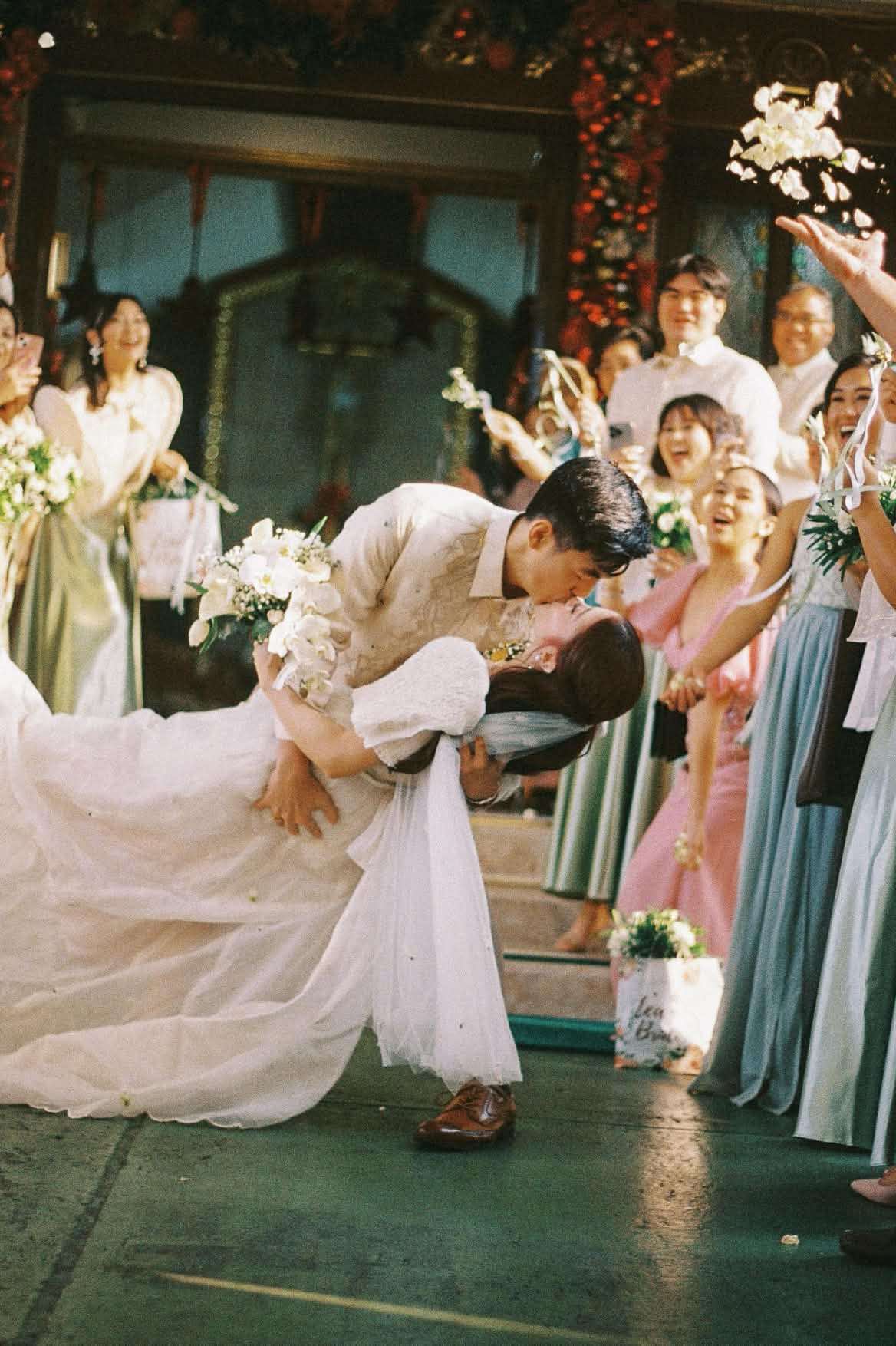
Even after a wedding, another deadline often appears: "Kailan ang baby?" A milestone that seemed to promise arrival turns out to be the beginning of another round of questions.
I got married in my 30s, while already having a career and continuing my studies. These parts of my life overlap. They do not fit neatly into stages in which one task is completed before the next can begin. That overlap makes me wonder how much of our unease comes from trying to measure a complicated life against a very orderly timeline.
It would be unfair, though, to turn our parents’ generation into a story of easy jobs and affordable houses. Many worked through economic crises, left the country to earn a living, or accepted obligations they had little freedom to question. Some never acquired the security we associate with their generation. The stable household remembered from childhood may have depended on debts and sacrifices a child could not see.
There is also no single millennial experience. The freedom to spend one’s 20s exploring careers rests on resources unavailable to someone who began supporting a family as a teenager. For many Filipinos, the problem has been how early adult responsibilities arrived, and how little support accompanied them. A conversation about delayed adulthood needs to account for people who were never allowed much delay.
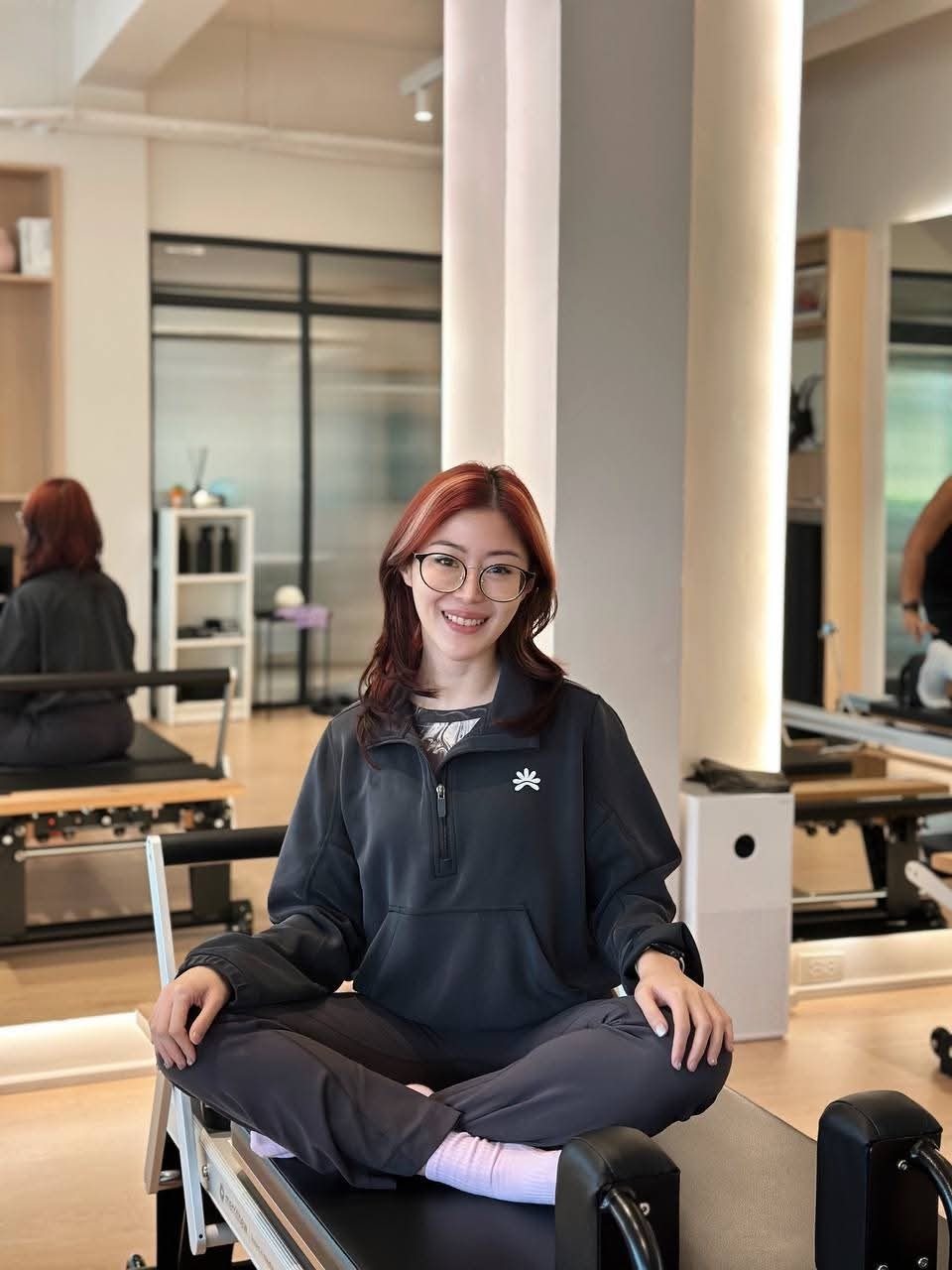
Nor does every departure from the familiar sequence represent a dream postponed. Some people want to remain single. Some do not want children. Others are building households and relationships that relatives struggle to recognize. Treating everyone as “not yet” married or “not yet” a parent assumes that we are all headed toward the same destination.
We should be able to distinguish between a life someone has chosen and a life constrained by what they cannot afford. Both deserve to be taken seriously. Telling people to follow their own timeline offers limited comfort when they would dearly like a home, a child, or more time with family and cannot see a workable way to have it.
This is where the question of adulthood becomes a question about the society in which we are growing older. What kinds of work allow people to plan beyond the next contract? Who provides care when everyone in a household needs to earn? How much security can a family supply before its members are stretched too thin? These questions deserve at least as much attention as our supposed reluctance to grow up.
I would like to think there is room to become more responsible without pretending to be finished. Being a student does not undo the responsibilities I carry as a teacher. Learning a new profession in my 30s does not erase the years I spent building another. There is no reason curiosity, uncertainty, or the need for help should expire when we become adults.
Are millennials finally adults? Many of us have been for a long time. What remains uncertain is whether the lives we are working so hard to sustain will give us the security we were taught to expect. We could begin by taking those lives seriously, even when they look different from the ones we pictured at 20.
Generations appears weekly at PhilSTAR L!fe.

WATCH: Can we talk about death and grief? (Generations Ep. 25)
October 14, 2026