

The great sleep debt crisis
A curious paradox defines modern life. Never before have we had more comfortable beds, quieter air conditioners, softer pillows, and better sleep technology. Yet never before have so many people complained of being perpetually tired.
We are living in an age of chronic sleep deprivation.
Ask any physician, and the story is familiar: the executive who survives on five hours of sleep; the call center worker who struggles to maintain a normal body clock; the student scrolling through TikTok at two in the morning; the commuter who spends four hours daily trapped in traffic; the young mother caring for a newborn; the overseas worker juggling multiple jobs.
Fatigue has become so common that many people now consider it normal. It is not.
Sleep is not a luxury. It is a biological necessity as essential as food, water and oxygen. Yet millions of Filipinos are accumulating what experts call “sleep debt”—the cumulative effect of repeatedly getting less sleep than the body needs.
Like financial debt, sleep debt eventually comes due. The difference is that the collector is your own body.
The hidden cost of modern living
CONTINUE READING BELOW

Several factors are conspiring to rob Filipinos of sleep. One is our increasingly digital lifestyle. Smartphones have become the last thing many people see before sleeping and the first thing they check upon waking. Endless scrolling, online gaming, streaming platforms, and social media notifications have pushed bedtimes later and later.

Another culprit is urban living itself. Long commuting times in Metro Manila and other major cities steal hours that could otherwise be spent resting. Economic pressures also play a role. Many workers hold multiple jobs or side hustles to cope with rising costs of living. Shift workers, particularly those in the business process outsourcing industry, face unique challenges because they must remain awake when their biological clocks are programmed for sleep. The result is a society functioning on less rest than it requires. And the consequences are becoming increasingly apparent.
What happens when we sleep too little?
Sleep is not simply a period when the body shuts down. Quite the opposite.
During sleep, the brain consolidates memories, processes emotions, repairs neural connections, regulates hormones, strengthens immunity, and clears metabolic waste products.
The heart rate slows. Blood pressure decreases. Tissues repair themselves.
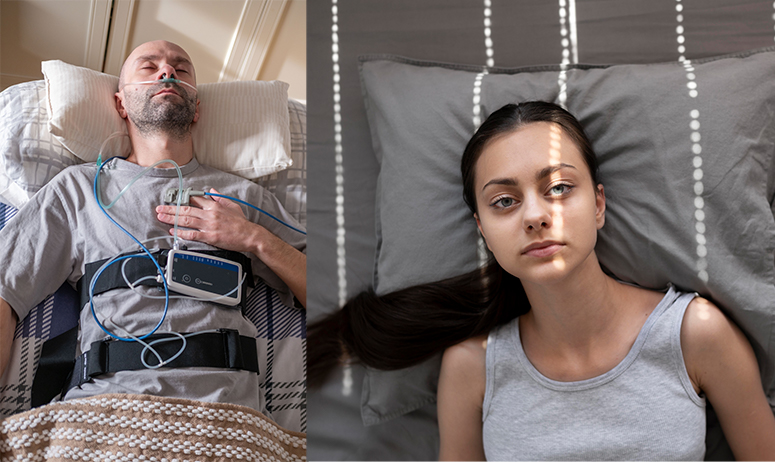
When sleep is repeatedly shortened, these restorative processes are interrupted.
Research has linked chronic sleep deprivation to hypertension, obesity, type 2 diabetes, depression, anxiety disorders, weakened immunity, cardiovascular disease, and premature mortality.
Even more alarming, growing evidence suggests inadequate sleep may contribute to the development of dementia later in life
In simple terms, sleep is one of the most powerful forms of preventive medicine available—yet it is often the most neglected.
The sleep–obesity connection
One of the most surprising effects of sleep deprivation occurs in the waistline. People who sleep too little tend to gain weight more easily. Why? Because sleep influences hormones that regulate hunger and satiety. Insufficient sleep increases ghrelin, the hormone that stimulates appetite, while reducing leptin, the hormone that signals fullness.

The result is predictable: more cravings, larger portions, and increased consumption of calorie-dense foods. This may partly explain why sleep deprivation and obesity often travel together.
A tired brain seeks quick energy. Unfortunately, that energy usually comes in the form of sugary drinks, fast food, and processed snacks.
Sleep and the heart
As a cardiologist, I often remind patients that the heart never truly rests. Even during sleep, it continues its relentless work. However, sleep provides a critical period during which blood pressure and heart rate decline, reducing cardiovascular stress.
When sleep becomes chronically inadequate, blood pressure tends to rise. Stress hormones remain elevated. Inflammation increases. Over time, these changes can contribute to hypertension, coronary artery disease, heart failure, and stroke
Many patients carefully take their medications while unknowingly neglecting one of the most important therapies available to them: sufficient sleep.
A public safety issue

The dangers of sleep deprivation extend beyond personal health.
Drowsy driving impairs attention, reaction time, and judgment. Studies suggest that driving while severely sleep-deprived may be as dangerous as driving under the influence of alcohol.
Medical errors, workplace accidents, industrial mishaps, and transportation disasters have all been linked to fatigue.
When sleep-deprived individuals make critical decisions, everyone around them may bear the consequences. Sleep is, therefore, not merely a personal issue. It is a public safety issue.
Reclaiming the lost hours
The solution is not complicated, though it may be difficult. Experts generally recommend seven to nine hours of sleep for most adults.
Achieving this often requires deliberate lifestyle changes: establishing a consistent sleep schedule, reducing screen exposure before bedtime, limiting caffeine intake late in the day, keeping bedrooms cool, dark, and quiet, exercising regularly, and avoiding heavy meals and alcohol near bedtime. Most importantly, sleep should no longer be treated as negotiable. Many people wear sleep deprivation as a badge of honor—a sign of ambition, productivity, or sacrifice. In reality, chronic exhaustion is not evidence of success. It is evidence that the body is being asked to perform beyond its biological limits.
The bottom line
For decades, public health campaigns focused on smoking, exercise, nutrition, and blood pressure control. Sleep deserves a place on that list. The next great health challenge may not be a new virus or a mysterious disease. It may be the quiet epidemic unfolding in our bedrooms every night.
The tragedy is that millions of people do not recognize they are affected. They simply feel tired. But behind that fatigue may lie a growing risk of obesity, diabetes, heart disease, depression, dementia, accidents, and diminished quality of life.
In a nation striving for productivity, prosperity, and progress, perhaps one of the smartest investments we can make is also the simplest: Go to bed earlier. Your heart, brain, and future self will thank you for it.

WATCH: Do you still believe in marriage? (Generations Ep. 17)
August 19, 2026
WATCH: Is Gen Z too soft? (Generations Ep. 23)
September 30, 2026