

Can't stop doomscrolling? Here's how you can cope with anxiety over current events
In recent weeks, the Philippines has been grappling with rising fuel prices driven by tensions between the United States and Iran.
As a result, transport strikes have been staged nationwide. Reports showed jeepney drivers lining up for hours to receive the promised P5,000 cash aid, with one driver even fainting while waiting. In another instance, a 72-year-old driver became emotional during an interview after learning his name was included on the list, pleading with the government for support amid the crisis.
In the past few days, many passengers in Quezon City were left stranded due to the limited availability of public transportation, not to mention the anxiety fueled by global developments unfolding abroad, and the possible price hike in goods.
These scenes have dominated our feeds in recent days, making it difficult not to feel unease. Before we know it, we've been doomscrolling for hours.
How to manage doomscrolling
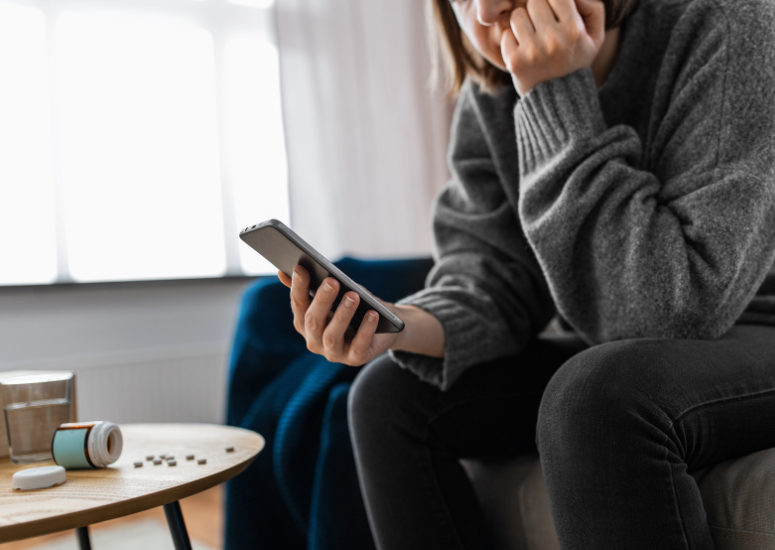
Tricia Zafra, a clinical psychologist and professor at the University of the Philippines, noted that it’s important to acknowledge that feeling anxious about current events is normal, but you can manage doomscrolling by setting limits on social media use.
CONTINUE READING BELOW

To manage it, she advises being intentional and setting specific times to go online. “There’s nothing wrong with using social media for entertainment or to take a break from the news, but it helps to set specific times for this and for connecting with friends and family,” she told PhilSTAR L!fe.
She also recommends offline activities such as walking, reading, tidying up your space, or simply taking a few minutes to focus on your breathing and surroundings. These habits can help reduce aimless and anxious scrolling.
Zafra also suggests doing the 5-4-3-2-1 method to calm yourself. First, sit in a comfortable position, and notice and name:
- Five things you can see around you
- Four things you can feel with your touch or on your skin
- Three things you can hear
- Two things you can smell
- One thing you can taste
Another grounding exercise is to notice how your body connects with your surroundings—feel your feet on the floor, your weight on the chair or sofa, your back against the seat, and pay attention to your breathing. The psychologist added that you can explore more grounding techniques through free apps or online guided mindfulness exercises, which research shows can help reduce stress and anxiety.

You can also try paced breathing: Slowly inhale for a count of four, hold for four, exhale for four, hold for four, and repeat.
“It is also helpful that we continue with our lives and prepare the best we can despite what's happening,” Zafra said, adding that staying informed through accurate news and being vigilant against misinformation helps us act wisely and avoid being misled.
Participating in supportive activities—like sharing awareness and support online, community pantries, donation drives, or mass actions—can boost well-being, but we should also be mindful of our limits to avoid burnout.
In times like these, it's also important to look out for each other, primarily with friends and family members who may be getting overwhelmed.
"Let's normalize what each other is feeling. It is invalidating and not helpful to tell someone to 'don't stress out' during this time. Stress responses are not something we can control because that is automatic in our nervous system," Zafra said. "Toxic positivity also won't be helpful," she added.
She recommends supporting each other by having open conversations, acknowledging one's feelings, and sharing them without judgment.
"Sometimes, people tell us about how they're feeling because sometimes being able to tell what you're feeling and thinking without being judged goes a long way already," she said. "Just being there, sincerely empathizing, and listening is enough. Being heard and supported by friends and family can regulate our nervous system," she added.
Staying informed vs getting overwhelmed

Zafra noted that it's important to recognize warning signs that one is being overwhelmed with negative news, which include changes in mood, thinking, and behavior, specifically, trouble sleeping or eating, fatigue, restlessness, difficulty focusing, irritability, and the urge to isolate. She underscored that these vary by person, so it's important to recognize your personal warning signs.
"Once you are aware, it helps if you have a plan of coping. This can include the grounding exercises I mentioned earlier, or other strategies such as reaching out to your social support, engaging in hobbies or other activities, getting enough sleep, drinking water, eating your meals, and the like," she told L!fe.
Zafra added that you can intentionally consume news that is amusing, heartwarming, or hopeful, while still ensuring that it is not fake or fabricated.
"Studies show that intentionally looking for the positives can decrease feelings related to stress, and help us have a more balanced, realistic view of the world around us. While news about the war can activate our stress responses, if we look for news about acts of kindness, or acts of solidarity, that activates our brain's reward and regulation systems," she explained.
Amid everything that’s happening, you may also feel guilty about spending on your cravings or leisure activities like travel. In cases like this, Zafra noted that it helps to understand where this sense of having made a mistake comes from, since guilt arises from the belief that you did something wrong or caused harm to others.
"Sometimes we also become trapped in 'emotional thinking.' This happens when we believe that what we are feeling must be true. In guilt, we feel we did something wrong, so we also think that it must be true," she explained.
To cope with this, Zafra encourages acknowledging feelings and logic. "This balanced view would allow us to take action consistent with our values," she explained.
Staying informed is important, but we function better by prioritizing our mental health.

WATCH: Discovering Vietnam in three days
June 9, 2026
WATCH: Is Gen Z too soft? (Generations Ep. 23)
September 30, 2026