

Concert survival guide: How to avoid dehydration, dizziness, and heat exhaustion
Do you have a concert coming up?
There’s nothing quite like the rush of counting down to D-Day: finally pulling together that outfit you’ve been planning for weeks, screaming your heart out to your favorite songs, and losing your voice alongside thousands of fans who love your favorite artist just as much as you do.
However, going to concerts and music festivals is not always easy. It may require your whole day—especially if the venue is far and big, like Philippine Arena, SMDC Grounds, or Philippine Stadium—and you'll have to brave the crowds and traffic.
If you're planning to see local and K-pop acts, as well as global stars including Bruno Mars, Olivia Dean, BTS, KATSEYE, or My Chemical Romance, here's how to survive during concert day.
How to stay hydrated and avoid fainting
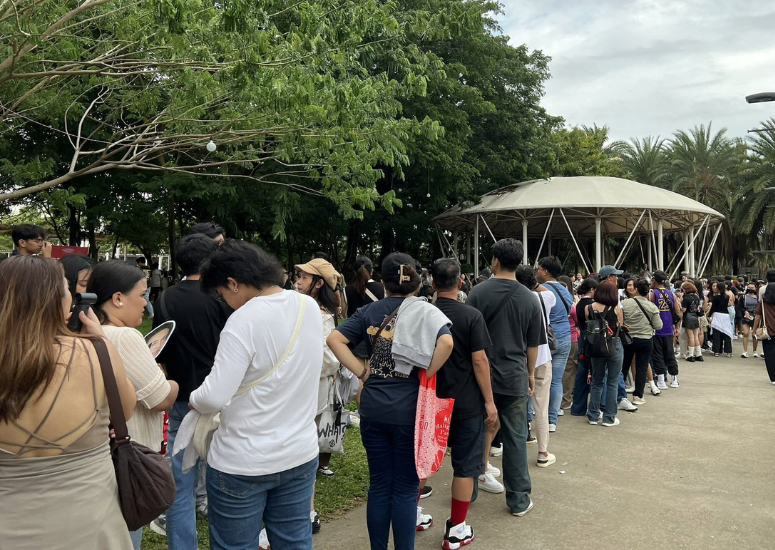
Most concerts start in the evening, around 5 p.m. to 8 p.m. However, concertgoers—especially those heading to the Philippine Arena—often arrive hours in advance to beat the traffic, complete queuing and strapping procedures, or attend soundcheck sessions.
CONTINUE READING BELOW

Waiting for hours in intense heat isn't just uncomfortable—it puts you at risk of dehydration, muscle cramps, dizziness, or even fainting.
Dr. Julianne Herrera explained to PhilSTAR L!fe that standing for extended periods in hot and crowded venues can trigger lightheadedness due to dehydration, heat exposure, insufficient food intake, and blood pooling in the lower extremities.
Meanwhile, Dr. Darlen Aloya cautioned against prolonged exposure to direct sunlight and recommended taking regular breaks.
To keep safe during the long wait, proper self-care is essential. Herrera recommends avoiding skipping meals, as low blood sugar and insufficient calorie intake contribute to weakness.
If you're attending a festival where alcohol is served, the general physician warned that excessive alcohol consumption can contribute to dehydration and could cloud your judgment.
Hydration is equally important, but regular water is generally sufficient. While electrolytes can help replenish fluids lost through excessive sweating, she noted that they are not necessary. She also cautioned that consuming electrolytes, particularly sodium, can have adverse effects on one's health even outside the context of concerts.
"Excessive sodium intake over time can contribute to elevated blood pressure and increase the risk of cardiovascular and kidney diseases," Herrera told L!fe.
"Electrolyte drinks may be helpful during prolonged periods of heavy sweating, particularly in hot and humid environments, but they should not be consumed indiscriminately," she added.
If you begin to feel lightheaded, do not force yourself to keep standing or navigate through the crowd. Instead, sit down immediately or signal a medic. To cool down, loosen any tight clothing and use a wet towel or fan. She cautioned against giving water to anyone who is unresponsive.
Herrera emphasized, "People should learn to recognize their body's warning signs. Feeling dizzy, excessively weak, nauseated, or unusual ringing in the ears should not be dismissed as simply part of the concert experience."
What to wear
Concerts are a great chance to show off your style, but prioritizing comfort and temperature regulation is essential. Herrera advises against wearing overly tight or heavy garments, especially at outdoor concerts.
Wear comfortable and well-fitting shoes with proper cushioning and arch support, with socks, especially if you expect to stand for hours.Steer clear of brand-new shoes, which are often stiff and almost guaranteed to give you blisters after hours of standing. Similarly, leave the high heels, open-toed shoes, and unsupported flats at home—they expose your feet to injuries and can easily trigger ankle strains, muscle spasms, and persistent foot pain.
"Remember, the right footwear can make a huge difference in keeping you comfortable, safe, and ready to enjoy every moment of the concert!" she added.
Also, refrain from standing completely still for long periods—shift your weight, move your legs, or walk briefly when possible to help maintain proper circulation.
Protect your ears
Both doctors advise wearing earplugs during concerts. Citing the National Institute on Deafness and Other Communication Disorders, Aloya explained that prolonged or repeated exposure to sounds at or above 85 decibels (dB) can lead to noise-induced hearing loss. She added that concerts can reach approximately 95 to 120 dB, depending on the venue, sound system, and performance, which may put attendees' hearing at risk.
"Wearing earplugs is highly encouraged because they can help reduce the intensity of incoming sound, typically lowering noise exposure by around 15–25 dB, depending on the type and fit of the earplugs," she told L!fe.
Aside from wearing earplugs, Herrera recommends keeping a reasonable distance from speakers and amplifiers to reduce direct exposure to loud sounds. Concertgoers should also take periodic breaks in quieter areas and avoid staying in excessively loud environments for extended periods.
Ringing in your ears, muffled hearing, or difficulty understanding speech after an event are signs of exposure to excessive noise.
Herrera noted, "Hearing damage can occur even without pain. Therefore, hearing protection should not be considered optional simply because there is no immediate pain or discomfort."
What to bring and what not to bring
Attending a concert can easily take up an entire day—especially if you're traveling from afar, joining pre-show fan activities, or meeting up with fellow fans. That's why it's important to prepare and bring essentials to survive the day. Regardless of personal preferences, the must-have concert essentials other than the tickets are:
- Valid IDs
- A reliable power bank to keep your devices fully charged throughout the day
- Earplugs to protect your hearing as the sound system can be very loud
- Cooling wipes to keep you fresh
- Hand sanitizer
- Sunscreen
- Deodorant or antiperspirant
- A portable fan, cooling mist or wipes
- A first aid pouch containing over-the-counter medicines for head or stomach pain relief, as well as bandages for unexpected minor injuries
- Cash in case mobile data is unreliable for online payment
Those with medical conditions should also bring personal medication with prescriptions. However, they should check the event organizer's guidelines beforehand, as requirements may vary. For instance, PULP Live World requires attendees to secure clearance from its assigned medical personnel.
Aside from OTC medicines, you may also want to bring essential oils or patches to relieve headaches or muscle pains.
Most importantly, know your way around the area. Make sure that you know where the medical stations and the exit points are.
On the other hand, concertgoers must also keep in mind the prohibited items at concerts. While rules may vary, the following items are usually prohibited:
- pointed umbrellas
- sharp objects or noise-making devices
- monopods or selfie sticks
- oversized banners
- glass/cans/tumbler/plastic bottles/tin cans/hard plastic containers
- video and audio recording devices like DSLR, mirrorless, digital, action cameras
- big bags or luggages
Make sure to plan your travel routes and agree on a clear exit strategy with your group, including meeting points. Try not to stress too much and enjoy the show!

WATCH: Boomers: Hirap mag-adjust o ayaw lang? (Generations Ep. 27)
October 28, 2026
WATCH: Why is it so hard to make friends? (Generations Ep. 26)
October 21, 2026
WATCH: Is Gen Z too soft? (Generations Ep. 23)
September 30, 2026
WATCH: Can we talk about death and grief? (Generations Ep. 25)
October 14, 2026