

How do we prepare for death and cope with grief?
Trigger warning: This episode contains discussions of self-harm and attempted suicide. Please watch or listen at your own discretion.
Death is an inevitable part of life, yet it remains one of the hardest topics to tackle.
A lot of difficult questions arise when talking about death: How do you navigate the loss of someone who means so much? How do you manage inheritance? What happens after death, and is there really an afterlife?
In the 25th episode of PhilSTAR L!fe's Generations podcast, veteran journalist Luchi Cruz-Valdes and content creators Abi Marquez and Raco Ruiz sat down with actor-director Epy Quizon and Riyan Portuguez, a.k.a. the Millennial Psychologist, to talk about death, grief, and how you can prepare for it.
Epy opened up about the loss of his dad, the Philippines' comedy king Dolphy, who passed away 14 years ago due to multiple organ failure caused by complications from severe pneumonia, chronic obstructive pulmonary disease, and acute renal failure. The actor left behind 18 children, some of whom have already passed.
“The good thing about us, we’re a big family. We had shoulders to cry on left and right, back and forth…We were together, we had each other’s backs,” Epy said.
CONTINUE READING BELOW

Epy also recalled how Dolphy managed to live for another three years and remained eager to work on set, despite being given only two years to live after he was diagnosed with COPD, or chronic obstructive pulmonary disease.
“He made each of everyone of us promise: huwag na huwag kayo mag-away-away,” Epy said. As Dolphy battled the condition, he was "very strong" and faced it graciously, the About Us But Not About Us star added.
“He kept that strength, that strong demeanor. He showed everyone that he was not afraid of what’s to come,” Epy shared.
Nearly two decades after Dolphy’s passing, the actor-director admitted that the pain of losing his dad remains. Memories of his father, at times, still bring him to tears.
“They say grieving stops…never,” he said. “And you should not stop yourself; if you want to cry, cry it out,” he added.
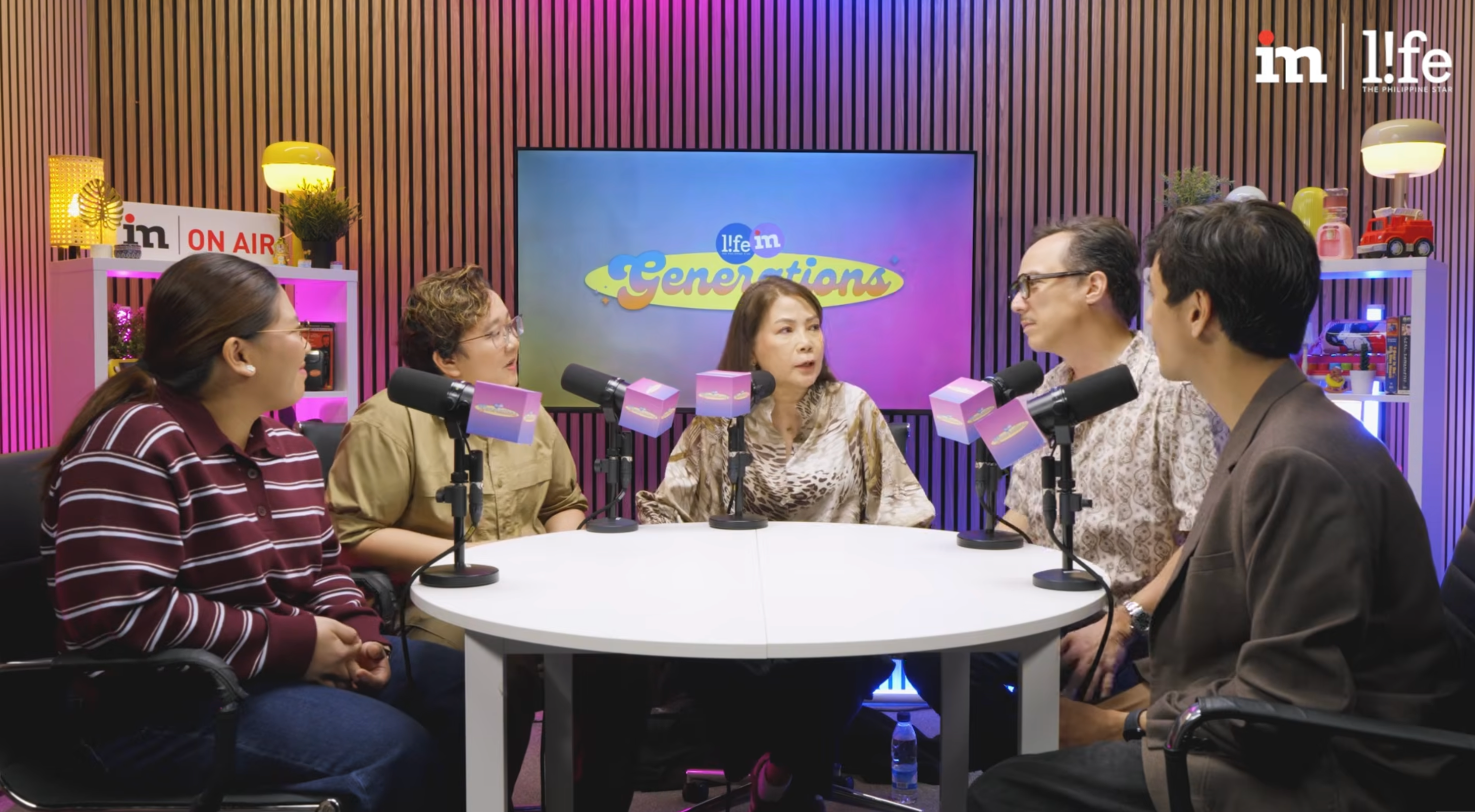
For her part, psychologist Riyan discussed anticipatory grief, which is felt before an impending loss. “Hindi ka talaga makaka-move on sa grief; it’s there. Dadalhin mo siya sa iba’t ibang chapters ng life mo,” she said.
Meanwhile, Raco developed "anticipatory nostalgia" after losing loved ones one after another. It's a tendency to value moments with them while they are happening, knowing they will eventually become memories.
“I have to relish it, I have to live in the moment,” he added.
Death and the afterlife
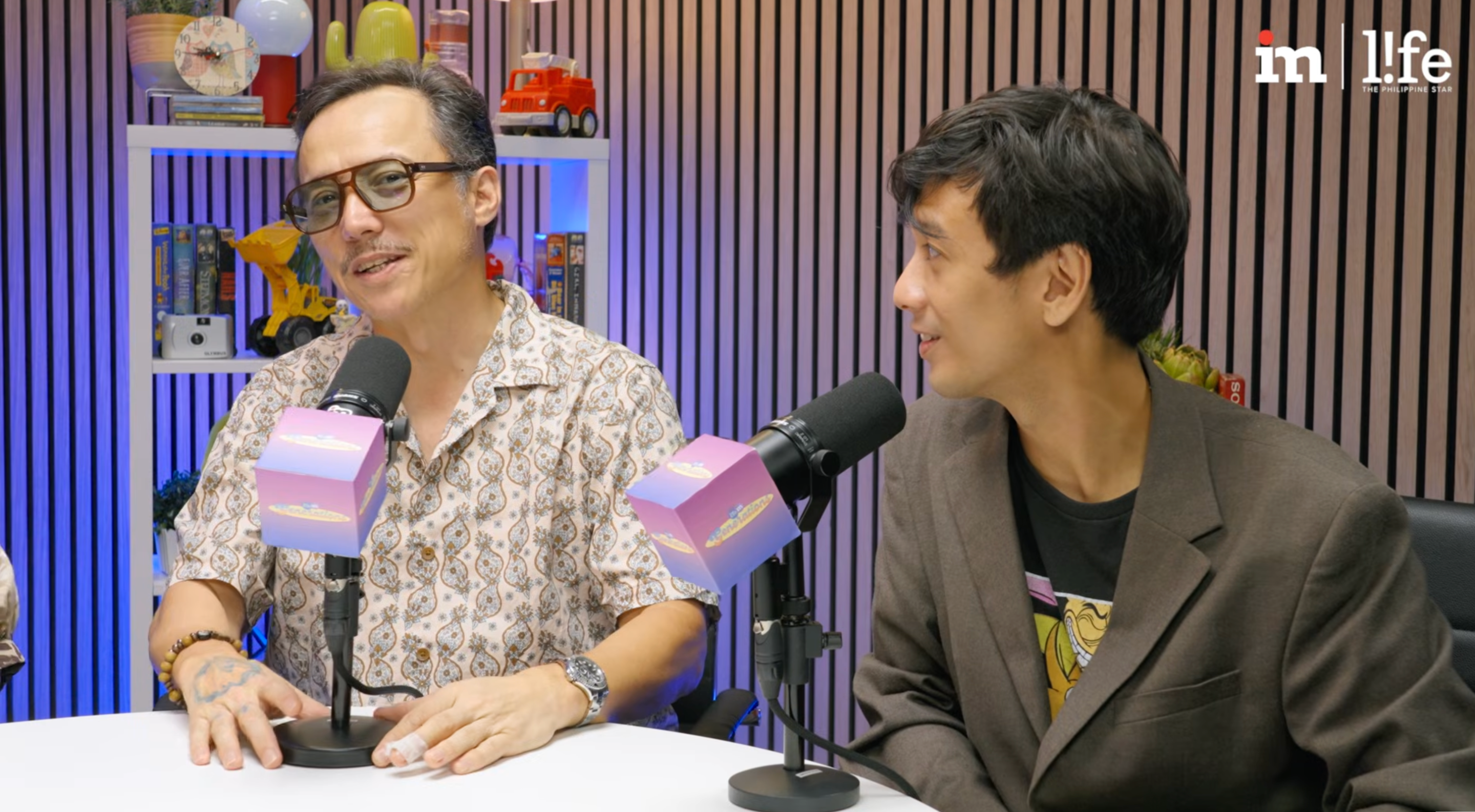
For Epy, one beautiful thing about death is that you can communicate with your departed loved ones anytime and anywhere. He has since made it a habit to talk to his late father, which also helped him cope with grief.
The actor believes in an afterlife following a suicide attempt at age 12. Although he had made peace with his family, he never really got the chance to ask his father if he loved him, especially given that he was one of 18 siblings. He recalled a moment when he longed for Dolphy’s presence and felt as though his dad embraced him. He even remembered smelling the comedy king's familiar scent.
Luchi, a Christian, explained that she views death as a passage to a “perfect life.” She lost her husband, a former national football player, in 2016, nine years after he suffered a stroke and was paralyzed. His wake was a happy one, she recalled, and she imagines him playing football in the afterlife.
On the contrary, Riyan does not believe in an afterlife. Instead, she focuses on the present and cherishes the memories she creates with the person, which she can carry with her through the different stages of life.
"Kung titingnan mo siya at some point, para siyang pessimistic, but at the same time, when you look at it, nandoon din 'yung gift na wala na akong ibang time kundi ngayon lang talaga," she explained.
Abi added that religion can provide people with comfort and a sense of purpose during difficult times. Delving deeper into the topic of death, Epy said he isn't afraid of dying because he has surrendered his life to God. Luchi agreed but admitted that she's afraid of losing someone who means so much to her.
Raco chimed in, saying the afterlife is something "beyond what we can understand as humans."
"There are just things we can't comprehend in these bodies, but I really believe the energy turns into something else that we don't understand," he said.
How do we prepare for death?
Riyan noted that there is no exact way to prepare for someone's death, but the best thing to do is to be more present.
"May tendency talaga tayo na parang hindi natin ma-accept sa mind natin na mawawala na siya. So usually 'yung hardest lesson for us is to experience na ito pala talaga 'yung life, sobrang limited lang siya and kailangan natin [to] make the best out of it," the psychologist said.

The Gen Z content creator admitted that she doesn’t think much about death, but acknowledged that it can come unexpectedly, regardless of age. So, how early should we start preparing for it?
For individuals owning property, one important step is planning how their assets will be managed and distributed after their passing.
Luchi explained that under Philippine law, inheritance is distributed according to legal rules that protect the rights of heirs. However, a person can decide who will receive a portion of their estate that they are free to give away through a last will and testament. This can begin as soon as a person starts building their wealth.
Beyond estate planning, Riyan shared that people can also prepare themselves emotionally by having open conversations with their families during times of illness.
Luchi added that purchasing a memorial plan is another way to help ease the burden on your family when the time comes.
With death and the end of things comes the question: Is it still worth it to love? The group says yes.
"It's more of a reason to do it," Raco emphasized.
"Death is a reason to actually try to make your life meaningful," Abi said. "Someone's not gonna be around after some time. Make it count."
For Luchi, reflecting on death means questioning one’s purpose in life and striving to live with meaning.
"Death should spark us to ask, 'Why am I here? Someone put me here,'" the veteran journalist said. "'There must be a reason for why I am here,' that's what you strive to live," she added.
Watch the full episode below:
Follow PhilSTAR L!fe on YouTube and Spotify to catch new episodes of Generations.

WATCH: Pixar Summer Fest adventure at Hong Kong Disneyland
August 10, 2026
WATCH: Is OPM still as good as it used to be? (Generations Ep. 20)
September 9, 2026