

Can alkaline water really reduce acid reflux? Here's what experts have to say
If you’ve ever dealt with acid reflux, you’ve probably heard all sorts of tips about what to do to keep that uncomfortable burning sensation at bay. One trend that has been gaining attention is drinking alkaline water.
On social media, many users have begun claiming that alkaline water has helped neutralize their stomach acid and provided them relief from acid reflux symptoms.
But can a bottle of alkaline water really make a difference? Before swapping your usual drinking water for a more alkaline option, here’s what experts have to say about its supposed benefits for acid reflux:
Can alkaline water help with acid reflux?

Unlike regular drinking water, alkaline water is higher in pH, meaning it is less acidic. In case you need a refresher on your Science class, pH is a measurement that determines how acidic or basic (alkaline) a liquid is.
CONTINUE READING BELOW

The pH scale ranges from zero to 14, with seven considered neutral. Anything below seven is acidic, while levels above seven are considered alkaline or basic.
Gastroenterologist Dr. Virgil Lo told PhilSTAR L!fe that drinking water is neutral and has a pH of seven.
With this in mind, can alkaline water actually make a difference when it comes to acid reflux?
"It can theoretically work because, unlike conventional drinking water, alkaline water can neutralize pepsin (stomach acid), rendering it inactive," he explained.
However, this has not been proven in large clinical trials, which is why more research is needed to determine whether drinking alkaline water can provide meaningful relief from acid reflux symptoms in the long term.
Meanwhile, fellow gastroenterologist Dr. Jane Estrabela Gargaritano stressed that the use of alkaline water is "not endorsed or recommended by any gastroenterological society, both here in the Philippines and worldwide."
Are there risks to drinking alkaline water?
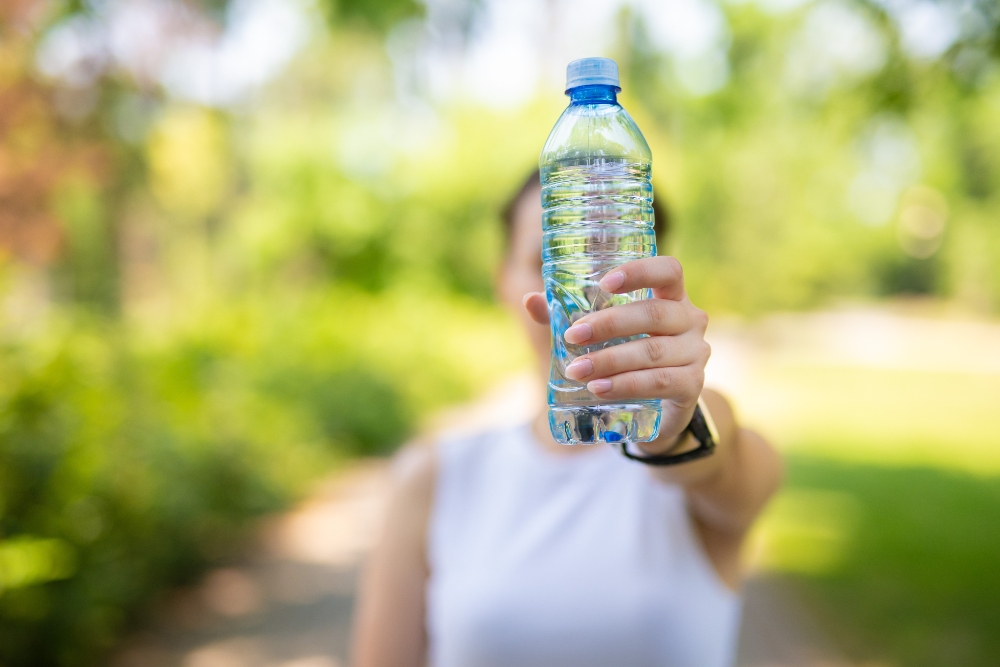
While alkaline water is generally considered safe to drink, there are some things to keep in mind before making it part of your daily routine.
Lo said that the stomach maintains a highly acidic environment, with a pH of two to three, to break down food, control bacterial growth, and absorb nutrients like vitamin B12, iron, and calcium.
"Overconsumption of highly alkaline water can temporarily neutralize this necessary stomach acid. This disruption can result in poor nutrient absorption and bacterial overgrowth in the gut because the protective acidic barrier is weakened," he said.
Drinking alkaline water can also alter the balance of essential chemicals in your bloodstream, which is why certain people may want to avoid consuming it.
"It has been linked to an increased risk of hyperkalemia (high blood potassium levels), especially in patients with kidney disease, as patients’ kidneys may have a hard time filtering the high mineral load in alkaline water," Lo said.
Other ways to reduce acid reflux

If you're looking for ways to keep acid reflux at bay, you don't necessarily have to reach for alkaline water. There are several simple lifestyle changes that may help manage your symptoms.
According to Lo, these include avoiding fatty meals, carbonated drinks, citrus if it triggers symptoms, and excessive exercise.
It's also helpful to eat smaller meals, lose weight, stop smoking, elevate the head of your bed, and sleep on your left side.

WATCH: Save for retirement or enjoy life now? (Generations Ep. 21)
September 16, 2026
WATCH: Is Gen Z too soft? (Generations Ep. 23)
September 30, 2026