

When memories fade: The coming dementia wave
Several years ago, a patient came to my clinic accompanied by her daughter. The daughter did most of the talking.
At first, I assumed she was simply helping her elderly mother remember details of medications and previous consultations. As the visit progressed, however, a different story emerged.
The mother had begun repeating the same questions multiple times each day. She misplaced objects and accused family members of taking them. She occasionally became confused about familiar places. Once, she left the house and could not remember how to return home.
The daughter looked exhausted. The mother looked frightened. Both understood that something important was changing. For many families, this is how dementia begins—not with a dramatic event, but with subtle signs that gradually accumulate until they can no longer be ignored.
And in the coming years, many more Filipino families are likely to face the same experience.
The Philippines is aging. As Filipinos live longer, dementia is emerging as one of the most important health challenges of our time. Beyond memory loss, it threatens independence, family relationships, and quality of life.
CONTINUE READING BELOW

The good news is that growing evidence suggests many cases may be delayed—or even prevented—through healthy lifestyle choices and better control of cardiovascular risk factors. The future of brain health may depend less on miracle drugs and more on the choices we make today.
The price of longevity
Advances in medicine, improved sanitation, vaccination programs and better management of chronic diseases have enabled people to live longer than previous generations. This is a remarkable public health achievement.

Yet longevity brings new challenges. As life expectancy increases, so does the number of people at risk for dementia, characterized by progressive decline in memory, thinking, reasoning and the ability to perform daily activities.
Globally, dementia already affects tens of millions of people. Experts expect that number to increase dramatically over the next few decades.
The question is no longer whether dementia will become a major public health issue. It already is. Perhaps the most heartbreaking aspect of dementia is that it affects the very qualities that make us who we are. Memories. Relationships. Stories. Identity.
Many illnesses attack the body. Dementia attacks the biography.
Families often describe it as a gradual disappearance. The person remains physically present, yet familiar pieces of personality, memory, and independence slowly fade.
It is a disease that affects not only patients but entire families. The emotional burden on caregivers can be immense. This is why early recognition is so important.
Warning signs, not ‘normal aging’
Many people dismiss warning signs as “normal aging.” They are not always the same.
Normal aging may involve occasionally forgetting where you placed your keys and later remembering where they are. Dementia may involve forgetting what keys are for.

Normal aging may require more time to recall a name. Dementia may involve forgetting the names of close family members.
Among the early warning signs are increasing memory problems, difficulty managing finances, trouble following conversations, confusion about time or place, personality changes, and challenges performing familiar tasks.
Recognizing these symptoms early allows families to seek medical evaluation and plan appropriately. Yet perhaps the most encouraging development in dementia research is a growing realization that brain health is not entirely beyond our control.
For many years, dementia was viewed almost as an unavoidable consequence of aging. Today we know better. While age and genetics remain important risk factors, numerous studies suggest that lifestyle and cardiovascular health significantly influence cognitive outcomes later in life.
What is good for the heart appears to be good for the brain. This should not surprise us. The brain depends on a rich network of blood vessels delivering oxygen and nutrients every second of every day.
Preventing dementia
When those blood vessels are damaged by hypertension, diabetes, smoking, obesity, or elevated cholesterol, the brain may suffer as well. Among all modifiable risk factors, blood pressure control deserves special attention.
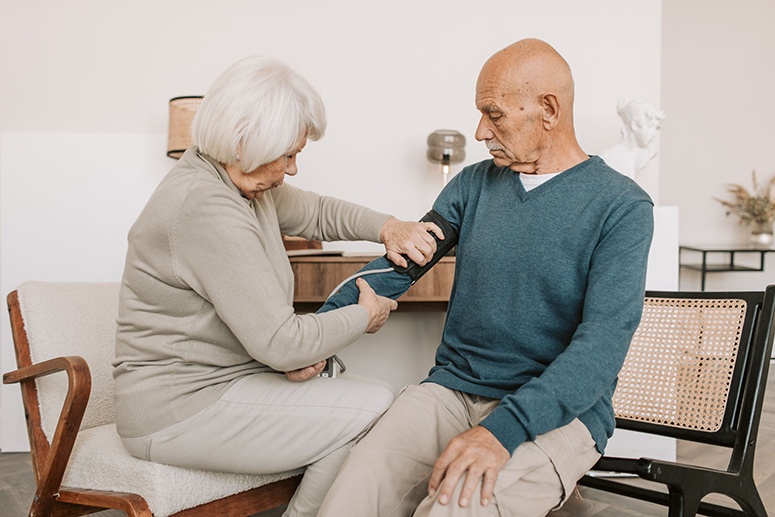
Hypertension is often called the silent killer because it damages organs for years before symptoms appear. Less appreciated is its impact on the brain. Persistently elevated blood pressure increases the risk of stroke, vascular dementia, and cognitive decline.
Protecting the brain may begin with something as simple as monitoring and controlling blood pressure.
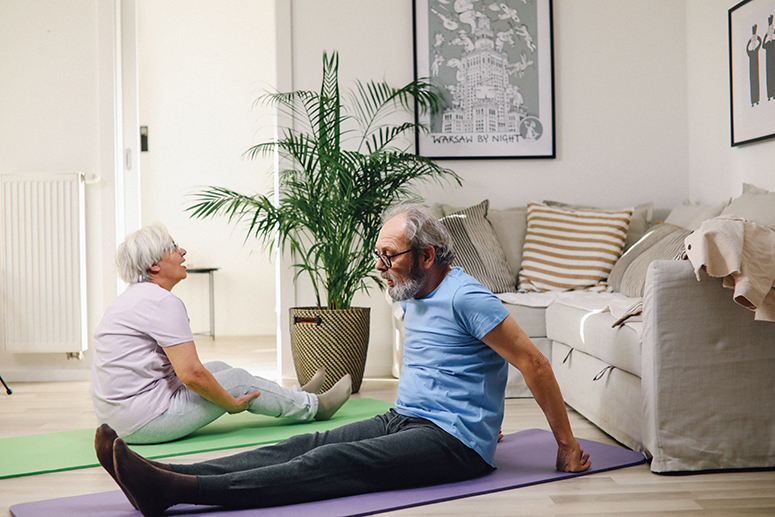
Exercise also plays a crucial role. Physical activity improves blood flow, supports cardiovascular health, reduces inflammation, and appears to promote beneficial changes within the brain itself.
People who remain physically active throughout life generally demonstrate better cognitive outcomes than those who are sedentary. The benefits extend beyond muscles and joints. Movement nourishes the mind.
Equally important is social engagement. Human beings are not designed for isolation. Meaningful conversations, friendships, community involvement, volunteer work, religious participation, and family interactions all stimulate the brain while supporting emotional well-being.
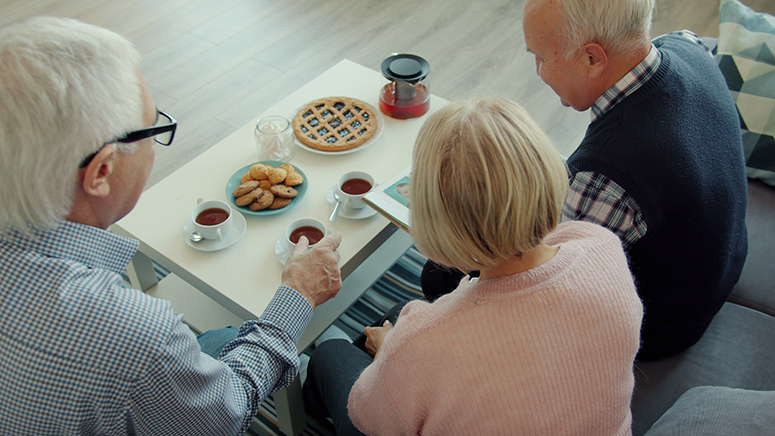
Some researchers now regard loneliness as a significant health risk, comparable to other established risk factors. A brain that remains socially engaged is a brain that remains active.
Lifelong learning also matters. Reading, learning new skills, playing musical instruments, solving puzzles, studying languages, and engaging in intellectually stimulating activities help build what scientists call “cognitive reserve”—the brain’s ability to adapt and compensate for age-related changes.
In essence, the brain benefits from exercise just as the body does. Use it or lose it.
Despite tremendous scientific advances, there is currently no cure for most forms of dementia. That reality makes prevention even more important. The most effective strategy may not be found in a future laboratory breakthrough but in the everyday choices we make today.
Healthy eating. Regular exercise. Good sleep. Blood pressure control. Lifelong learning. Meaningful relationships. These habits protect far more than the heart.
They help preserve memory, independence, and dignity.
As our population ages, the coming dementia wave will challenge families, healthcare systems, and policymakers alike. But it also offers an opportunity. An opportunity to rethink aging. An opportunity to invest in prevention. An opportunity to recognize that brain health is not merely a neurological issue—it is a public health priority.
Because when memories begin to fade, what is truly at stake is not simply recall. It is the preservation of the stories, relationships, and experiences that define a life.
And few things are more precious than that.

WATCH: Is Philippine cinema still thriving? (Generations Ep. 19)
September 2, 2026
WATCH: Save for retirement or enjoy life now? (Generations Ep. 21)
September 16, 2026