

Call her Meme
Vice Ganda raised me.
Watching her as a kid was validating. Although queer characters and personalities have existed before her, their queerness was often diluted and relegated to comic relief. Most actors who were gay typecasts were not even queer or, at least, were keeping a safe distance from queerness. Vice was one of the very few openly gay icons.
While her peers tried to be palatable to heterosexual audiences, she was being camp. She wore colorful wigs, gender-bending clothes, and teddy-bear shoes. She didn’t shy away from being seen. With her quick-witted sarcasm and observational comedy, she took up space. Despite being loudly queer at a time when queerness was considered less marketable, she was well-loved.
As a kid, she was who I thought I should be—sharp, intelligent, and unapologetic. Because she was funny, I tried to be funny. “May nag-text,” was my catchphrase. Sarcastic punchlines were my jokes. When she dominated game shows as a guest and eventually rose to fame as an unkabogable star, I celebrated. She successfully navigated a world designed against her, and it made me feel I could do the same.
But Vice was far from perfect.

Her films were riddled with one-dimensional queer characterizations, such as her character in Praybeyt Benjamin (2011): Benjie, a gay soldier with a tendency to be boy-crazy. He tends to lose his mind when attractive men are around, a depiction that sometimes borders on being perverted. In a scene-turned-internet meme, the character is shown lewdly dancing between two men.
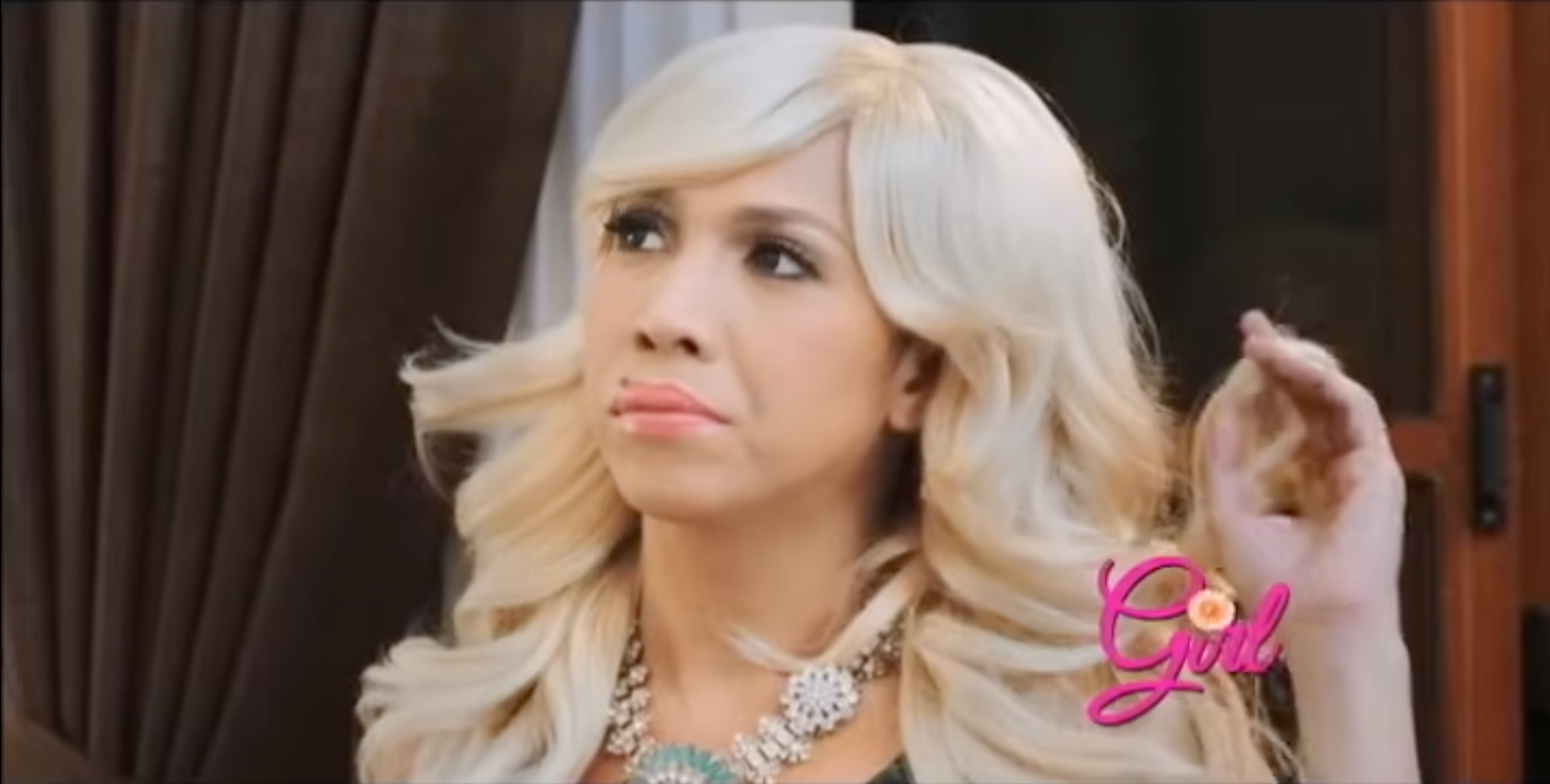
Her earlier films also reinforce patriarchal views on gender. In Girl, Boy, Bakla, Tomboy (2013), all of her characters were personifications of gendered stereotypes. Girlie (Girl) was frivolous and a rival for a man’s validation, while Peter (Boy) was prim and logical. Mark (Bakla) was over-the-top and resentful, while Panying (Tomboy) was soft-spoken and street-smart. In the movie, masculinity is desired and femininity is the subject of sexist jokes, usually about their body, skin color, and intelligence.
Sadly, these aren’t just in films. Vice was once the center of controversy when, in her concert, she made an offensive joke about Jessica Soho’s weight and made a “gang rape” remark. Soho and women’s rights groups condemned this, emphasizing that rape is never a joke. Vice subsequently apologized, which Soho acknowledged. This exchange sparked conversations on the boundaries of comedy and the sensitivity required in discussing issues like sexual violence.
Perhaps it was a shift in my personal values, but there came a point when it no longer felt right to be associated with Vice’s on-screen persona. While I am still loudly and proudly queer, it was uncomfortable being thought of as boy-obsessed or someone who’s okay with laughing at women for their size or skin color.
Some would say that her jokes are not meant to be taken seriously, but what we choose to laugh at still reinforces regressive beliefs. Because box office hits often portray queerness as laughable, it validates the idea that gay men are not to be taken seriously. At work, to this day, some coworkers joke about my sexual orientation, as if my queerness has anything to do with how I do my job. It’s the same sexist logic, which I regrettably partook in, that equates women’s value to their bodies through jokes and casual remarks that they’re too fat, too thin, or too dark—contributing to unhealthy and often unattainable beauty standards.
I no longer wanted to be like her.
Maybe it’s wisdom that comes with age or our changing times, but recently, there’s been an evident evolution in her public image. Characters in her movies And the Breadwinner Is… (2024) and Call Me Mother (2025) have grown from boy-crazy caricatures to becoming more nuanced and more human. The on-screen bading is still funny, but they no longer feel the need to mask their vulnerability with comedy.
Outside of films, her jokes have also become more satirical—more critical of the government and the different controversies it finds itself in. Beyond television, she’s actively participated in political campaigns and has been more involved in her advocacies. She’s openly expressed dissent against corruption, abuse of power, and inequality.
From her first film to the glimpses of her private life she chooses to share, Vice Ganda has shown beautiful possibilities of what a queer life could be.
This change in her on-screen persona proves that queer people can be so much more than just a background novelty and comedic relief. We’re allowed to be funny but also tired, frustrated, and active participants in advocating for an inclusive society.
In spite of the contradictions, I consider myself lucky to have been parasocially raised by Vice Ganda. Growing up, I had her to borrow confidence from in moments when I would rather be someone else. She never toned down her identity. While there were times when she was less than perfect, what remains is how she’s consistently advocated for the queer community.
From her first film to the glimpses of her private life she chooses to share, like her marriage to Ion Perez, Vice has shown beautiful possibilities of what a queer life could be. I used to fear that I would end up alone and that I would only ever be successful as the world allowed. But seeing her on screen and how she’s loved by many, I learned to hope for the better.
Diminishing our queerness shouldn't be a requirement for success and love, nor should it be limited to a few. In her Love Laban speech, Vice even said, "Dahil ang pribilehiyo ngayon ay hindi dapat maging pribilehiyo mo lang—dapat maging karapatan 'yan ng bawat isa.” Like the characters she’s played, we should be allowed to be whoever we wish to be, whether that is a serviceman, an entrepreneur, or a mother.
