

Phone etiquette 101: When should you text first—and when should you call?
Imagine this: You're having one of those moments when you’re taking things slow—having that first cup of coffee, finishing a few tasks, or watching your favorite series—when suddenly, your phone rings. Whether it’s an unknown number or someone you know, getting an unexpected call can make you pause for a moment and wonder what it’s about.
Unexpected calls can catch you off guard, feeling panicked or even a little annoyed. Whether at work or when you're off the clock, knowing when—and how—to call or text is an essential part of modern etiquette.
But how do you decide whether to call or text someone, and when is one more appropriate than the other? Etiquette experts Tracy Que and Ingrid Nieto said that it all depends on the situation and your relationship with the person.
Que, who teaches modern etiquette and shares her expertise on Instagram through @etiquettebytracyque, told PhilSTAR L!fe that texting is generally the more thoughtful choice for routine matters, allowing people to reply at their convenience. Calls, she noted, are better reserved for situations that require immediacy, nuance, or a more involved conversation.
She added that in business settings, it’s courteous to message first—unless a call is already scheduled or customary—to check if it’s a convenient time to talk.
Meanwhile, Nieto, an image consultant, said the choice between texting and calling depends largely on the recipient’s preference, noting that asking how they prefer to be contacted is a thoughtful gesture. She also emphasized that sensitive matters are better discussed over the phone.
CONTINUE READING BELOW

"Messages that are sensitive in nature and have the likelihood of being misinterpreted through a block of text are best conveyed through a phone call," she said, adding that texts are best kept short and used for quick questions, updates, details, or reminders.
Is it rude to decline a call?
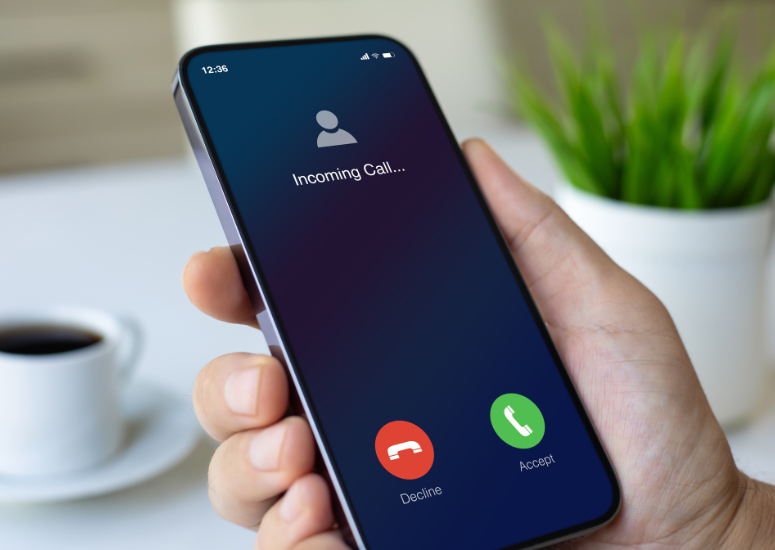
Both etiquette experts agreed that declining a phone call is not necessarily considered rude, particularly when the person is unable to answer at the moment. However, they emphasized the importance of acknowledging the call and communicating appropriately with the caller.
Que explained that declining a call depends on the situation. When unable to answer, she prefers letting it ring and later sending a brief and clear message, like, “Sorry I couldn’t pick up—I’m in the middle of something. May I call you back around 4:00?”
She emphasized that acknowledging a missed call and providing a callback time can prevent misunderstandings. She added that texting is acceptable when the concern can be easily addressed that way, but callers should not be left uncertain, especially when the call may be important.
Nieto echoed this. She also emphasized that callers should respect the recipient’s availability. If someone declines a call and explains that it is not a good time, the caller should respect their response rather than repeatedly calling. She suggested briefly explaining the reason for the call so the recipient can better understand the urgency or purpose of the conversation.
When to prioritize a call
Nieto said that in a professional setting, teams should establish clear communication policies and response times. She advised avoiding work-related calls after hours and using text messages for non-urgent matters, while making it clear that no immediate response is expected.
She also stressed being mindful of time zones when working with international teams. For family, communication can be more flexible and should depend on the relationship and situation.
For Que, the urgency of the situation matters more than your relationship with the caller. She said that whether the call comes from a boss, family member, doctor’s office, or someone dealing with a time-sensitive matter, the circumstances should determine how quickly one responds. At the same time, people should recognize that others may not always be available, even when the caller is important.
She added that good communication etiquette works both ways.
"It means making an effort to be responsive, but it also means respecting that another may be working, resting, spending time with family, or simply unable to take a call at that moment," she said.
"If something is truly urgent and that person doesn’t answer, I think it’s helpful to follow up with a brief text saying so. A simple 'Please call me when you can—it’s urgent' gives the missed call some context without creating unnecessary alarm," she added.
Dos and don'ts of calling or texting
Que and Nieto have shared some tips on the dos and don’ts of calling and texting to help you contact others respectfully. Here are a few things you should keep in mind:
Do text first before calling
Nieto reiterated that texting before calling someone always shows good manners.
"You want to know if it’s a good time to call as they might be busy, sleeping, deep at work, attending to someone, or not in the right headspace to pick up a call," she said.
Que added that a quick 'Are you free for a call?' text is a small yet thoughtful gesture to check the other person’s availability.
They noted that in emergencies, calling immediately is appropriate, especially when urgent texts go unanswered. However, with close family and friends, it may depend on their usual communication habits.

Don't assume that someone is always available to respond
Que said that one of the most common mistakes people make is assuming that just because someone can be reached at any time, they should always be available.
"For business colleagues, I generally avoid calling or texting before or after reasonable business hours unless the matter is genuinely urgent or we’ve already agreed otherwise. Their time outside work is their personal time, and I think that deserves to be respected," she told L!fe.
She added that this consideration can also be extended to family and friends.
"Just because our relationship is personal doesn’t necessarily mean someone is always available. Late-night calls, repeated calls when someone hasn’t answered, or expecting an immediate response to every message can unintentionally put pressure on people," she explained.
Do watch the tone of your text
Que pointed out that tone is an important aspect that is often overlooked when communicating through text. Unlike face-to-face conversations, she said text messages do not convey facial expressions or vocal tone, which can easily lead to misunderstandings.
"Something very brief or abrupt may sound perfectly harmless to the sender but may come across differently to the recipient," she explained.
"If a conversation is becoming emotional, sensitive, or prone to misunderstanding, that may be a sign that it’s better to pick up the phone rather than continue going back and forth by text," she added.
Nieto likewise reminded people to always start by introducing yourself when reaching out to a person for the first time, including mentioning where you got their number and the reason you're reaching out to them.
Don't discuss private matters in public spaces
Nieto also emphasized the importance of keeping your voice at an appropriate volume and asking for permission before putting someone on speakerphone. She added that you should remember to be mindful of those around you, as they may not want to overhear private conversations.
Likewise, Nieto stressed the importance of being considerate of the other person’s time. Before making a call, callers should clearly explain the reason for contacting someone and avoid unnecessarily prolonging the conversation or taking up more of the person’s time than needed.

WATCH: Pixar Summer Fest adventure at Hong Kong Disneyland
August 10, 2026
WATCH: Why is it so hard to make friends? (Generations Ep. 26)
October 21, 2026