

REVIEW: 'Visionquest' is a bold, introspective superhero story
“What is grief, if not love persevering?”
This was the question posited by 2021’s WandaVision, a series that marked Disney+’s first foray into small-screen Marvel Cinematic Universe content. Using the narrative device of classic American sitcoms, the series dealt with Wanda Maximoff’s (Elizabeth Olsen) grief following the death of her beloved Vision (Paul Bettany) at the hands of Thanos in 2018’s Avengers: Infinity War. What could have been a campy, self-referential supplement to the MCU went on to become one of the year’s most acclaimed TV series, and rightfully so.
This week, the House of Mouse released a follow-up in VisionQuest, but with the MCU having proven wildly uneven in the years since, can the new series live up to WandaVision’s legacy?
The series reintroduces us to the latest version of the Vision android, built from the remains of the original, as he ekes out a modest living in Edinburgh. Posing as a human, Vision’s days are spent working in a local pub, with evenings reserved for reliving his recorded memories, minus the traumatic events of the recent past.
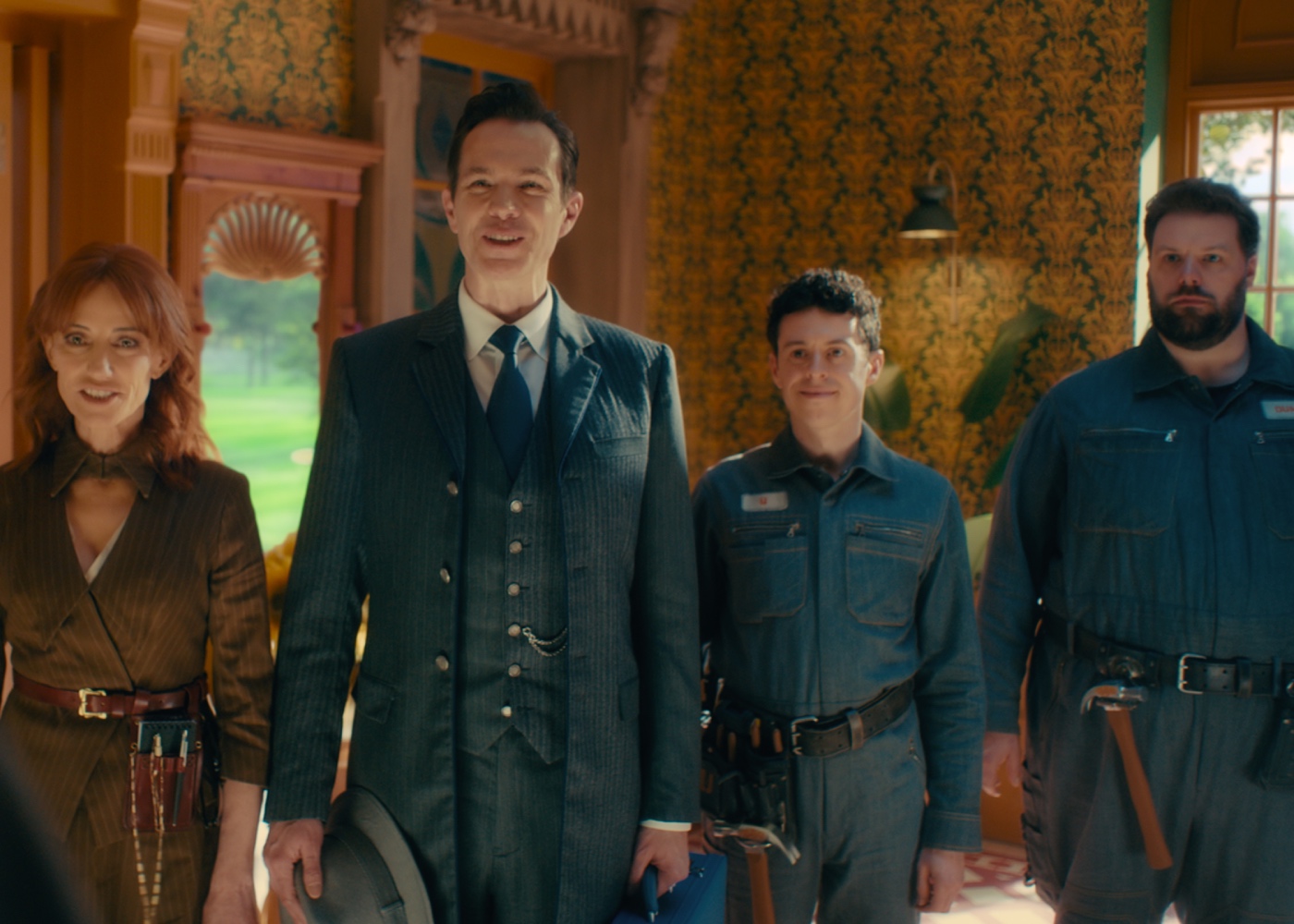
Internally, Vision has created a virtual world that he occupies with personifications of previous Stark A.I. programs, including J.A.R.V.I.S (James D’Arcy), F.R.I.D.A.Y (Orla Brady), and E.D.I.T.H (Emily Hampshire). With the further A.I. presence of Tony Stark’s infamously unreliable robotic helpers, D.U.M.E. (Henry James) and U (Jonathan Sayer), it’s basically the MCU’s answer to Inside Out; that is, if Pixar had thought to include the mass-murdering Ultron (James Spader) program that nearly destroyed the Avengers.


As Vision learns—the hard way—that one can only deny their past for so long, Ultron unleashes a series of events that will send all of the erstwhile Stark programs on an extraordinary journey. This being an MCU show, however, the fact that said journey places the entire world in jeopardy is par for the course.
As presented by showrunner Terry Matalas (whose TV work includes the excellent Picard Season 3 and 12 Monkeys), VisionQuest expands on WandaVision’s themes of grappling with loss while also telling an engaging story that fleshes out elements of the MCU’s previously hinted-at past. Best of all, unlike 2022’s Multiverse of Madness film (which largely ignored WandaVision’s character development to position Olsen’s Scarlet Witch as a villain) the new series embraces the previously-established material, confronted here by the now-rudderless Vision.
In the lead, Bettany has never had a showcase like this, and he rises to the occasion, delivering a career-defining performance that allows the audience to empathize with his synthetic creature while making us wonder just how (or why) he managed to hide this acting ability all these years.
Rounded out by an impressive secondary cast of established and up-and-coming names, VisionQuest blends concepts of emotional trauma and found family with arguments of nature vs nurture without ever losing sight of the show’s position in a superhero franchise.
Spader as Ultron is reliably superb; over a decade after his skills were woefully under-served by Avengers: Age of Ultron’s half-baked execution, the potential of his casting is fully realized. Over the course of eight episodes, Spader goes all-in on his signature amoral genius persona, providing a deliciously condescending counterpoint to Vision’s self-imposed angst. Sure, he still wants to kill all humans, but—unlike real-world A.I.—he’s developed a begrudging respect for the art that our inherently self-destructive species has somehow managed to create. Simply put, Spader’s talent for portraying self-satisfied confidence is put to splendid use.
Vision’s and Ultron’s explorations of their respective identities as they relate to humanity drive the narrative, with the latter fearing the pain that opening himself fully would inflict, even as his self-proclaimed “father” believes that pain defines the human experience. It makes for a good central conflict, and, who knows, had these ideas been used back in 2015, Age of Ultron might have actually been compelling.
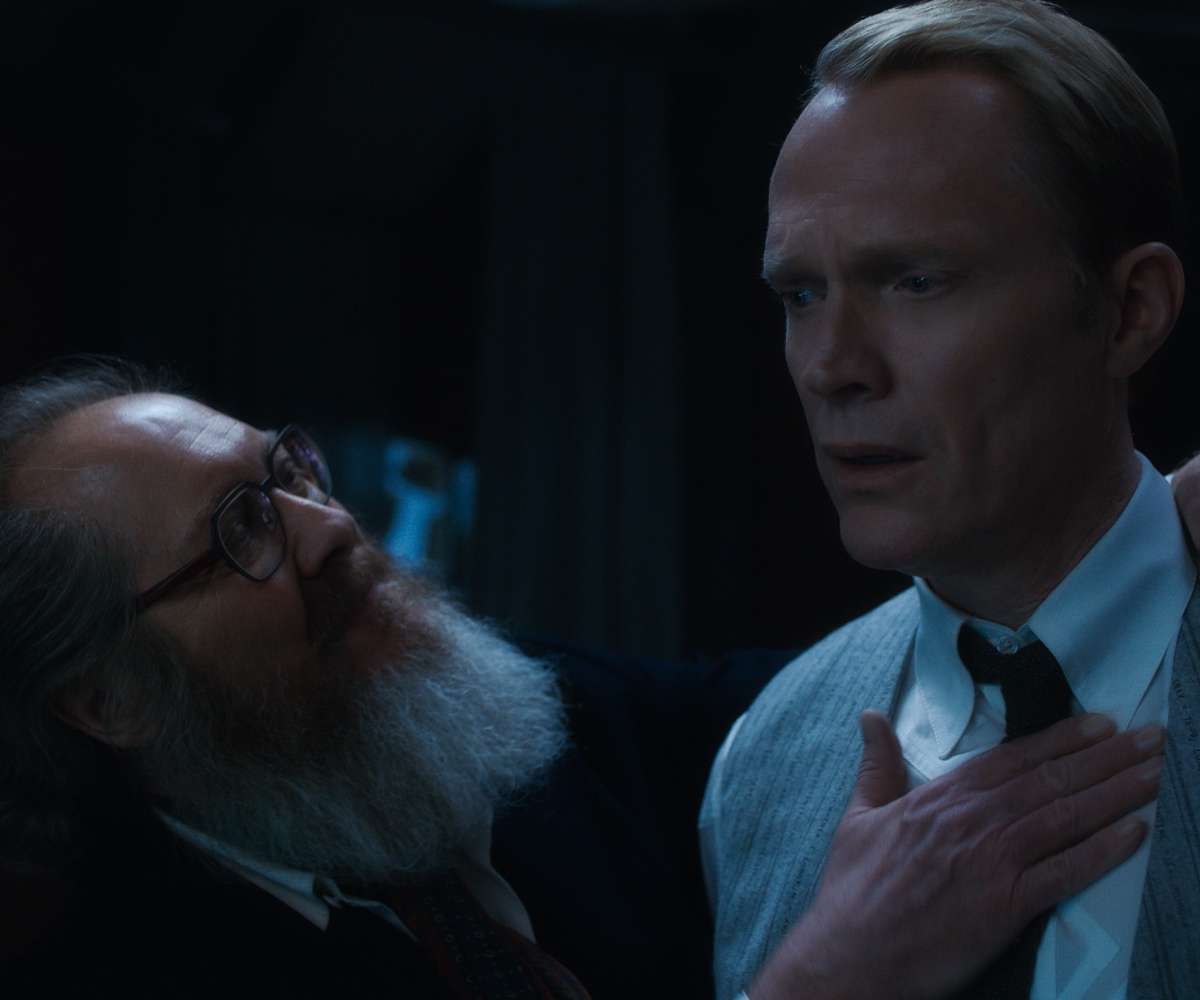
Just as WandaVision leveraged the iconography of classic television shows to reflect Wanda’s emotional damage, VisionQuest renders its hero’s digital existence in full-on uncanny valley-ness, utilizing everything from abstract visualizations to minimalist stagecraft, to great effect. The brief glimpses we get of the “real” world help ground the proceedings, with modern-day Edinburgh and London providing a welcome visual break from the usual U.S.-based settings these stories usually take place in.
Concessions to the superhero genre notwithstanding, the main story is strong enough to the point that subplots of world-ending nanobots and multiple red herring villains with tragic backstories are somewhat superfluous. Thankfully, these aren’t enough to derail the show, and their inclusion as narrative devices are rendered somewhat justified based on the strength of Bettany and Spader’s character work.
All told, VisionQuest is a bold entry that joins the likes of Wonderman, Daredevil: Born Again, and Spider-Man: Brand New Day in making a compelling case for the continuation of this long-running franchise. Indeed, while films like Thor: Love and Thunder and Ant-Man: Quantumania felt like contractual obligations, and TV offerings like Secret Invasion being downright execrable, VisionQuest is notable for how it grows its established characters, smartly avoiding the trap of spectacle over story to tell an introspective, emotional tale that could have only happened in the MCU.
PhilSTAR L!fe was granted preview access to Season 1 of VisionQuest. The two-episodes premiere is now streaming on Disney+

WATCH: Can we talk about death and grief? (Generations Ep. 25)
October 14, 2026
WATCH: Is Philippine cinema still thriving? (Generations Ep. 19)
September 2, 2026
WATCH: Do you still believe in marriage? (Generations Ep. 17)
August 19, 2026