

Beyond K-beauty: The rise of C-beauty and P-beauty
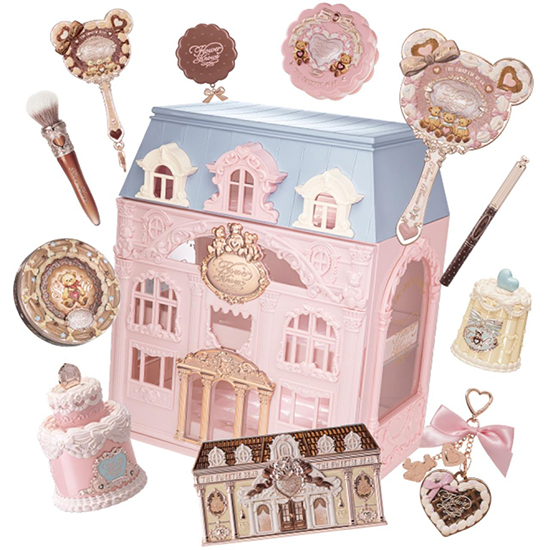
The first time I came across Flower Knows online, I was not entirely sure what I was looking at. Was it makeup? A dollhouse? A prop from a period drama? The blush compact resembled an antique music box, the lipstick looked like it belonged to a princess, and some collections were packaged in dollhouses; one even looked like a miniature palace. Then I came across a Flower Knows pop-up in Seoul last year, and it awakened the young lady in me: the girl-girl who loves dolls, flowers, teddy bears, lace, glitter and all things pretty. This was my introduction to Chinese beauty products.
Somewhere between admiration and bewilderment, I found myself doing what millions of women do: adding beauty products to my cart not because I needed them, but because something appealed to me and they told a story.
.
Beauty, after all, has never really been just about beauty. It is about aspiration, fantasy, personality and, increasingly, identity. Right now, Asian beauty has a clear hierarchy.
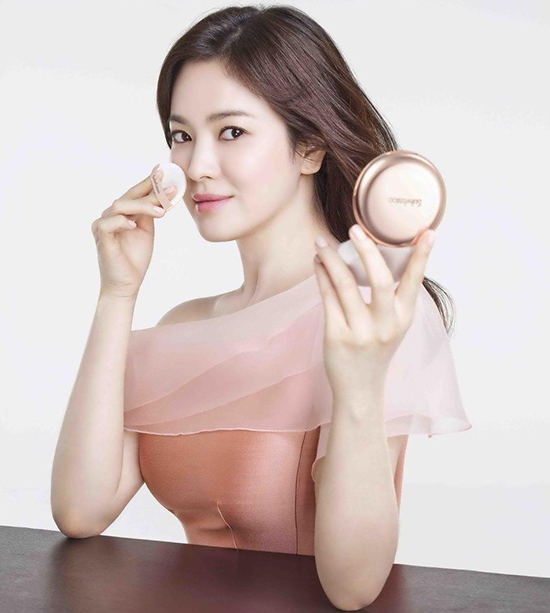
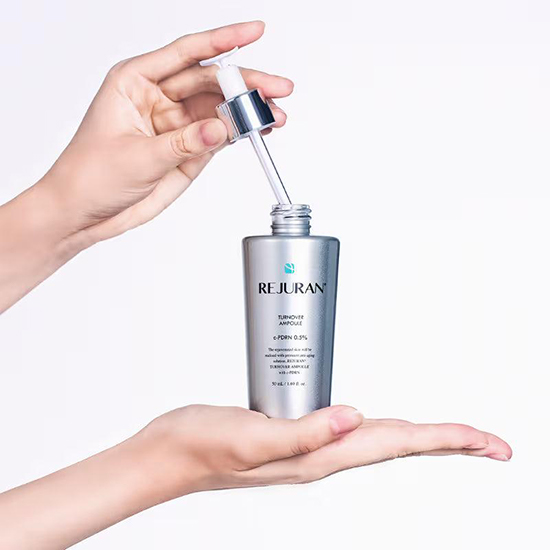
K-beauty or Korean beauty sits comfortably at the top, producing glass-skin serums, cushion compacts, snail mucin, PDRN and the possibility of waking up with the flawless skin of Korean stars. Hello, Song Hye Kyo, Jun Ji-hyun, and Kim Taeri. This while trying to figure out whether serum goes before moisturizer or after, and whether we really need all 12 products in our skincare routine.
CONTINUE READING BELOW

K-beauty remains the reigning queen. Walk into any mall in Manila, and you will find shelves lined with Laneige, Sulwhasoo, Innisfree, Medicube, COSRX, Rejuran, Rom&nd, and Beauty of Joseon. And a trip to Korea is not complete without shopping at an Olive Young to buy cosmetics. Korean beauty perfected the formula long ago: serious research and development, clever marketing, gorgeous packaging and, perhaps most importantly, a Korean entertainment industry filled with people whose skin appears to have been retouched for Instagram, but is not.
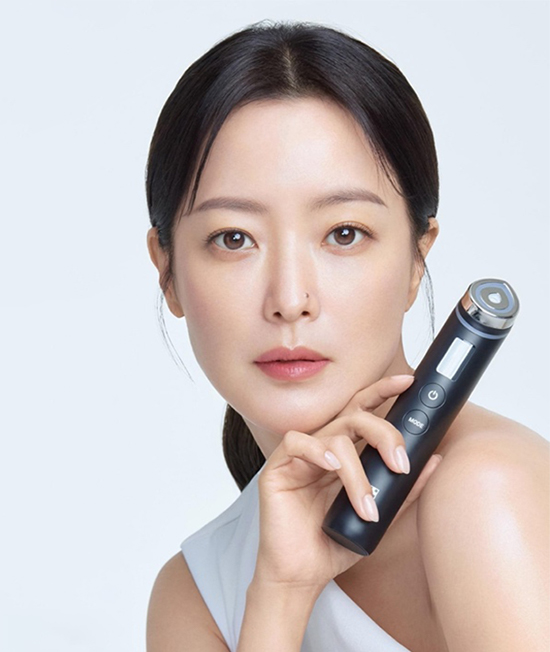
Korea exports much more than skincare—it exports an aspiration. We want the lip tints our favorite actresses wore, the sunscreen endorsed by K-pop idols, and the cushion foundation tucked inside the handbags of drama heroines. K-beauty transformed beauty products into cultural artifacts. Buying a moisturizer no longer felt like buying a moisturizer. It felt like buying a tiny piece of Seoul.
But beauty, like fashion, is restless. And while K-beauty still dominates, two new players are making noise: C-beauty or Chinese beauty, and P-beauty, our very own Filipino beauty movement. I have been reading a few articles on this, and have been cheering on our very own Philippine-made products, which deserve the recognition.
These are all Asian beauty products, obviously, but from how I see it, they are all selling entirely different dreams. K-beauty sells aspiration. It promises that with enough toner, essence, ampoules and commitment, you, too, can achieve the complexion of a K-drama heroine who somehow looks radiant even while crying in the rain.
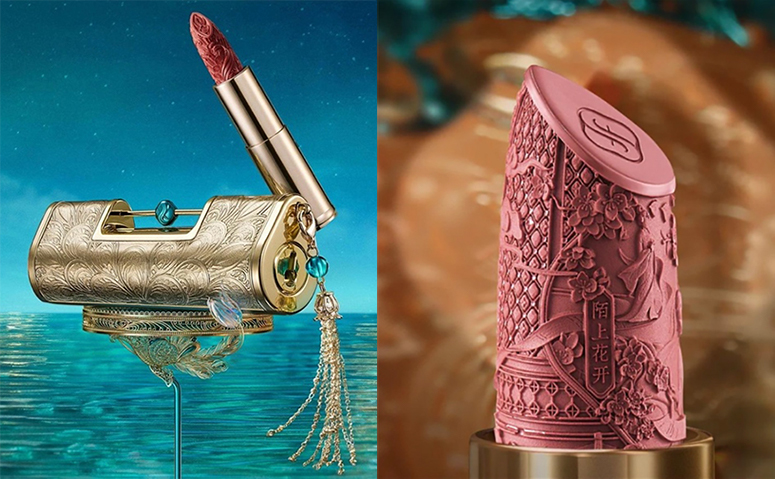
C-beauty sells fantasy. If you have ever fallen down the TikTok rabbit hole and emerged 45 minutes later contemplating whether you need a blush compact shaped like an antique music box, chances are you have encountered C-beauty. Brands such as Florasis (Huaxizi), Flower Knows, Perfect Diary, Judydoll, Joocyee, and Into You have exploded in popularity, especially among younger consumers.
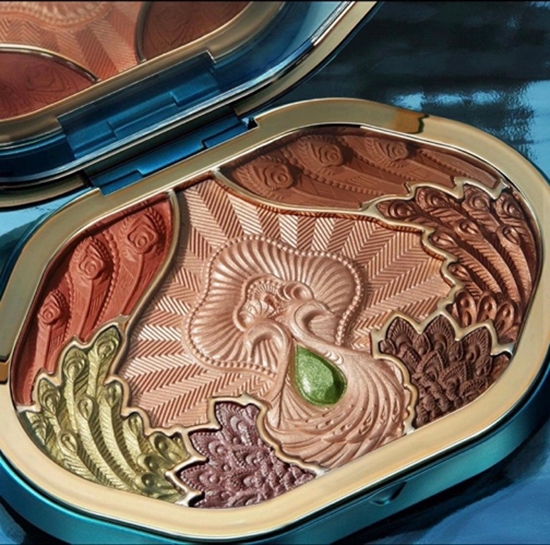
Flower Knows, in particular, seems to operate on the principle that makeup should come packaged as though it belonged to a Victorian dollhouse. Its powder compacts look like heirlooms. Its lipsticks arrive in ornate cases. Florasis (Huaxizi) has taken a different route, drawing inspiration from traditional Chinese art and craftsmanship. Its embossed powders are so intricate that using them almost feels sacrilegious. Imagine an ornate eyeshadow palette called the “Hundred Birds Paying Homage to the Phoenix” with the powder shadows themselves embossed with birds and floral patterns inspired by Chinese carvings. That’s just an eyeshadow palette, folks, the opposite of minimalist packaging for sure. C-beauty also has brands that are trendy, youthful, playful, and attractive to Gen Z consumers.
I sense confidence in C-beauty. China is no longer content to manufacture products; it wants to shape beauty trends, too. An important contributor to these Chinese brands lies in their speed. They were practically born on social media, helped by livestream selling, influencer culture, and the fast pace of online trends. New collections appear at alarming frequency, often accompanied by packaging so beautiful that one wonders whether anyone actually intends to use the products or simply collect them.
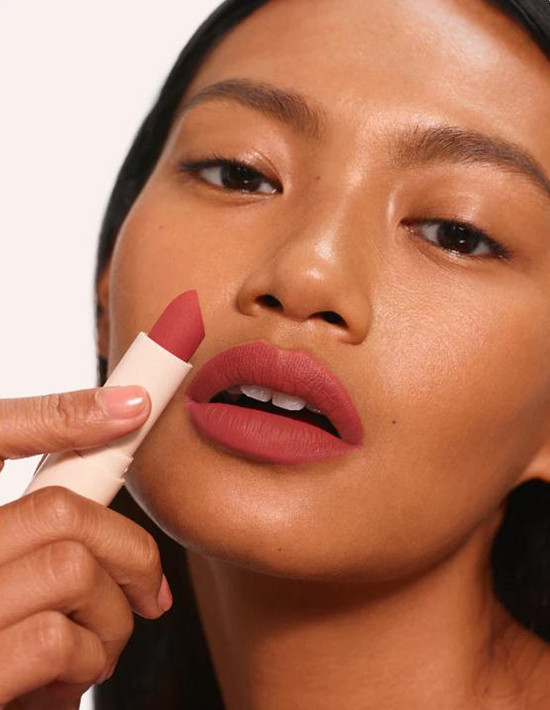
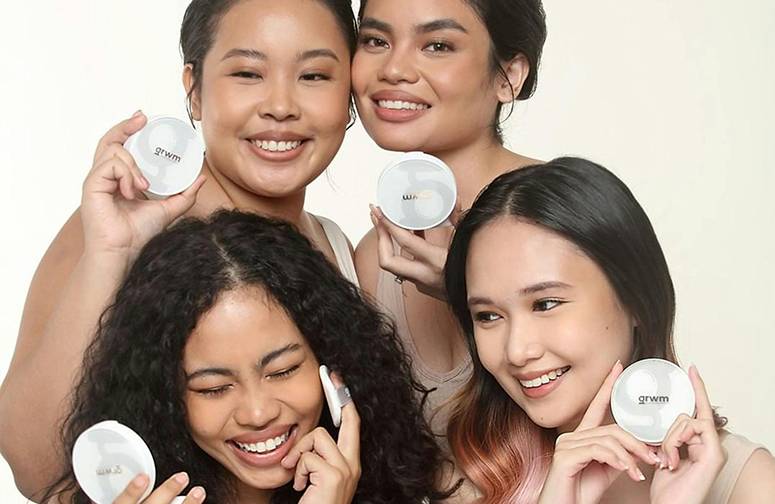
Then there is P-beauty, which, unlike its Korean and Chinese cousins, is not trying to transport us to a fantasy world. P-beauty understands that beauty in the Philippines is not a leisurely affair. It must survive humidity, sudden downpours, three-hour traffic jams, and the unique challenge of looking fresh all day. Local brands have quietly become sophisticated powerhouses. Sunnies Face brings sleek minimalism and a perfectly made face. Issy elevates the local beauty game with elegant packaging and customizable palettes. Colourette champions inclusivity and empowerment, plus complements our Morena skin tone. GRWM Cosmetics encourages experimentation and is popular among makeup enthusiasts. Meanwhile, veterans such as Ever Bilena, Careline, and Nichido continue to prove that affordability never goes out of style.
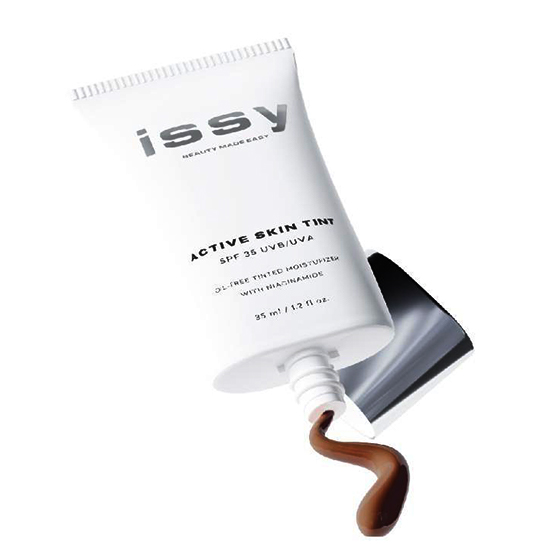
P-beauty’s greatest strength may be that it knows exactly who it is. We need products that can withstand Manila summers in May. We want skin tints that do not melt by lunchtime, lip products that survive coffee and shades that flatter Southeast Asian skin tones.
Of course, K-beauty still reigns supreme. Korea’s cosmetics industry benefits from decades of investment, world-class laboratories, and the formidable marketing power of K-pop and K-dramas. It remains the benchmark against which everyone else is measured. But something interesting is happening: C-beauty is building entire fantasy universes, one embossed compact at a time; while P-beauty is proving that local brands can compete not by copying global trends but by understanding the local climate better than anyone else.
One bottle promises glass skin. Another arrives in a box fit for royalty. A third simply promises to still look put-together in the middle of EDSA traffic. The names on the labels will change, new beauty capitals will emerge, but our endless search for beauty, in whatever language or packaging it comes, will always endure because beauty is forever.

WATCH: Save for retirement or enjoy life now? (Generations Ep. 21)
September 16, 2026