

P20 banig creations and more precious finds at Likha
As an archipelago of over seven thousand islands, the Philippines is as diverse as its many ethnic groups, tribes, and cultures. Shaped by varying geography, language, religion, and means of livelihood, what we have in common is our innate artistry and skillfulness.
From the mountains of the Cordilleras in the north, to the seafaring peoples of the south, and all the other islands in between, the country has produced a wealth of traditional crafts ranging from weaving to woodwork, metals, and embroidery.
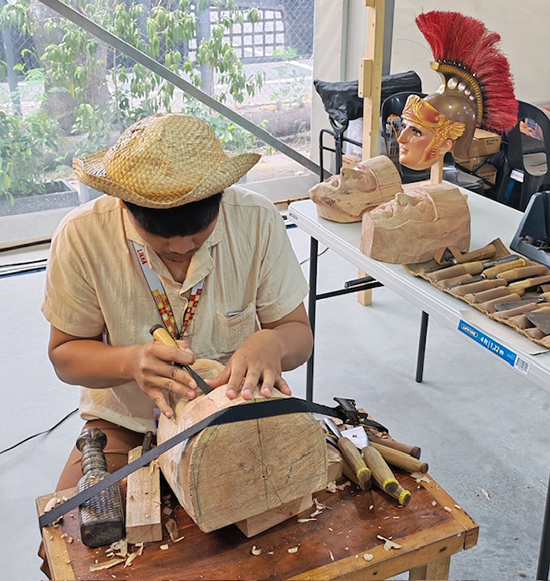
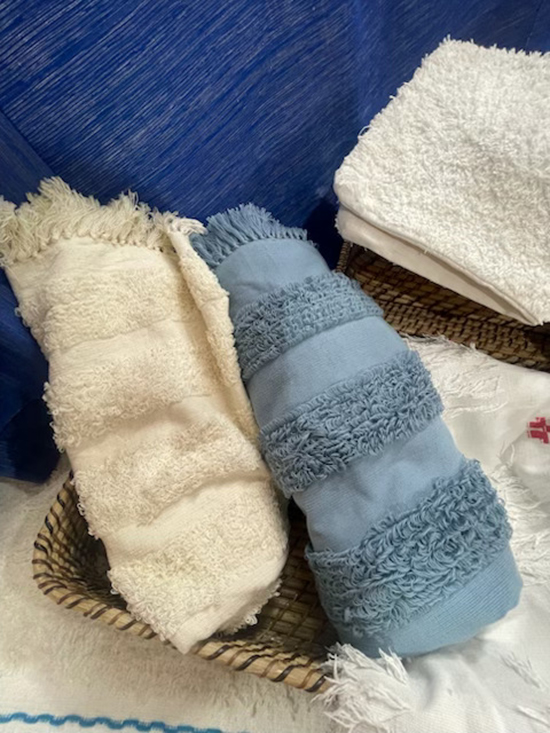
A range of materials are utilized based on what is available in each community, and that can be cotton in the limestone areas of Cebu or rattan in Isabela, pandan from Romblon or seashells from Eastern Samar, buri from Quezon or piña from Aklan.
But this rich trove of traditional crafts, many going back for centuries, is like the country’s endangered plants and animals—in danger of dying out. Craftspeople need to be supported and provided with opportunities to thrive by becoming economically viable. That would be the best way to encourage younger generations to continue these traditions instead of looking for more lucrative employment elsewhere.
CONTINUE READING BELOW

Likha, now in its fifth year, was established precisely to champion Filipino artists and artisans. Spearheaded by First Lady Louise Marcos, the goal is to support craftspeople from all over the country by providing not just a platform to sell their wares but opportunities to grow through workshops, demonstrations, and even the opening of Landbank accounts so that they can be paid more efficiently. They are guided to improve packaging, branding, and to upgrade their designs. The goal of newbie participants is to learn and grow to the point that the business becomes fit for the global market.
This year, Likha took place at the Likha tent, right across their galleries along Roxas Boulevard. Going through the exhibition, one cannot help but be dazzled by all the artistry and the richness of our crafts. There’s no need to travel far and wide to see what our artisans have to offer because at Likha, they’re all under one roof.
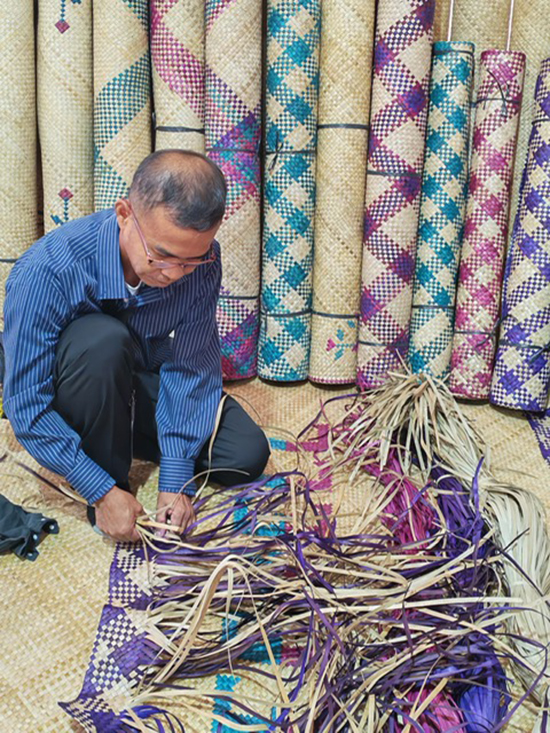
Each participating booth has a story to tell. Rick Fruelda from Romblon learned to weave pandan mats from his father-in-law. He recalls that his father-in-law was crying because he said a time would come when the culture and craft of making pandan mats would disappear.
Rick decided to blog to promote the craft because in their province, very few are still making banig. He teaches how to weave the mats on social media, hopefully to have people come back to the craft.
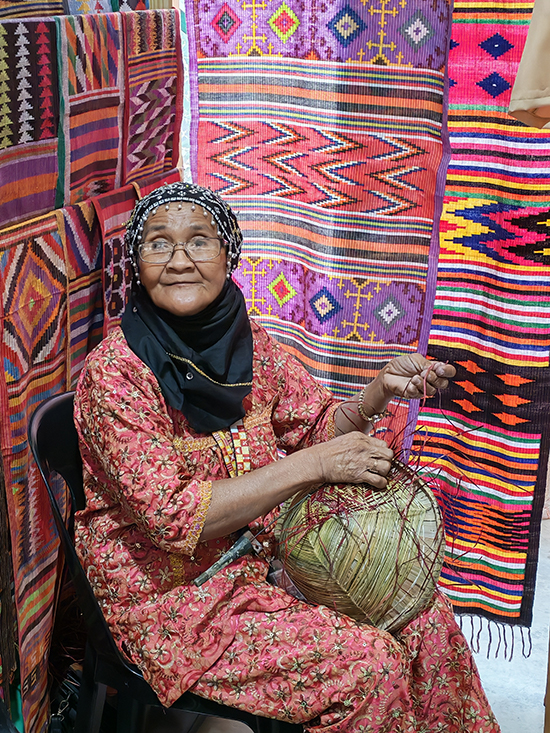
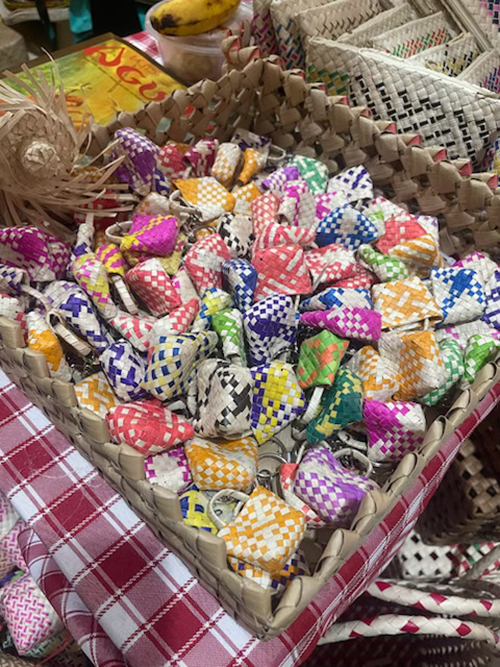
Mary Jane Callejo represents Buli Handicrafts, an association of women weavers in their area of Sampaloc, Quezon. The craft of weaving buli (buri to us) was handed down from their elders and has always been in the family. Buli is a kind of a palm tree, similar to anahaw. The shoots are used before the frond spreads itself out.
Naty Ocampo Castro of Ocampo’s Specialty Products makes not just pastillas and carved dayap peel, but teaches the delicate art of cutting colorful Japanese paper for pastillas wrappers. Lorenzo Wooden Bags of Paete, Laguna now uses the generations-old carving tradition to make contemporary and stylish bags. Rattan Crafts and Furniture, which is based in Echague, Isabela, makes a range of appealing furniture and furnishing items to provide livelihood and preserve the traditional skills.
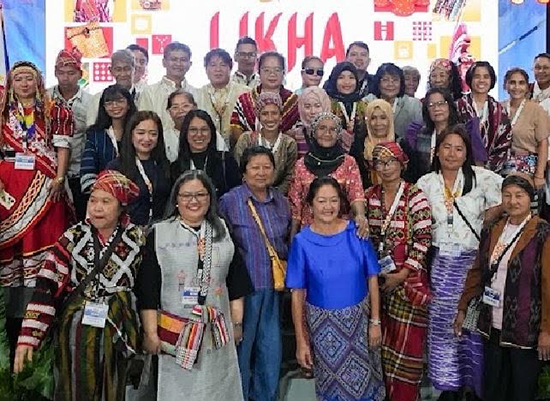
Bonding with artisans: First Lady Louise Araneta- Marcos provides shelter at Likha where local craftsmen can display and sell their wares. Photos by Hannah Barrera
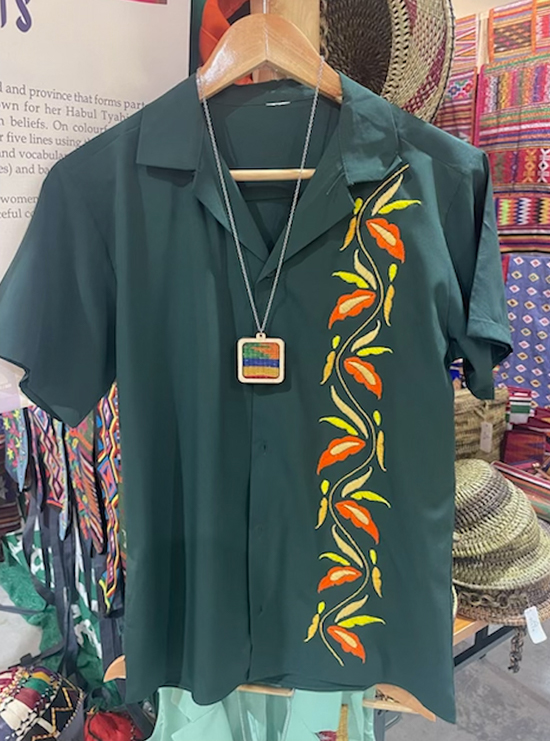
Embroidered shirts from Tausug Saruk and Tausug Siyabit Weaver. Photos by Hannah Barrera
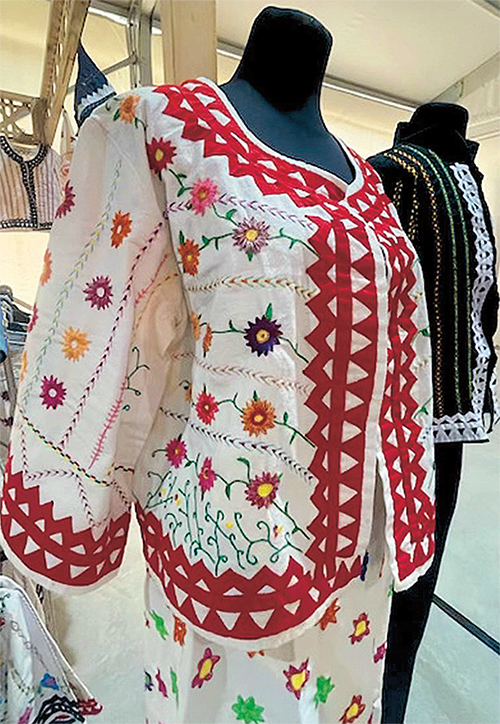
Panubok embroidery of Bukidnon brings to mind the embroidery of the Greeks and Romans. Photos by Hannah Barrera
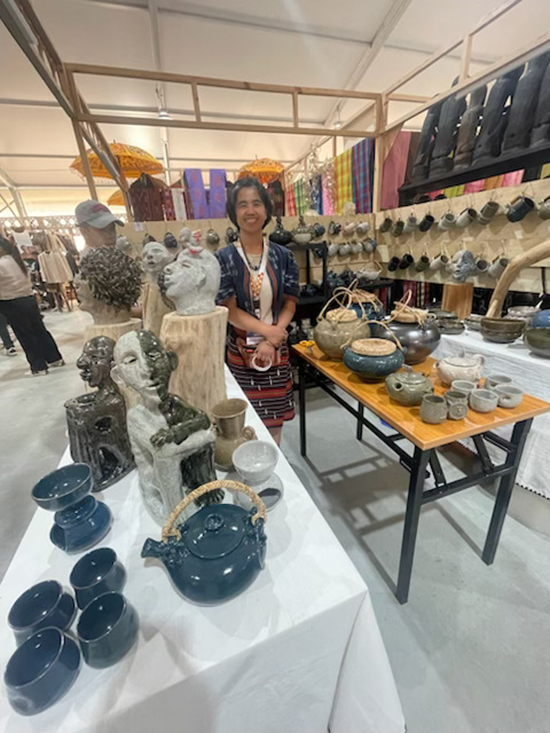
Sigrid of Sagada Pottery. Photos by Hannah Barrera
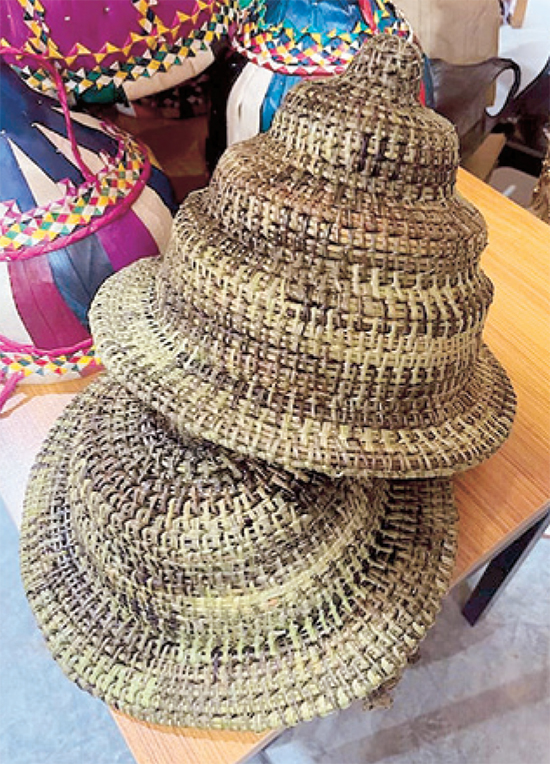
Tausug Handicrafts include woven hats in charming shapes. Photos by Hannah Barrera
Bonding with artisans: First Lady Louise Araneta- Marcos provides shelter at Likha where local craftsmen can display and sell their wares. Photos by Hannah Barrera
Embroidered shirts from Tausug Saruk and Tausug Siyabit Weaver. Photos by Hannah Barrera
Panubok embroidery of Bukidnon brings to mind the embroidery of the Greeks and Romans. Photos by Hannah Barrera
Sigrid of Sagada Pottery. Photos by Hannah Barrera
Tausug Handicrafts include woven hats in charming shapes. Photos by Hannah Barrera
CLOSE
These are only a few of the stories of hundreds of artisans who have benefited from Likha. Even when the fair at the Likha Tent is over, the permanent galleries in the Likha complex continue to serve as a platform for established and ever evolving Filipino brands. With the Philippine’s long holiday season off to a good start, shopping for Christmas décor and presents at Likha can be our best way to personally support our artisans as they journey from the rural to the global stage.

WATCH: Discovering Vietnam in three days
June 9, 2026