

Lulu Tan Gan: Piña Princess
Lulu Tan Gan has become a revered senior designer. But her style is getting younger.
In the 1980s, she was hailed as the country's Queen of Knitwear. Today, I should say Lulu is the Princess of Piña.
I remember her as the lithe designer with a teenager's body working directly with Tessie Sy-Coson for SM Department Store.
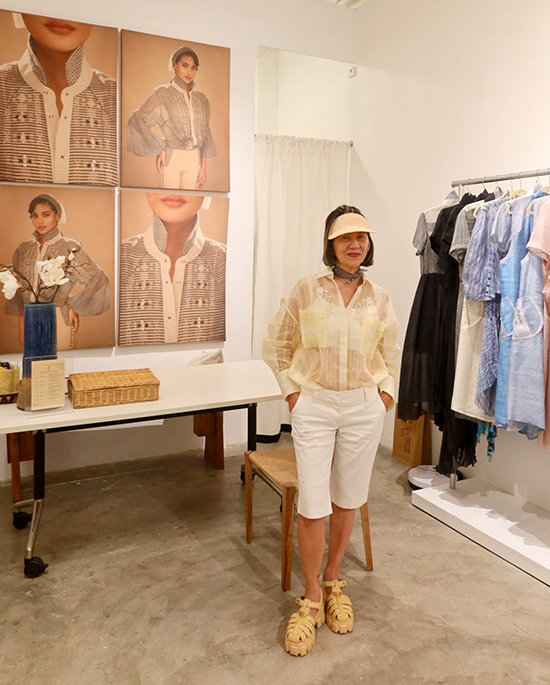
Then she created exciting knitwear that went beyond the usual boring sweaters and cardigans. In 1983, her handcrafted knits were drawing raves on the runways of Paris Fashion Week. By 1985, she earned her own space as designer for SM Boutique Square.
"I wanted to transform knitwear into fashionable pieces for career women like myself who needed practical and stylish options," Lulu explains.
CONTINUE READING BELOW

In her, we had our own Missoni and Norma Kamali rolled into one. A designer with the counter-culture and eco-friendly mantra of the hippies. Long before "sustainability" became popular in the modern fashion universe, Lulu believed in fashion that was artisanal and zero-waste.
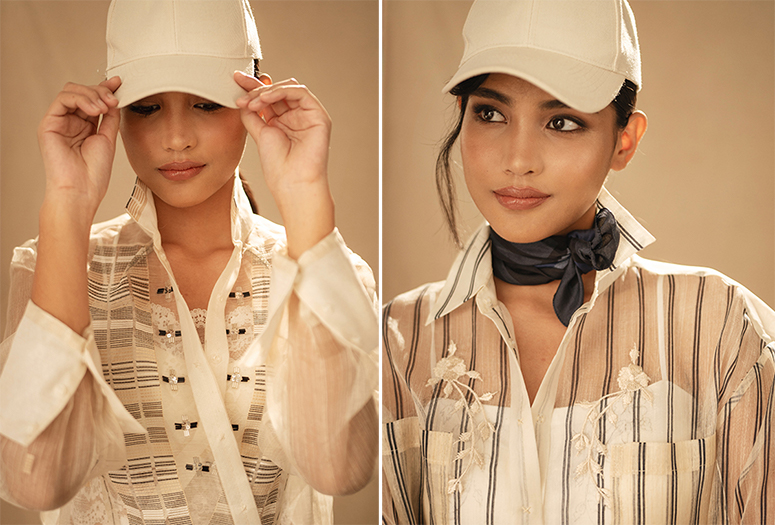
From knits, her creativity shifted to piña. It began when Lulu would wear her dad's barong, rolling its sleeves and matching it with blue jeans. "I adored the pieces made by Barge Ramos using the handwoven fabric."
"Knitting and weaving are my languages," Lulu explains, adding that "my process begins with inspiration from our indigenous traditions."
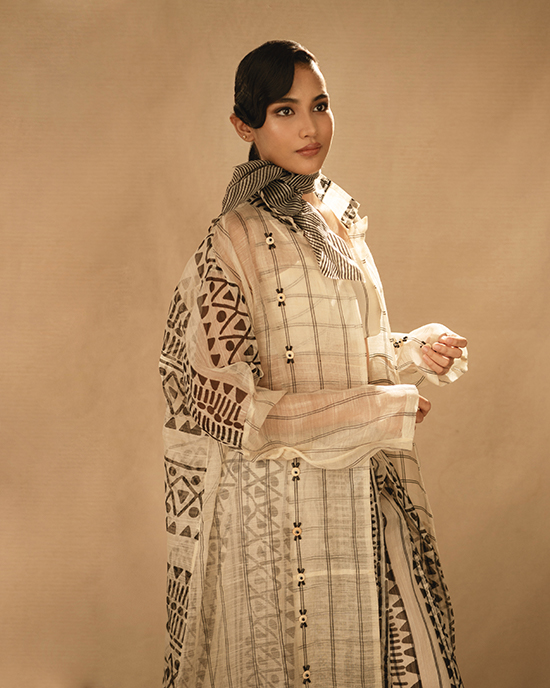
Lulu started by changing the market's perception of piña as a stiff, uncomfortable fabric used for ternos that were costly to maintain because they required dry cleaning.
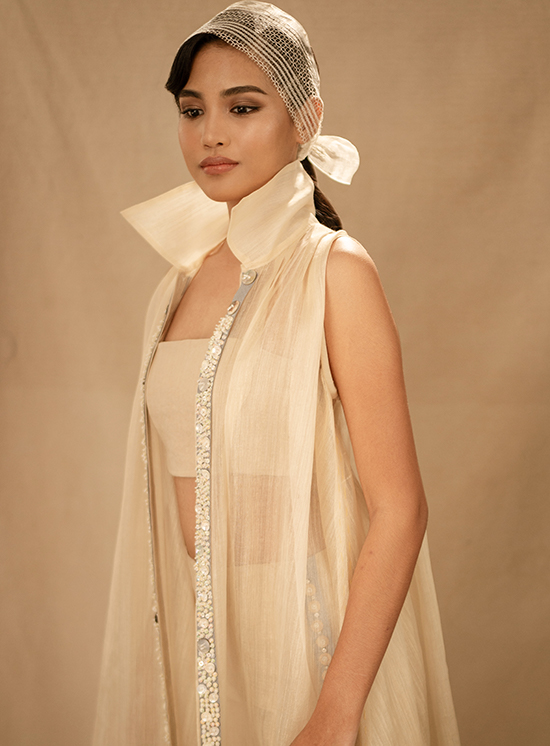
"I saw the piña as a versatile fabric that can be used for modern classics like shirt jacks, boleros, capes, coats and caftans," says Lulu. "I started to develop piña into a washable, fluid textile. I re-engineered it for easier packing and travel." She has also mastered the art of dyeing piña.
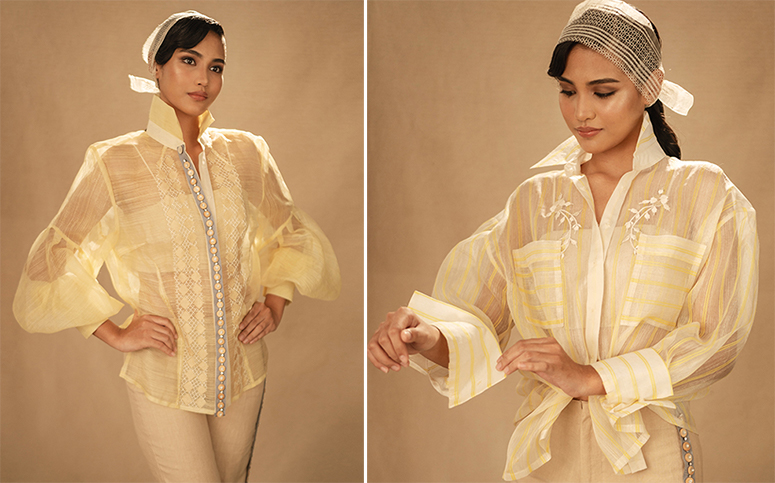
So now you see her tailored shirts in colors like baby pink and powder blue.
Young people love wearing them. Ladies adore them. People buy whatever she wears. The essence of her "tailored traditions" are now shown in a pop-up store at Rockwell's Power Plant Mall throughout November.
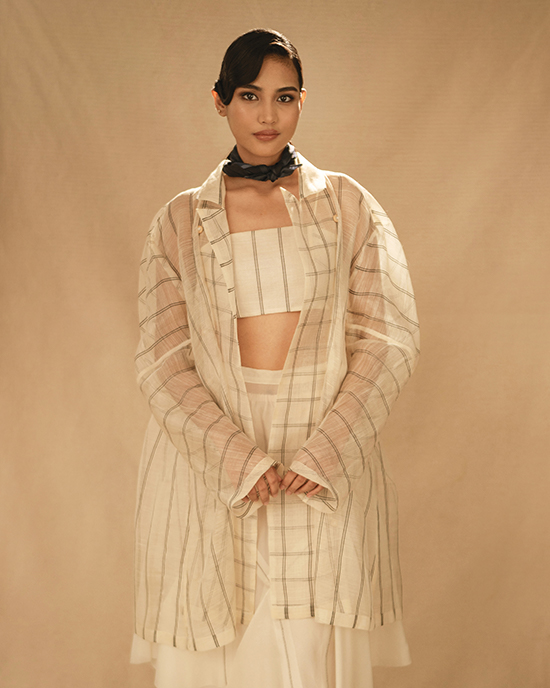
Lulu is proud that piña is providing income to farmers and weavers. "When I talk about farm-to-fashion, I am referring to how we source our fabrics— understanding that our textiles come from the provinces and the farms where our weaving traditions live on."
What makes her a Filipino designer? I have much respect for designers who preserve our traditions but re-weave them into contemporary relevance. And find happiness doing so. That is Lulu Tan Gan.
But this Filipino designer does more than creating designs. In 1992, Lulu served as president of the Fashion Design Council of the Philippines for 10 years, during which she helped create opportunities for emerging talents and colleagues in Manila and Paris. In 2002, Lulu joined the Alliance Francaise de Manille board for more than a decade, during which she helped foster French and Filipino collabs in art, fashion and design. In 2003, she was conferred the rank of Chevalier des Artes et Lettres by the French Minister of Culture for her contributions to the arts.
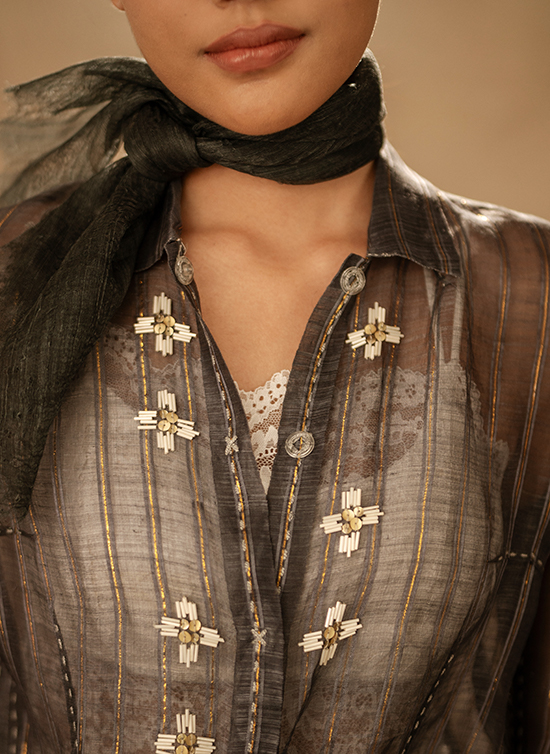
She enthuses: "I mostly engage with piña through the cutting process. I love the crisp sound while cutting with scissors."
Me, I love the crisp sound of her laughter as she talks about her sleepless nights and wearing shades to conceal the eyebags which are occupational hazards to this workaholic. And I enjoy seeing her dance during our dinner events, with her still-teenage body gracefully swathed in a baby pink piña shirt. This master designer has not aged.

WATCH: LGBTQIA+ people with unlikely professions
June 28, 2026
WATCH: Do you still believe in marriage? (Generations Ep. 17)
August 19, 2026
WATCH: Can you still trust someone who betrayed you? (Generations Ep. 22)
September 23, 2026