

Women’s fashion you didn’t know was made for men
Although genderlessness and fluidity has blurred the lines between men’s and women’s fashion, there are still pieces that are considered feminine in most parts of the world. But this was not always the case.
If men are using garments and accessories that are staples in their girlfriends’ closets, they’re probably just reclaiming pieces that their male forebears were wearing and sometimes actually designed for them, if we go back further in history.
There is no single reason for the shift. Sometimes it was for practicality or when it appeared that the item was more useful for women than men. Other times, it was about the money when manufacturers shifted their target market from one segment to the other to make more sales.
High heels
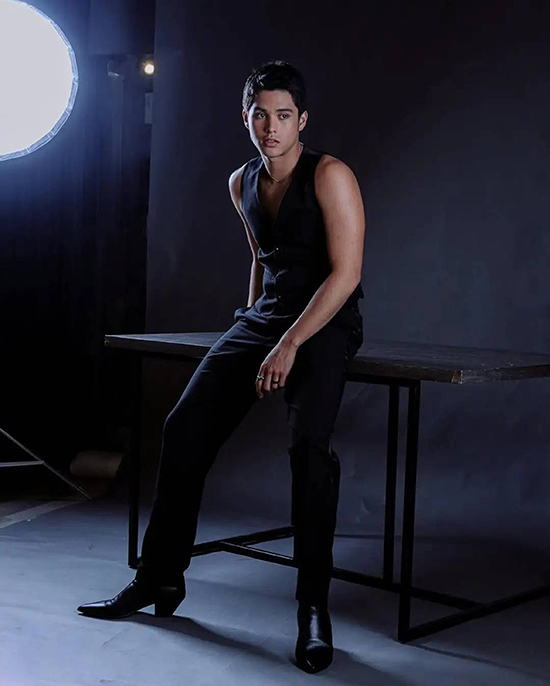
Kyle Echarri Photo from @janvmayo/Instagram
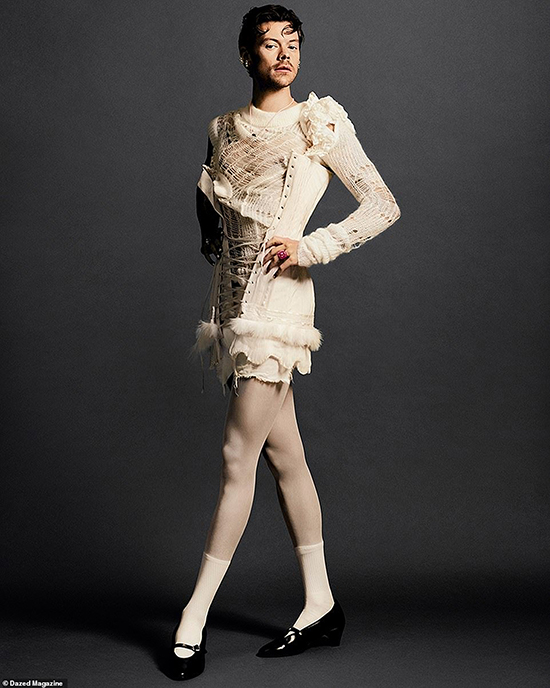
Harry Styles Photo from Rafael Pavarotti/Dazed
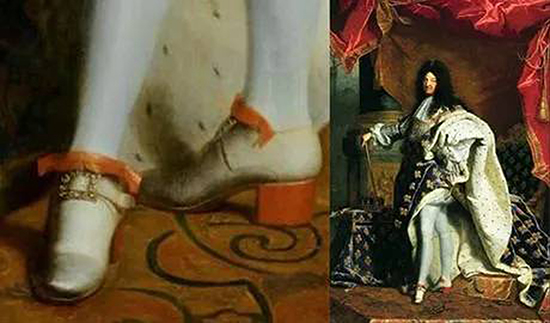
Louis XIV Photo from Bata Shoe Museum in Toronto
Kyle Echarri Photo from @janvmayo/Instagram
Harry Styles Photo from Rafael Pavarotti/Dazed
Louis XIV Photo from Bata Shoe Museum in Toronto
CLOSE
High heels are probably the most feminine accessories in a woman’s wardrobe that you would never suspect had male origins but in the 10th century, they were made for Persian soldiers to lock their feet on the stirrups while riding horses, to improve their balance and accuracy when they had to shoot arrows or attack their opponent. Heels only reached Europe in the 17th century, adopted by male aristocrats to look taller and more intimidating. King Louis XIV of France found them indispensable for the members of his cabinet to have the look of authority, providing them pairs to wear in 1673. Women, on the other hand, started wearing them to make their feet appear smaller. As women’s heels became thinner, they were eventually considered too feminine, prompting men to disavow them by the 18th century.
Handbags
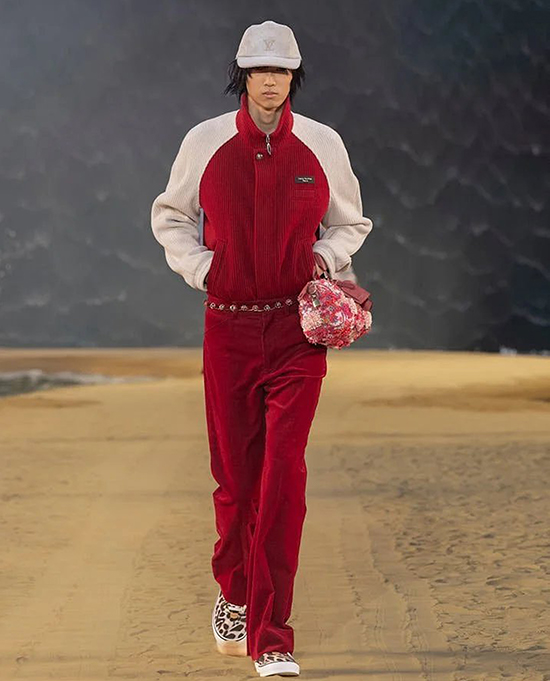
Louis Vuitton SS2027. Photo from @louisvuitton/Instagram
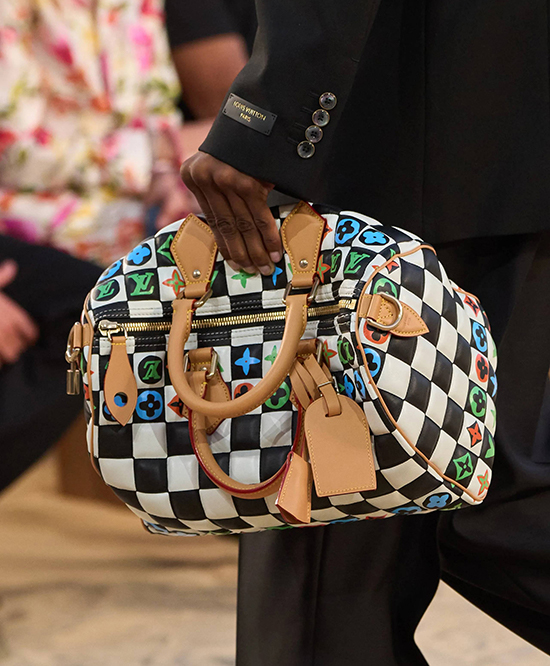
Louis Vuitton Speedy Bag SS2027 Photo from @louisvuitton/Instagram
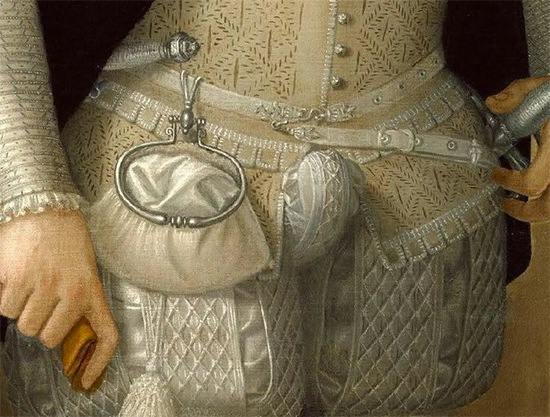
Elizabethan pouch Photo from Kunsthistorisches Museum collection
Louis Vuitton SS2027. Photo from @louisvuitton/Instagram
Louis Vuitton Speedy Bag SS2027 Photo from @louisvuitton/Instagram
Elizabethan pouch Photo from Kunsthistorisches Museum collection
CLOSE
When clothes didn’t have pockets, the handbag’s early form—a small pouch—was attached to a belt around the waist, as seen in ancient Egyptian hieroglyphs showing men wearing them. African priests carried bags embellished with beading. It was largely a unisex thing until the 16th century, when everyone owned a purse. At this time, women had the chatelaine chain to hang keys and sewing implements as well as bags. The modern handbag appeared in the early 1900s, the name coined from the handheld bags used by men. Fashion designers then used the male handbags as models to create more elaborate ones for women.
Thongs
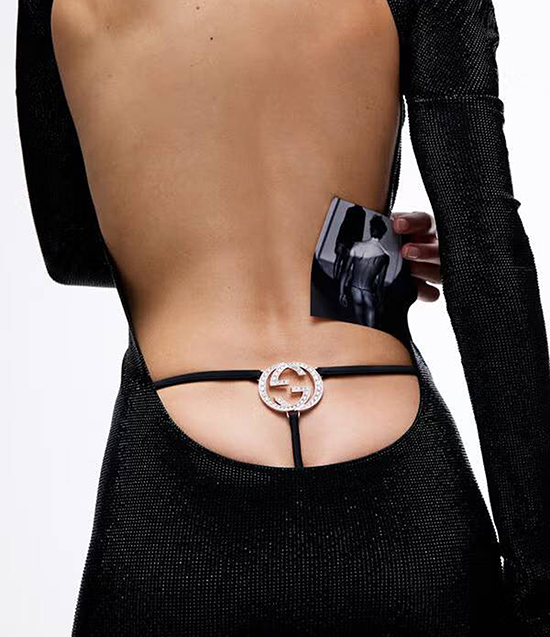
Gucci FW2026-2027. Photo from Gucci
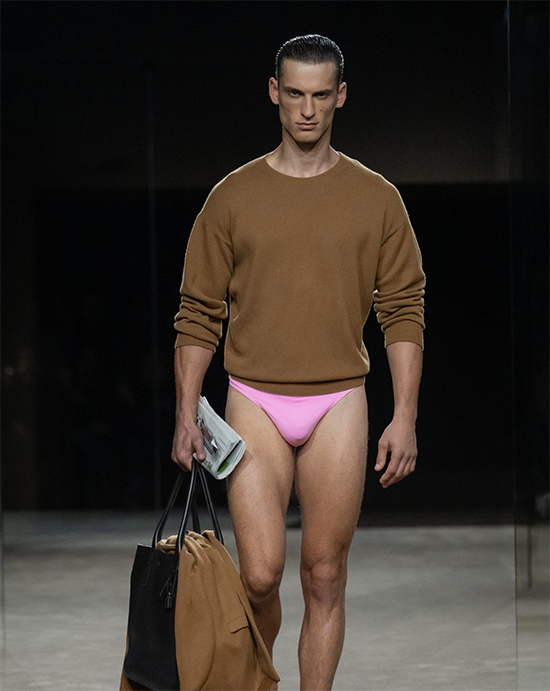
Tom Ford Photo from Tom Ford
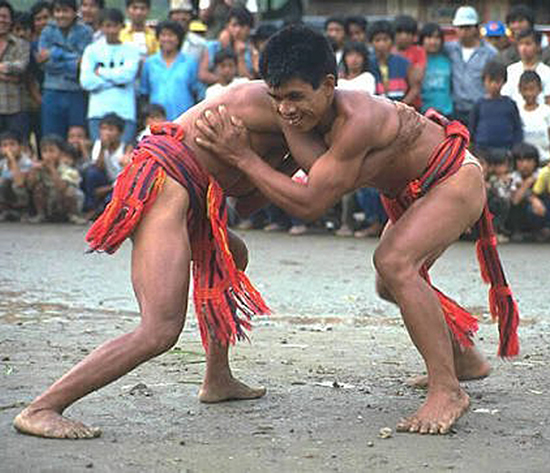
Ifugao men in g-strings Photo from kipas.nl
Gucci FW2026-2027. Photo from Gucci
Tom Ford Photo from Tom Ford
Ifugao men in g-strings Photo from kipas.nl
CLOSE
The first thong appeared in Africa in 42,000 BC and later in Egypt, Greece, and Crete around 1570 BC and in Japan in 250 AD. The G-string, a kind of thong, was widely used by indigenous groups in pre-colonial Philippines. Covering the private parts while leaving the buttocks exposed, thongs were often worn by men and later appeared as a jockstrap for sports. The modern thong made its first appearance at the 1939 New York World Trade Fair when female nude dancers were ordered by the mayor to cover up, prompting them to turn to thongs.
Stockings
CONTINUE READING BELOW

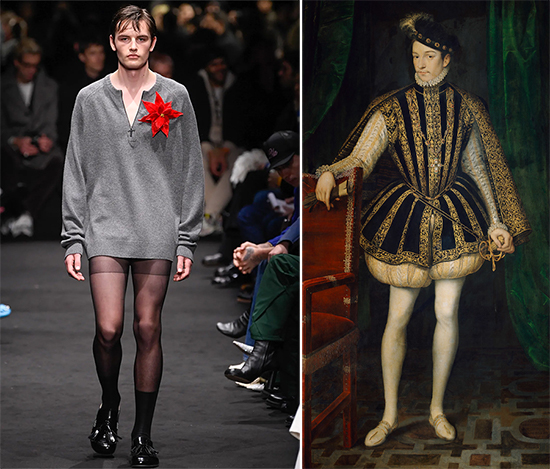
Originally called hose, stockings were originally worn primarily by men from the 13th to the 17th century as part of their daily wardrobe. During the Renaissance, skintight stockings and well-turned calves were major displays of masculinity, wealth and social status. Noblemen and kings such as Henry VIII wore expensive silk stockings to show off their legs and ability to dance. With the introduction of trousers, stockings shortened into socks for men while women wore them with skirts and dresses.
Pink
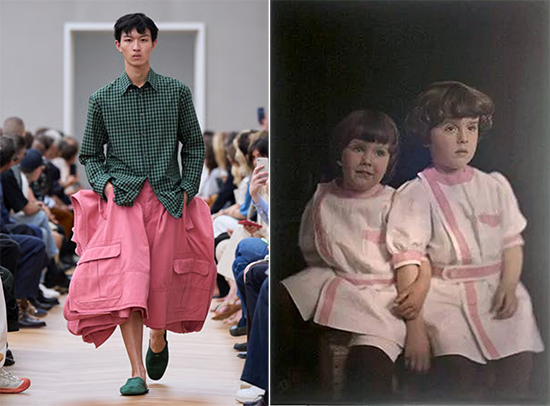
Pink was actually associated with boys even if it’s considered a girl thing when assigning colors to children, beginning in the 1900s when specialized baby clothes were sold. Around the time of World War I, boys wore pink because of its “powerful” appearance while blue was preferred for girls because it was considered “prettier.” It was only in the 1960s when women’s liberation movements started dressing daughters in pink over concerns that girls were being conditioned to behave effeminately by virtue of the clothes they wore. Boys, meanwhile, switched from pink to blue and by 1985 the garment industry started marketing pink for girls and blue for boys.
Makeup
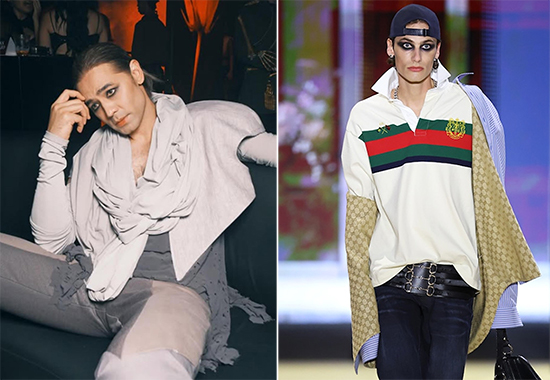
From prehistoric times, men used makeup for hunting and battle as a way to intimidate the opponent. By 4000 BC, in ancient Egypt, it signified high status with kings like Tutankhamen and men of the court who wore red ochre on cheeks and lips and green shades like malachite for eye shadow and kohl to evoke the god of sky and sun. Romans used red cheek pigments and skin-lightening powders and in ancient China, Japan, Korea and India, men of status turned to face powders, lip stains, and ceremonial paints. In 18th century Europe, royalty and aristocrats had a similar predilection. It was in the 19th century when makeup became a feminine domain until modern times when it returned as transgressive for men as a form of personal expression.
Skirts
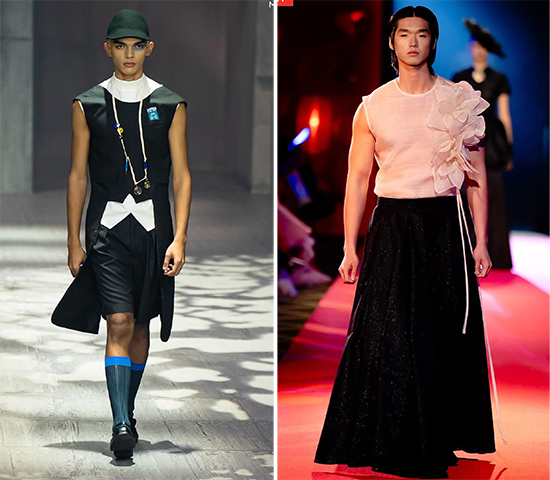
Early prehistoric coverings and ancient wraps like the Sumerian kaunakes and Egyptian shendyt were worn by men as standard attire. Skirts and tunic-like garments were also the norm in ancient Mesopotamia, Greece and Rome. It was in the medieval and industrial eras in Western Europe when changing social standards shifted men into trousers, leaving skirts and for women. Men’s skirts reemerged again in high fashion and counterculture in the 1960s-70s via the unisex movement and glam-rock icons; in the 1980s to ’90s with avant-garde designers; and in the 21st century through luxury fashion and celebrity culture.

WATCH: LGBTQIA+ people with unlikely professions
June 28, 2026