What to know about 'interval walking,' a new exercise method that started in Japan
Walking has long been considered one of the simplest ways to stay active, but as more people look for ways to take their workouts up a notch, new approaches to this basic exercise are emerging.
One method gaining attention is “interval walking,” a fitness technique that started in Japan, which promises to boost health benefits by alternating between different walking speeds.
If walking is your go-to exercise, here's what to know about this method and how it works so you can try it out for yourself.
How does interval walking training work?
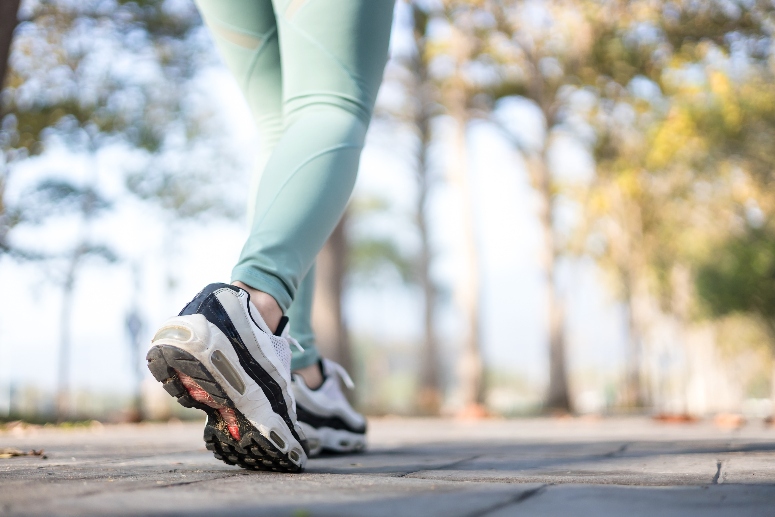
According to cardiologist Marcellus Ramirez, Japanese interval walking is a method of exercise or workout consisting of "alternate periods of three minutes fast-walking and three minutes slow-walking for a total of 30 minutes."

Japan is credited for developing and popularizing the method, as one of the earliest studies on its health benefits came out of the country.
Ramirez said interval walking can boost your cardiovascular system, especially if it's done regularly for four to five times a week, achieving a total of 150 minutes of moderate to high-intensity exercise per week.
"It results in benefits in lowering blood pressure, blood sugar and lipids, improved well-being and cardiovascular fitness," he explained.
Meanwhile, UP Manila associate professor of physiology and neurocience Christian Wilson Turalde said that the "cyclical pattern of this exercise allows the autonomic nervous system to safely shift from a low-demand resting phase to a higher-demand fast phase, and vice versa."
"This may enhance exercise capacity by enabling individuals to tolerate greater volumes of physical activity and achieve more efficient caloric expenditure. The guided transitions between phases also promote safe heart rate variability and accommodate fluctuations in oxygen demand," he said.
Turalde added that interval walking is generally safe, even for individuals with certain cardiovascular comorbidities.
However, he noted that the alternating sequence may be uncomfortable for those prone to dizziness and that those with limited musculoskeletal conditioning may experience discomfort or strain during phase transitions.
Tips on how to do interval walking

Before starting interval walking, Ramirez advised that you must first ensure that your heart is fit for fast-walking and that you don't have any injuries or disabilities.
Once you're ready, begin slow-walking and build the pace from there. It would also be good to use comfortable walking shoes and be consistent.
Ramirez advised moving your arms during walks to maximize benefits and to set a target heart rate during workouts.
He also underscored how you should be mindful about drinking water during your walks and observe a healthy lifestyle and diet.
For Turalde, it's important to "identify your personal baseline and self-regulate intensity using the talk test."
"During the fast phase, the individual should be able to speak in short phrases but not sustain full conversation," he said.
You must also avoid overexertion and progress gradually. To make the activity more enjoyable, it is recommended to do it with friends.
If you're planning to do interval walking long-term, Turalde emphasized that you should make it a habit to integrate interval walking into daily routines, such as when you commute to work or school.
It's also helpful to stay mentally present by appreciating the environment as you walk and to be mindful of breathing, posture, and gait.
"Over time, improvements in endurance and tolerance for higher-intensity activities are expected," Turalde said.