

Dr. Google strikes again: Why the internet thinks you’re dying
There was a time when patients entered clinics carrying laboratory results. Now many arrive carrying smartphones—with the facial expression of someone who has just discovered they have three rare diseases, two autoimmune disorders, and possibly Viking plague.
“Doc,” one patient recently told me gravely, “I Googled my symptoms. I think it’s either stress or a rare neurological condition found only in Iceland.”
His actual diagnosis? Lack of sleep. And too much Google.
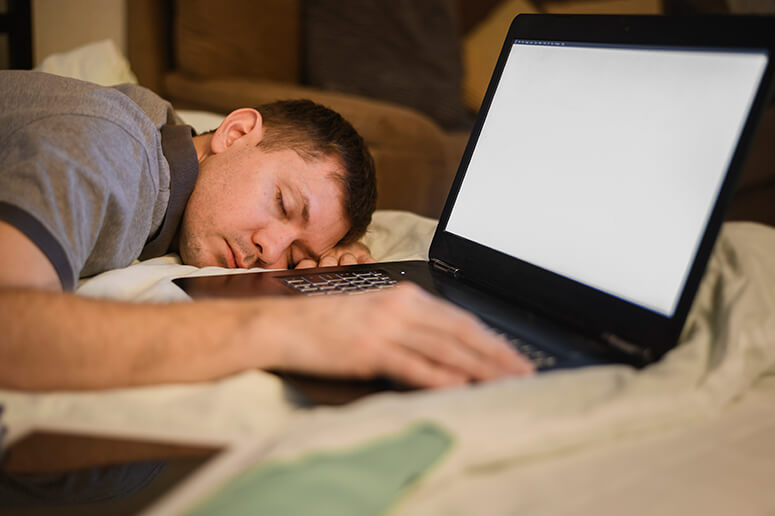
Welcome to the modern age of medicine, where many Filipinos consult Dr. Google before consulting an actual doctor.
Well, to be fair, Dr. Google is impressive. Available 24/7. No appointment needed. No clinic waiting time. Never late. You never run out of parking.
Unfortunately, Dr. Google also has a disturbing tendency to convince perfectly healthy people that they are moments away from death.
CONTINUE READING BELOW

The rise of cyberchondria
Medical researchers now use the term “cyberchondria”—the phenomenon where excessive online symptom-searching increases anxiety and health paranoia.
In simple terms: You search “headache”… Thirty minutes later, you’re mentally preparing your last will and testament.
The problem is not that online health information exists. The problem is that the internet lacks what doctors rely on most: context.

A symptom means different things in different people. Chest pain in a 22-year-old after gym day is different from chest pain in a 67-year-old diabetic smoker sweating profusely during dinner.
Google cannot make that distinction properly. But it tries anyway—with the confidence of a first-year medical student who just survived Anatomy class.
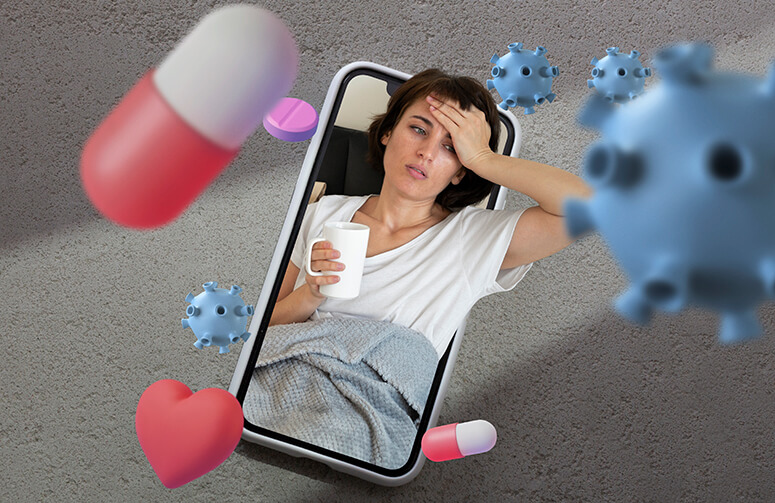
The internet rewards attention. And nothing gets clicks faster than fear.
That’s why: “10 harmless causes of headache” gets ignored; while, “Headache? It may be your liver exploding” gets millions of views.
Algorithms prioritize engagement—not accuracy. In medicine, however, panic is not a diagnostic tool.
The Filipino version of Dr. Google
Filipinos have elevated online self-diagnosis into an art form.
We do not merely Google symptoms.
We ask Facebook comments, consult TikTok healers, trust random YoTube personalities, and forward miracle cure videos from tita group chats with alarming confidence
@docalvinfrancisco Gusto mag-detox at pumayat? Panuorin mo to
♬ original sound - Doc Alvin
One patient once informed me:
“Doc, nakita ko sa TikTok—lemon water daw cures high blood (I saw in TikTok—lemon water cures hypertension).”
I gently explained that if lemon water truly cured hypertension, cardiologists would now be unemployed citrus vendors.
Short-form medical videos have exploded online. Some are excellent and evidence-based. Others are the medical equivalent of someone confidently repairing airplane engines after watching two documentaries and owning a screwdriver.
The danger lies in oversimplification. Complex conditions become reduced to: “3 Warning Signs,” “1 Secret Cure,” and “Doctors Hate This Trick.”
Real medicine does not work that way. Actual diagnosis requires history-taking, physical examination, context, probability assessment, laboratory interpretation, and sometimes plain clinical intuition earned through years of training.
Medicine is not a BuzzFeed quiz that helps you discover things about yourself, like your personality type, or favorite fictional character.
Wellness misinformation ‘bigger’ than science
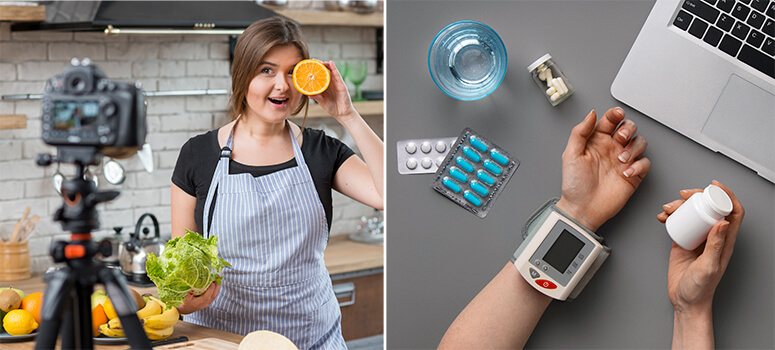
Modern health misinformation often arrives wrapped in attractive packaging: detox teas, miracle supplements, anti-aging powders, “natural cures,” bizarre diets involving only meat, only juice, or apparently only emotional suffering.
Many are marketed by influencers whose greatest medical qualification is excellent lighting and a ring lamp.
One patient proudly told me he stopped taking the metformin, antihypertensive agents, and statins I prescribed because an online “wellness coach” said these pharmaceuticals are toxic.
Three months later, his blood pressure, blood sugar, and cholesterol were high enough to qualify as a weather disturbance.
The internet can provide information — but only wisdom, experience, and human judgment can turn information into proper medical care.
The real danger: Delayed treatment
Sometimes Dr. Google creates unnecessary fear. But more dangerously, it also creates false reassurance.
Patients delay consultations because symptoms “don’t look serious online;” home remedies temporarily relieve discomfort, or influencers convince them doctors are exaggerating illnesses for profit. By the time they finally seek care, the condition has worsened significantly. In medicine, delay is often more dangerous than the disease itself.
Doctors joke about this phenomenon constantly.
A common emergency room experience:
Patient: “Doc, I think I’m dying.”
Doctor: “Why do you say so?”
Patient: “I searched online, and I think I have a symptomless terminal disease.”
At this point, even the stethoscope becomes emotionally exhausted.
To be fair, Google is not completely evil
Used responsibly, online information can be helpful. Patients can learn about diagnosed conditions, understand medications, improve lifestyle habits, join support communities, and prepare meaningful questions for consultations.
The key difference is this: Google should assist medical care—not replace it. Think of the internet as a medical intern: helpful sometimes, enthusiastic often, but requiring supervision.
A physician does more than identify symptoms. Doctors observe subtle clues, detect inconsistencies, assess risk, recognize emergencies, understand emotional context, and sometimes reassure frightened patients that they are not, in fact, dying from exotic Scandinavian parasites.
No search engine can hold a patient’s hand, detect fear behind humor, notice exhaustion in the eyes, or understand how illness affects an entire family.
Medicine remains deeply human. The internet can provide information—but only wisdom, experience, and human judgment can turn information into proper medical care.
The final prescription
Technology is wonderful. Modern medicine benefits enormously from digital access to knowledge. But there is a difference between information and understanding.
A search engine may tell you what diseases exist. A doctor helps determine what is actually happening to you.
So by all means, Google responsibly.
Just remember: If the internet tells you that you have six terminal illnesses before breakfast, perhaps it’s time to close the browser… and open the clinic door instead.
Google cannot examine you. A physician can.
