

Why Dr. Google shouldn’t be your main attending physician
These days, many of my patients enter the clinic not with trembling hands holding their lab results, but with smartphones clenched tightly like stethoscopes. Before I can even greet them, they announce their self-diagnosis with the confidence of a resident fresh out of internship: “Doc, I think I have lupus. Or maybe leprosy. Google said so.”
It’s a scene I now encounter weekly, sometimes daily. The internet, particularly "Dr. Google," has become the new first-line physician for millions of Filipinos. And while information is empowering, misinformation can be downright hazardous.
Why Dr. Google is popular
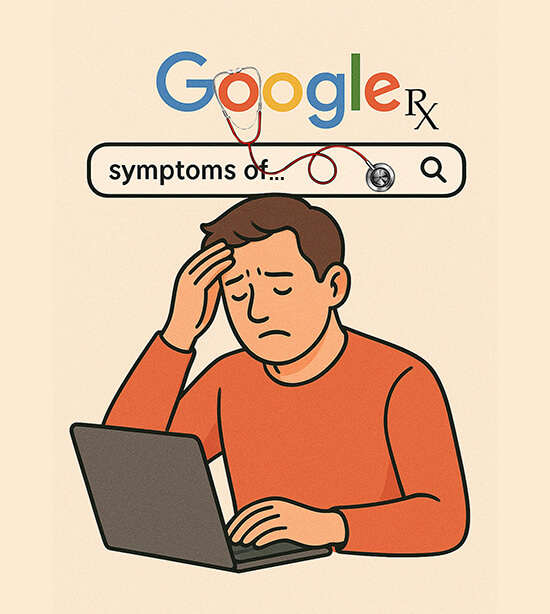
Let’s be fair. Dr. Google is convenient. Available 24/7, with no consultation fee, no waiting room, and no scolding about late-night lechon. In a country where seeing a doctor can mean hours in traffic and weeks waiting for specialist slots, a quick search feels like a lifesaver.
Global surveys confirm this habit. According to a 2023 Pew Research study, over 70 percent of adults admit to searching health symptoms online before consulting a professional. In the Philippines, the percentage is likely higher, given our universal love for both “tsismis” and instant answers.
But herein lies the rub: Just because the answer is instant doesn’t mean it’s accurate—or appropriate for you.
The problem with ‘cyber-chondria’
Googling symptoms is a bit like typing “headache” and ending up convinced you have a brain tumor, dengue, and alien abduction syndrome all at once.
CONTINUE READING BELOW

Medical researchers even coined a term for this: “cyberchondria.” A Microsoft study found that a simple search for “headache” often led users to high-probability diagnoses of serious illness, despite most headaches being caused by tension, dehydration, or too much Netflix.
This isn’t just an academic issue. Studies in the Journal of Medical Internet Research show that excessive health-related Googling increases anxiety, delays appropriate treatment, and worsens doctor-patient relationships.
A doctor’s daily reality
Let me illustrate.
A patient once came convinced she had “Stage 4 kidney failure” after a Google binge. Her actual labs? A slightly low potassium level from dieting.

Another swore his persistent cough was “avian flu,” based on a blog. He had postnasal drip from allergies.
And perhaps my favorite: a gentleman who printed more than 20 pages from DoctorNaturalCures.com demanding IV vitamin infusions for his “toxic blood.” His real problem? Hypertensio—untreated for five years because he was too busy detoxing with papaya smoothies.
These cases are funny until they aren’t. Every minute we spend unlearning Google’s diagnoses is a minute lost in actually treating the real condition.
Why Google is not a licensed physician
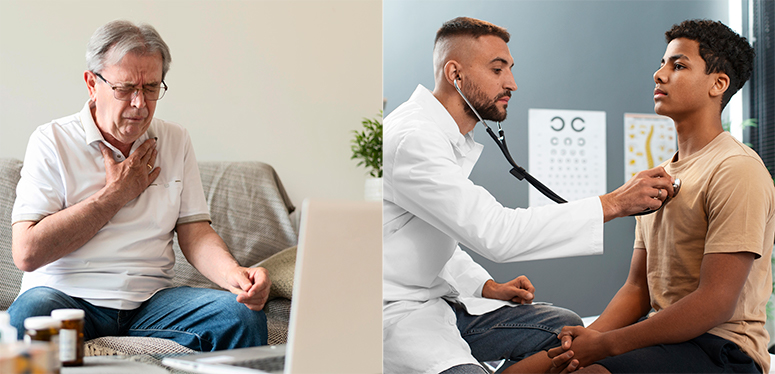
- No context. Google cannot distinguish between a 25-year-old athlete with chest pain after gym day and a 65-year-old smoker with chest pain at rest. Same search term, wildly different probabilities.
- No physical exam. The Internet can’t press on your abdomen, listen to your heart, or notice that faint bluish tinge in your lips that makes a doctor order an ECG right away.
- No accountability. If Dr. Google gets it wrong, you can’t sue, complain, or demand a refund.
- Algorithm—not sound clinical judgment. Search engines are designed to prioritize click-worthyresults, not necessarily clinically correct ones.
That’s why “10 Shocking Causes of Headache” will always outrank “Most Headaches Are Harmless.”
The Filipino factor
Filipinos have a special relationship with Dr. Google because it blends perfectly with our love for self-medication and crowdsourced wisdom.

Why pay for a consult when your neighbor, your kumare, and a random Reddit user agree that lagundi cures everything, from asthma to heartbreak?
Yet this cultural tendency has consequences. The Department of Health notes that over half of Filipinos only consult doctors when conditions are already advanced. By then, Google has already been their attending physician for months.
Humor meets hard evidence
Let’s sprinkle in some science to back the humor.
- Accuracy gap: A 2020 BMJ analysis of online symptom checkers found their correct diagnosis rate was only 36 percent. Imagine if your airline pilot landed safely just 36 percent of the time. Would you still board?
- Treatment advice: Correct triage advice (when to seek emergency care) was accurate in only 57 percent of cases. Flip a coin and you might do just as well.
- Mental health impact: A Psychiatry Researchpaper reported that constant symptom searching worsens anxiety and can even mimic the symptoms searched for—a digital placebo effect.
What Google can be good for
Now, don’t get me wrong—I’m not against patients Googling. In fact, when done responsibly, it can be helpful. Google is a great tool for:
- Learning the basics of a condition afterdiagnosis.
- Understanding lifestyle modifications (diet, exercise, sleep).
- Joining reputable patient support communities.
- Reading about side effects of prescribed medicines (from credible sites).
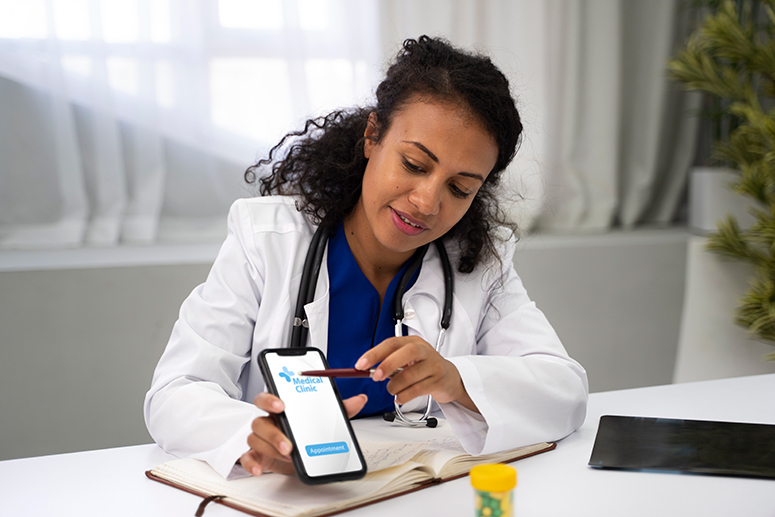
But the key phrase is “after diagnosis.”
Google is a supplement, not a substitute; an intern at best, not the attending physician.
How to tame Dr. Google
Here’s my prescription for patients:
- Check the source. Trust only sites ending in .gov, .edu, or those run by reputable medical organizations (Mayo Clinic, WHO, DOH).
- Don’t self-diagnose. Use Google for questions, not conclusions.
- Bring printouts — but with humility.Doctors appreciate informed patients, but let’s discuss rather than debate.
- Remember: Every body is unique.What applied to your friend’s cousin’s uncle’s arthritis may not apply to yours.
The punchline
So, can Dr. Google be your main attending physician?
Only if you also want Dr. YouTube as your surgeon, Dr. Facebook as your anesthesiologist, and Dr. TikTok as your psychiatrist.
Until algorithms can palpate an abdomen, detect a faint heart murmur, or hold a patient’s hand during bad news, the Internet remains—at best —a medical intern who needs constant supervision.
As for me, I’ll happily welcome Google into the exam room, but only as my assistant. Because in the end, nothing—not even the most advanced search engine—can replace the value of a physician’s trained eye, listening ear, and compassionate heart.

WATCH: Is OPM still as good as it used to be? (Generations Ep. 20)
September 9, 2026
WATCH: Is Gen Z too soft? (Generations Ep. 23)
September 30, 2026