

The anger epidemic
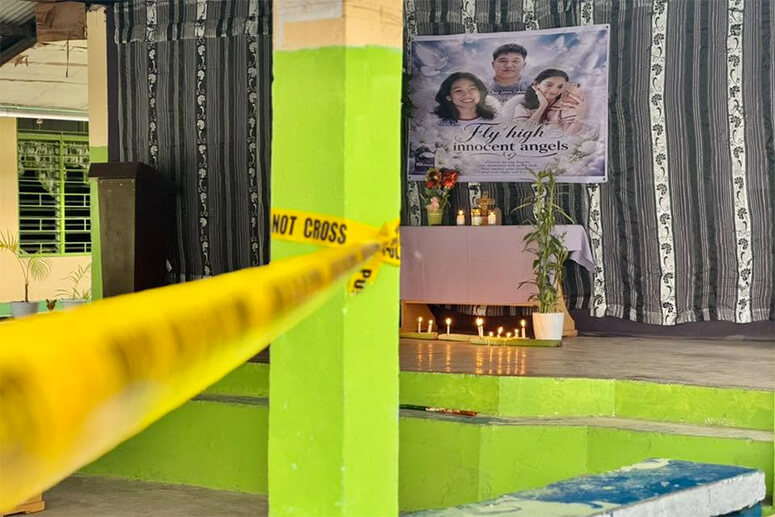
Three teenage students are dead. More than a dozen are wounded. The victims were not soldiers. The shooter was not a criminal. He was a student.
The recent shooting at a high school in Tacloban, Leyte has once again shocked the nation and reopened difficult questions that societies everywhere are struggling to answer. Why does this keep happening? Why does violence seem increasingly common not only in schools but also on roads, in homes, on online platforms, in workplaces, and even in political institutions? And perhaps, most importantly, are we becoming desensitized to it?
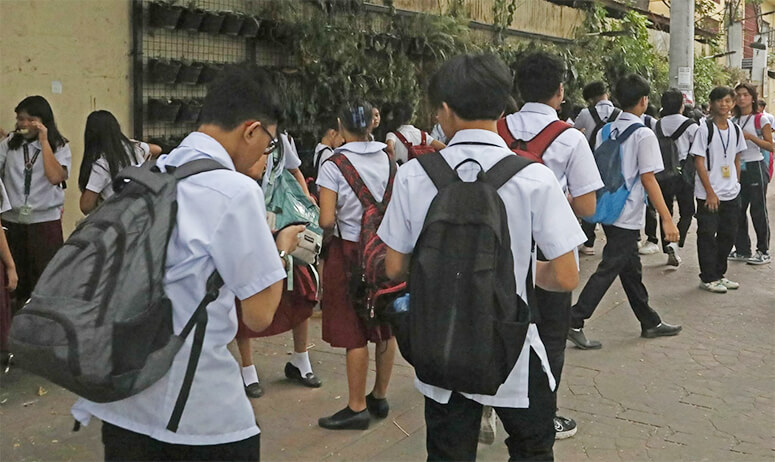
The roots of violence
For many years, discussions about violence focused primarily on access to weapons. While that remains an important issue, it does not fully explain what we are witnessing. A weapon is a tool. The deeper question is what drives someone to use it.
The roots of violence are complex. Mental illness may play a role in some cases. Social isolation, family dysfunction, substance abuse, unresolved trauma and economic stress can all contribute. Extremist ideologies and online radicalization may also influence vulnerable individuals.
But beneath these factors lies a broader cultural concern.
CONTINUE READING BELOW

We appear to be living through an era in which anger is increasingly normalized. Everywhere we look, examples abound: road rage incidents that escalate into assaults; online disagreements that quickly become personal attacks; political debates characterized more by insults than dialogue; public officials exchanging accusations and ridicule; and television programs and social media platforms rewarding outrage because outrage attracts attention.
The message being transmitted, intentionally or not, is that aggression is acceptable, that humiliation is entertainment, and that winning matters more than understanding.
Impact on children and adolescents
Children and adolescents are watching. They learn not only from what adults teach but also from what adults model. When public discourse becomes toxic, it should not surprise us if younger generations absorb the same habits.

Decades ago, psychologist Albert Bandura showed that human beings learn not only from what they are taught but also from what they repeatedly observe. When aggressive behavior appears to be rewarded, celebrated, or free of consequences, it can gradually become normalized.
If public figures gain popularity through insults, if online influencers gain followers through outrage, and if aggressive behavior consistently receives attention, we should not be surprised when civility begins to erode. Violence does not suddenly emerge from nowhere. It often grows from a culture that increasingly tolerates hostility.
Video games
Many people blame video games. Certainly, some games contain graphic violence. Excessive exposure to violent content may contribute to desensitization in susceptible individuals. However, the scientific evidence does not support the simplistic conclusion that video games alone cause mass violence.
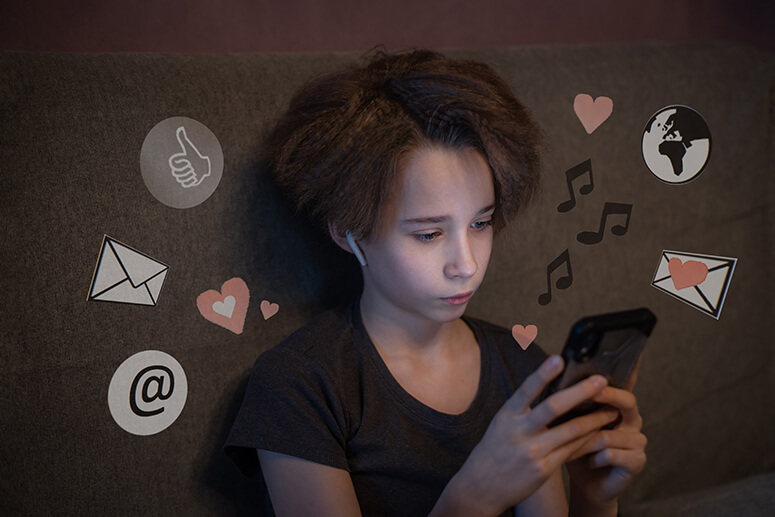
If that were true, countries with high rates of video game use would all experience similar rates of violent crime and school shootings. They do not. Video games may be one factor among many, but they are unlikely to be the primary explanation.
The more important issue may be the cumulative effect of a culture saturated with conflict. Today, a teenager can wake up to alarming news alerts, spend hours consuming hostile social media exchanges, encounter cyberbullying, watch political leaders attack one another, and end the day immersed in online environments where empathy is often absent.
The result can be emotional numbing. The extraordinary becomes ordinary. Outrage becomes routine. Violence becomes less shocking.
Violence rarely begins with a gun. It often begins with words, attitudes and small acts of disrespect that gradually become normal.
Desensitization and loneliness
Psychologists sometimes refer to this as desensitization. Repeated exposure to aggressive behavior may gradually reduce emotional responsiveness to it.
When that happens, society begins losing one of its most important protective mechanisms: moral discomfort.
Healthy societies should feel disturbed by cruelty. Healthy societies should react strongly to injustice. Healthy societies should value restraint. When those instincts weaken, danger follows.
There is another factor that deserves attention: loneliness.
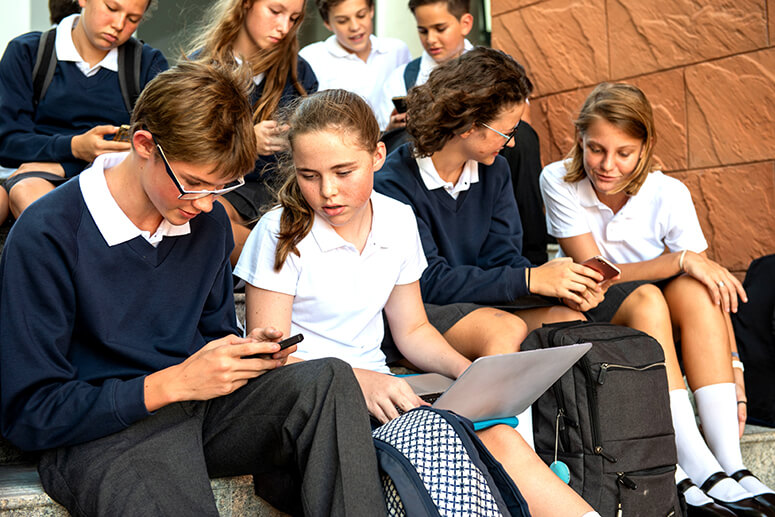
Despite unprecedented digital connectivity, many people feel profoundly isolated. The World Health Organization and public health experts increasingly recognize loneliness as a serious health risk associated with depression, anxiety, substance abuse, and even premature death.
Human beings are social creatures. We are more likely to show compassion when we feel connected to others. Conversely, chronic isolation may foster resentment, alienation, and anger.
This is particularly relevant for young people. Many adolescents today report having fewer close friendships than previous generations. They spend more time interacting through screens and less time developing face-to-face relationships that build empathy and emotional resilience.
Connection is one of society’s strongest protections against violence. When people feel seen, valued, and supported, they are less likely to view others as enemies.
So what should be done?
Starting points for change

There are no simple solutions, but there are several important starting points. Families must reclaim their role as the primary teachers of respect, empathy and self-control. Children need adults who model civil disagreement rather than constant outrage. Schools should prioritize not only academic achievement but also emotional intelligence, conflict resolution, and character formation.
Social media platforms must recognize their responsibility in amplifying harmful content designed to provoke anger and division. Political leaders and public officials should understand that their words matter because citizens often imitate the tone set by those in positions of influence.
Finally, each of us must examine our own behavior. Do we listen before reacting?
Do we disagree without dehumanizing? Do we treat strangers with dignity? Do we model the values we hope future generations will adopt?
Public safety depends on more than law enforcement. It depends on culture.
The safest societies are not necessarily those with the most police officers or the harshest penalties. They are societies where mutual respect remains strong enough to prevent conflicts from escalating into violence.
The recent school shooting is a tragedy. But it is also a warning.
Violence rarely begins with a gun. It often begins with words, attitudes, and small acts of disrespect that gradually become normalized. If we truly wish to create safer communities, we must do more than prevent violent acts.
We must rebuild a culture that makes violence less likely in the first place. Because peace is not merely the absence of violence.
Peace is the presence of respect.

WATCH: Do you still believe in marriage? (Generations Ep. 17)
August 19, 2026
WATCH: Is Philippine cinema still thriving? (Generations Ep. 19)
September 2, 2026