

The loneliness epidemic: Feeling alone even when constantly connected
A patient once told me something quietly heartbreaking.“Doc, buong araw naman akong may kausap pero parang wala namang tunay na nakakakilala sa akin.”
He was not depressed in the clinical sense. He had work, family, social media accounts, active group chats, and hundreds of online contacts.
And yet, he felt profoundly alone.
His words capture one of the strangest paradoxes of modern life: We now have unlimited ways to communicate—but fewer people who truly know how we are.
Welcome to what many experts now call the loneliness epidemic.
Loneliness is no longer simply the absence of company. In modern life, it is often the absence of being truly seen.
Connected everywhere, close to no one
CONTINUE READING BELOW

Never in human history have people been this digitally connected.
We message instantly. React instantly. Comment instantly. Video-call across continents. Send memes faster than laboratory results. And yet loneliness is increasing globally—including in the Philippines.
Post-pandemic emotional disconnection remains deep and widespread. Many people returned physically to work and school, but emotionally, something still feels fragmented.
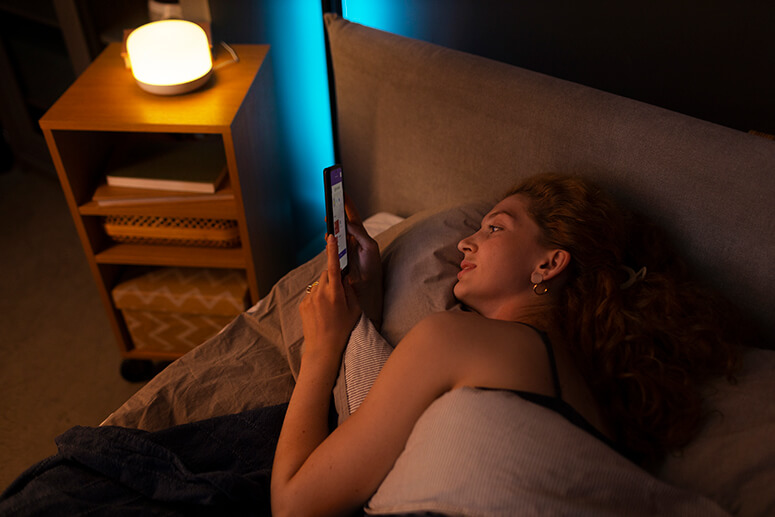
In the clinic, I increasingly encounter emotionally exhausted young adults, lonely seniors living alone, OFWs separated from families, married individuals quietly feeling invisible, teenagers surrounded by followers but starving for real friendship.
Loneliness today no longer looks like isolation in a dark room. Sometimes it looks like someone smiling in selfies while quietly feeling unseen.
Loneliness is not just emotional—it is biological
Loneliness is no longer simply the absence of company. In modern life, it is often the absence of being truly seen. Modern medicine now recognizes it as a major health risk

Research shows chronic loneliness is associated with depression and anxiety, heart disease, hypertension, weakened immunity, sleep disorders, cognitive decline and dementia, and shortened lifespan.
Some studies suggest severe social isolation may carry health risks comparable to smoking or obesity. Why? Because the human brain interprets prolonged loneliness as a form of stress.
The body responds by increasing cortisol, inflammation and sympathetic nervous system activity. In short: The body suffers when human connection disappears.
The Filipino family is changing
Traditionally, Filipino culture was deeply communal. People grew up surrounded by extended families, neighbors, cousins, church communities and endless conversations during meals.

Privacy was nearly impossible. Silence was rare. Now many families eat separately, one watching Netflix, another scrolling TikTok, another answering emails, someone else gaming online
Everyone is together physically—but mentally somewhere else. Technology has improved communication. But it has also fragmented attention. And attention, in many ways, is the purest form of love.
The attention crisis
Loneliness today is closely tied to another modern condition: broken attention spans. We have become increasingly uncomfortable with silence, stillness, uninterrupted conversation and sustained listening. Even during meals, many people instinctively reach for phones every few minutes —as if reality itself now requires buffering.

A friend once joked: “Doc, minsan feeling ko mas kilala pa ako ng algorithm kaysa ng pamilya ko.”
Funny. But unsettlingly possible. Social media platforms are designed to capture attention—not necessarily deepen relationships. And the more attention is fragmented, the harder genuine connection becomes.
The OFW heartbreak
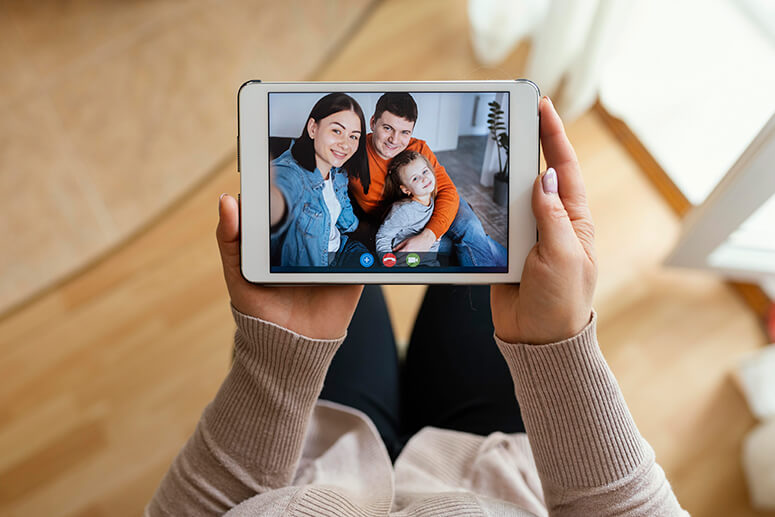
Few nations understand emotional separation better than the Philippines. Millions of OFWs sacrifice daily presence for financial survival.
Parents miss birthdays, graduations, ordinary dinners and quiet moments impossible to replace through screens.
Video calls help—but they cannot fully substitute for hugs, eye contact, shared silence and physical presence. Loneliness among OFWs remains one of the most under-discussed emotional burdens in Filipino society.
Loneliness among the elderly
Many elderly Filipinos now live surprisingly isolated lives. Children migrate abroad. Friends pass away. Mobility declines. Conversations become fewer. One elderly patient admitted: “Doc, minsan gusto ko lang may makausap.”
Not medicine. Not laboratory requests. Conversation. Sometimes the deepest human need is not treatment—but companionship.
Even marriage does not immunize against loneliness
This may be the most misunderstood truth of all: You can be married… and still feel lonely. Loneliness is not the absence of people. It is the absence of emotional connection. Some couples share homes, bills, schedules and responsibilities—but no longer share inner lives.
They communicate logistics instead of feelings: “May bayad na ba Meralco?” “Sunduin mo si bunso." and “Anong ulam?”
And slowly, emotional distance grows quietly inside ordinary routines.
A little humor, a serious truth
One modern sign of loneliness may be this: You accidentally open your front camera and suddenly realize you haven’t seen your own exhausted face properly in weeks. Even worse: sometimes your food delivery rider knows more about your daily schedule than your closest friends.
We laugh—but beneath the humor lies a profound societal shift.
How do we heal?
There is no pill for loneliness. Healing begins with restoring rhythms of real human presence. Perhaps we need more family dinners without phones, longer conversations, slower weekends, visits to aging parents, deeper friendships, Sabbath rest, shared meals, worship communities, listening without multitasking.
Faith communities such as Project Grow Makati and Overflow Ortigas quietly provide spaces where people gather not merely to attend services —but to reconnect emotionally, spiritually and relationally. Sometimes healing begins simply by hearing: “You are not alone.”
The final prescription
Modern society has mastered connectivity—but forgotten presence. Perhaps the solution is not more notifications, more apps, or faster internet. Perhaps the answer is beautifully old-fashioned sitting together, listening fully, praying together, laughing at the same table, showing up physically for one another
Because at the end of the day, the human heart does not merely need information. It needs belonging. And no algorithm—no matter how advanced—can fully replace that.

WATCH: Is Gen Z too soft? (Generations Ep. 23)
September 30, 2026
WATCH: Is OPM still as good as it used to be? (Generations Ep. 20)
September 9, 2026
WATCH: Is Philippine cinema still thriving? (Generations Ep. 19)
September 2, 2026