

How to guide your kids through violence and tragedy in school
Following tragedies involving young individuals—including the deaths of Ateneo student-athletes Rene Baterbonia and Divine Adili and a fatal shooting at a high school in Tacloban City—a wave of anxiety has swept across the country. Many Filipino families are left shaken by these recent events and are now navigating painful, difficult conversations as they confront a growing fear for their children's safety.
As details of these incidents spread across social media and news outlets, parents are faced with questions from children who may be confused, frightened, or struggling to make sense of what happened.
For some, this is made even harder by the fact that adults themselves are still processing the emotions of these events.
To help families navigate this uncertainty, trauma experts and psychologists share essential guidance on fostering safety and open communication.
How to start difficult conversations
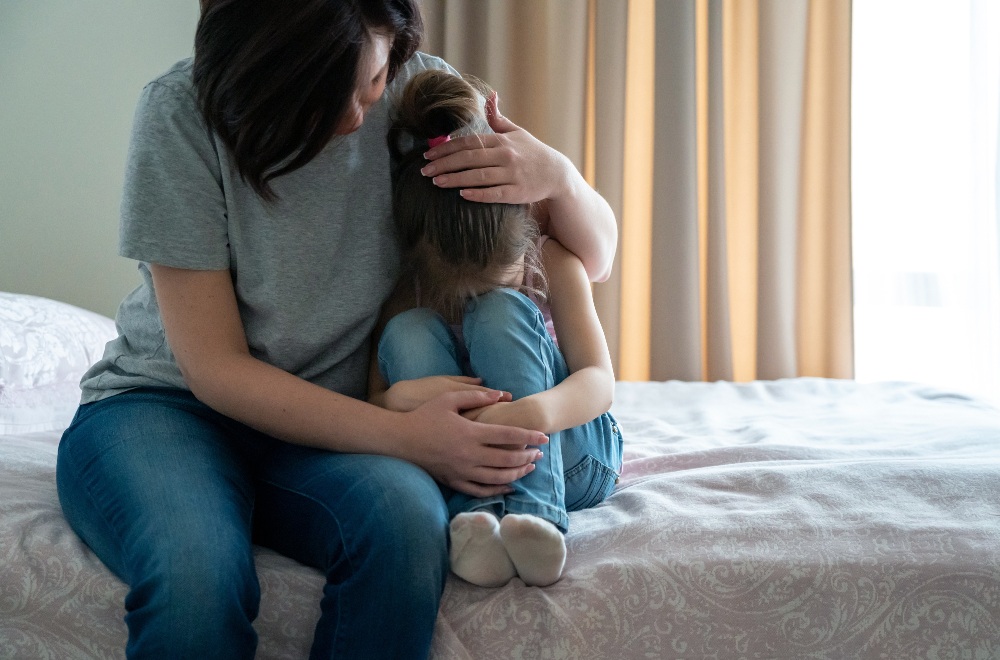

Psychologist and traumatologist Frances Miranda told PhilSTAR L!fe that while topics about violence and tragedy can feel daunting, creating a safe space for children to talk is already a vital first step. She encourages parents to begin by asking open-ended questions such as, "What have you heard about what happened?" or "How are you feeling about it?" because children often know far more than adults realize through peers and online content.
The key is to meet children where they are developmentally. She said that younger children generally need "simple, honest explanations and reassurance" that adults are working hard to protect them, whereas older children and adolescents may want deeper information and need help making sense of the overwhelming media they consume.
Fellow clinical trauma professional Renz Dave Albay echoes this strategy of checking what a child already knows, noting that "what they imagine can be more intense than the reality." From there, he advises parents to offer "simple, age-appropriate information," clarify what is real from fantasy, and remind children of the safety measures implemented at their schools.
While Albay clarified that there is no perfect explanation for every tragedy, he emphasized that what truly matters is "creating an avenue where the child feels safe to have these conversations."
What to avoid
To ensure these conversations remain helpful, adults should actively avoid giving graphic details or overexposing children to continuous media coverage as it can "sometimess increase distress," Albay stressed.
Experts warn that avoiding the topic altogether or shutting down a child's natural curiosity can backfire, as "children may fill in the gaps on their own, sometimes imagining things that are even scarier."
Miranda further noted that statements like "Don't worry" or "Everything is fine" can be counterproductive.
"While these responses come from a place of love, they can unintentionally shut down a child's feelings. A more helpful response might be, 'I can see that this is really upsetting for you. Do you want to tell me more about what you're feeling?'" she said.
Managing adult anxiety
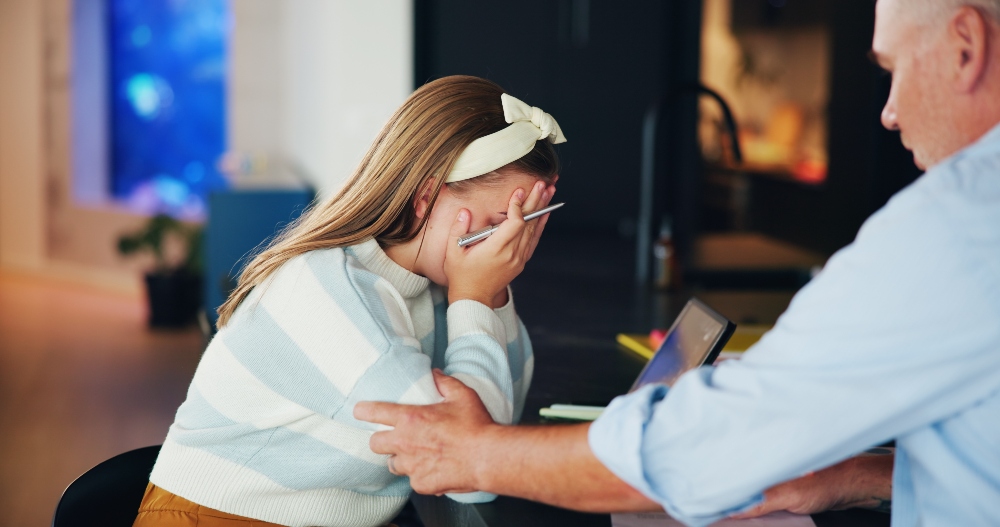
Managing these discussions can be particularly tough when adults themselves are scared and finding recent events difficult to process. Albay assured that while they do not need to appear unaffected, they still need to model "steadiness or regulation."
"Madaling makiramdam ang mga bata. They take cues from the emotions of the adults around them," he said. "It is okay for a parent to share how they feel in a regulated manner kasi it communicates honesty."
Miranda underscored that maintaining daily routines—such as family meals, bedtime routines, attending school, and spending quality time together—is incredibly grounding because it sends a powerful message that life continues and predictable parts of their world remain intact.
More importantly, she urged parents to "care for themselves."
"Children often pick up on the emotional state of adults, so seeking support, limiting exposure to distressing news (especially on social media), and processing their own emotions with trusted adults can help parents better support their children," she said.
However, if these events begin to affect a child's daily life for several weeks, experts say it may be time to seek professional help.
"If the child does not seem to be improving or stabilizing over time, or if their reactions are significantly disrupting school, sleep, or their general sense of safety, it may be helpful to seek professional support," Albay said.
How schools can prepare their students
Educational institutions also play a crucial role in helping children feel safe and prepared, though Albay said "it should not be a like a fear-mongering approach," it should be "developmentally appropriate and trauma-informed."
"Protocols should be age-appropriate. School personnel should be trained on how to respond during emergencies. Students should also be aware of how or to whom should they report threats. And if there are drills, I believe that emotional processing or discussion should be conducted after," he added.
Miranda emphasized that schools should not wait for a tragedy to happen before prioritizing student wellness. It requires investment in comprehensive mental health programs, social-emotional learning initiatives, values formation, and age-appropriate psychosocial support.
"These programs help children develop emotional regulation, resilience, empathy, healthy coping skills, and a sense of meaning and connectedness—all of which are protective factors against violence and psychological distress," she continued.
She also said that schools must adequately fund their budgets to hire guidance counselors, school psychologists, and other mental health professionals.
Tips on surviving an active shooting
Meanwhile, the Philippine National Police has shared tips on what to do during an active shooting. The agency highlighted how "every second counts" in the face of an active shooter threat, which is why it's crucial to "stay calm, communicate clearly, and obey police instructions immediately."
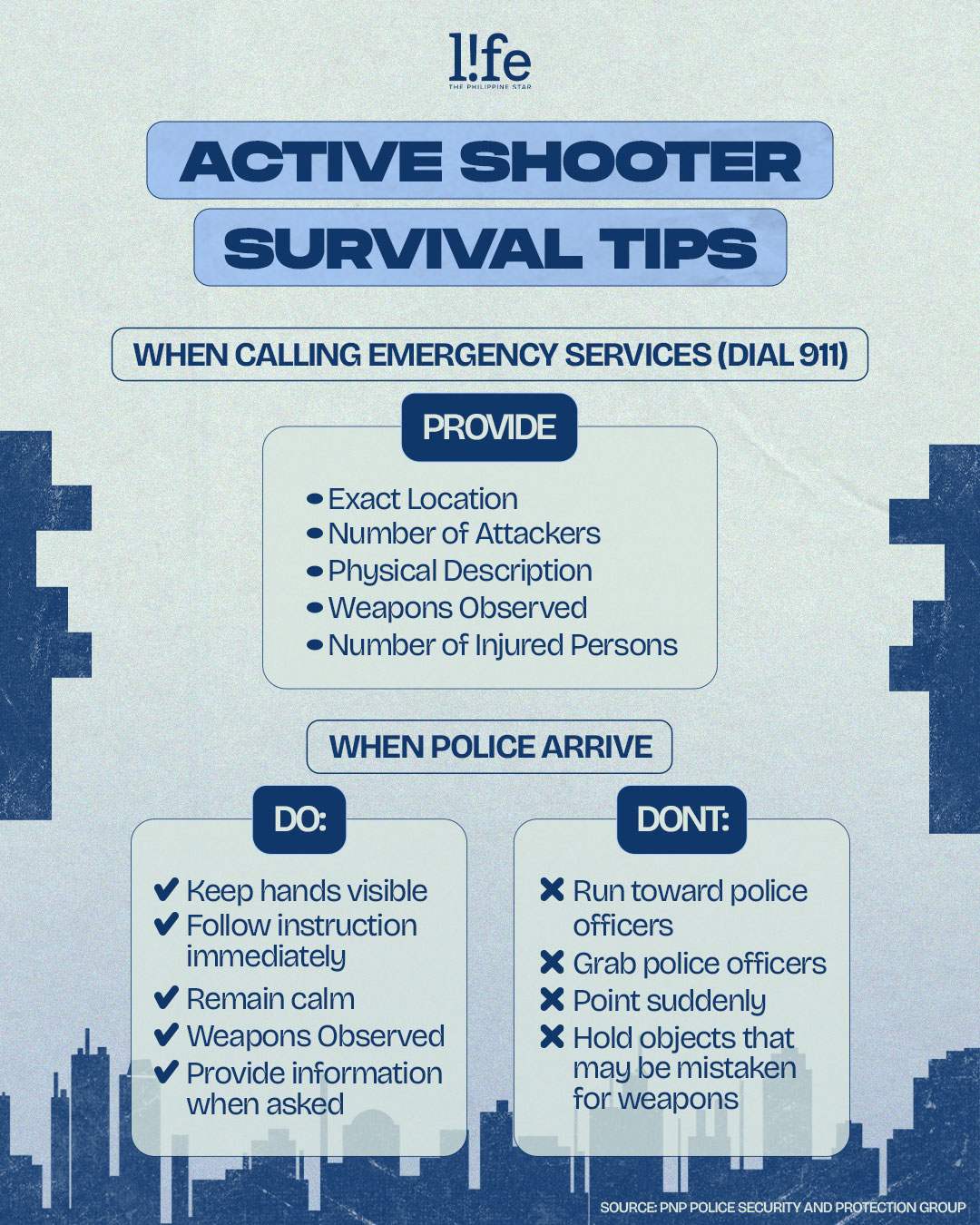
When calling emergency services, one must provide the exact location of the shooting, the number of attackers and their physical description, weapons observed, and the number of people who are injured.
As soon as authorities arrive, individuals must refrain from running or grabbing police officers as well as pointing suddenly or holding objects that may be mistaken for weapons. Instead, they must keep your hands visible, follow instructions immediately, remain calm, and provide information when asked.

WATCH: Discovering Vietnam in three days
June 9, 2026
WATCH: Do you still believe in marriage? (Generations Ep. 17)
August 19, 2026