

How does gun violence affect children, and how can you help them cope?
Violent incidents, such as a school shooting, may affect a child's mental health.
On June 22, a shooting incident took place at San Jose National High School in Tacloban City, leaving three minors dead and seven others injured in the wake.
Two suspects, both minors attending the school, have been arrested. Initial probe by police stated that a grudge for bullying appeared to be the motive behind the gruesome incident.
Following the incident, the Department of Education said it is working to deploy medical assistance and appropriate psychosocial interventions to learners and staff.
School shootings are rare in the Philippines, but there have been other recent violent incidents where students were injured. On June 16, a 14-year-old eighth grader entered a Grade 5 classroom, wounding seven students in Gen. Trias, Cavite.
In cases like this, it's important to know how gun violence may affect children's mental health and how the people around them can help them cope.
How does gun violence affect children?
CONTINUE READING BELOW

Registered psychologist and Acceptance and Commitment Therapy-informed (ACT-informed) psychotherapist Lanz Paolo Olegario explained to PhilSTAR L!fe that exposure to gun violence can have lasting psychological effects on children, even when they are not directly harmed.
"Children and teens may experience fear, anxiety, nightmares, intrusive memories, irritability, difficulty sleeping, difficulty concentrating, or sudden changes in behavior. Some may become more clingy. Others may withdraw. Some may seem 'okay' at first but show signs later," he said.
Olegario noted that traumatic experiences can lead children to internalize fears in ways that affect their ability to learn, connect with others, and maintain routines.
"From an ACT perspective, the painful thoughts and emotions after a traumatic event are understandable. Fear is not the enemy. The concern is when children become fused with thoughts like 'I am not safe anywhere' or 'This can happen anytime,' to the point that they can no longer function, connect, learn, or return to normal routines," he added.
Clinical psychologist Jan Patrick Magpantay echoed these concerns, adding that children and adolescents can experience distress even when they are not directly involved in a violent incident, such as when they know the victims, live in the affected community, or are repeatedly exposed to media coverage.
"For children who have previously experienced trauma, incidents like these can also reactivate earlier fears and emotional wounds," he told L!fe.
"Research consistently shows that exposure to community violence is associated with increased risks for anxiety, depression, post-traumatic stress symptoms, behavioral difficulties, and academic challenges," he added.
Signs to watch out for
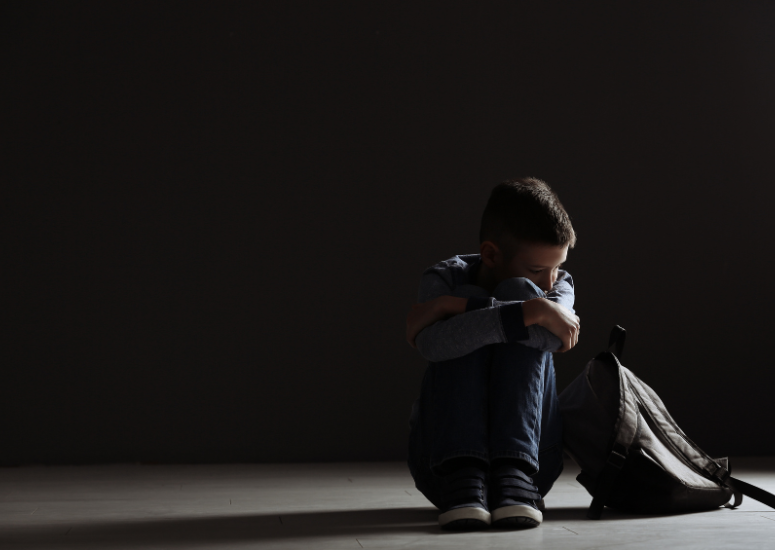
Magpantay said parents and guardians should be aware that some children may become withdrawn, quiet, or emotionally numb, while others may show irritability, clinginess, aggression, or heightened fearfulness.
According to the clinical psychologist, common signs include:
- Changes in sleep or appetite
- Frequent nightmares
- Difficulty concentrating
- Increased anxiety or excessive worrying
- Avoidance of places, people, or conversations related to the incident
- Sudden decline in school performance
- Increased emotional outbursts or tearfulness
Olegario added that some may also experience headaches, stomachaches, chest tightness, or other body symptoms. Teens may "become angry, numb, reckless, or overly focused on news and social media updates."
He echoed that it is also important to watch for avoidance behaviors, such as refusing to go to school, avoiding certain places, panics at loud sounds, or repeatedly asking if everyone is safe, as these may indicate that the nervous system remains in a heightened state of threat or survival response.
The experts noted that in younger children, trauma may also show up as regression, including bedwetting, separation anxiety, or an increased need for reassurance from caregivers.
Magpantay, however, reminded that trauma does not always look the same in every child.
Support to provide
The experts noted that children are better able to recover from traumatic events when they have a safe, calm, and supportive environment. It is not necessary to force them to talk immediately, but reassurance from emotionally available adults can help.
"Children benefit from opportunities to talk about their feelings without pressure or judgment. Adults should listen, validate emotions, answer questions honestly in an age-appropriate manner, and avoid exposing children to excessive or graphic media coverage," Magpantay noted.
"Maintaining routines can also be incredibly helpful because predictability creates a sense of safety. Encouraging healthy sleep, physical activity, social connection, and participation in normal daily activities can support recovery," he added.
They added that children experiencing significant distress can receive trauma-informed counseling or psychological support, including psychological first aid, family support, school-based mental health services, and referral to a qualified mental health professional when symptoms are intense or persistent.
"From an ACT lens, we help children notice painful thoughts and feelings without being controlled by them. We teach them grounding, breathing, naming emotions, and reconnecting with what matters, such as family, learning, friendships, faith, play, and hope," Olegario added.
"Healing does not mean removing fear immediately. Healing means helping the child feel fear while slowly returning to safety, connection, and life," he added.
Meanwhile, the experts likewise stressed that schools play a critical role in helping students regain a sense of safety and stability after violence through a trauma-informed response.
They also emphasized providing accurate information to minimize misinformation, creating safe spaces, offering access to counselors and referral pathways, training and supporting teachers, and maintaining routines while allowing flexibility for affected students.
"They need to know what happened in an age-appropriate way, what the school is doing to keep them safe, and where they can go if they feel distressed. Silence or vague reassurance can sometimes increase anxiety," Olegario underscored.
He added that schools should avoid shaming students for being afraid, stressing that “Fear after violence is not weakness. It is a human response to threat.”
Magpantay and Olegario emphasized that families and communities must be the steady sources of safety, as they are often the first and most important sources of healing after a traumatic event.
Children look to trusted adults for cues about their safety, making it crucial for parents, relatives, teachers, faith leaders, and community members to respond calmly, consistently, and with compassion and support.
Recovery can be aided by listening to children, maintaining routines, answering questions honestly, limiting exposure to graphic news, fostering open conversations, reducing stigma, and ensuring access to mental health support.
"One important reminder is that children do not necessarily need perfect explanations after a tragedy. More often, they need consistent reassurance that there are caring adults around them who will listen, protect them, and help them navigate difficult emotions," Magpantay said.
Both also stressed that healing is strengthened when children are surrounded by caring adults and communities that reinforce the message that they do not have to cope alone.
As Olegario stressed, “Recovery is not only an individual process. It is relational.” He added that children recover better when families, schools, and communities consistently reassure them that they are supported, that their fears are valid, and that there are people who will help them feel safe again.

WATCH: Is Philippine cinema still thriving? (Generations Ep. 19)
September 2, 2026
WATCH: Can we talk about death and grief? (Generations Ep. 25)
October 14, 2026