

What is survivor's guilt, and how can you cope with it?
On June 8, Ateneo Blue Eagles men's basketball team players Rene Baterbonia, 19, and Divine Adili, 21, drowned during a conditioning exercise in Dipaculao, Aurora, leaving behind their teammates who themselves had to fight through crushing waves to get to safety.
While the public immediately pounced on Ateneo de Manila University's apparent inability to handle the crisis, the surviving players and the Blue Eagles' coaching staff remained silent. On June 16, two of the athletes appeared on Pia Hontiveros' podcast, and three others showed up to the town hall arranged by the university.
It was only then that the public realized the magnitude of the trauma these young men had to carry since their teammates passed.
"Ang hirap tingnan na wala silang malay," recalled Jared Bahay during the town hall. "I was hoping na hindi pa po sila kukunin ni Lord."
"I still couldn't believe what was happening. Parang nakatulala na lang po ako," said Sam Reyes in Let's Talk with Pia Hontiveros, recalling how he initially refused to call his parents to tell them of the tragedy, just his sister. "I didn't want to tell them what happened because I was not ready...to tell anyone."
The athletes' initial emotional numbness and eventual grief are normal. Experts call it symptoms of "survivor's guilt."
CONTINUE READING BELOW

Take a look at what this psychological response is, how to cope with it, and how to support someone going through it.
What is survivor's guilt?
It is "a psychological response that occurs when a person survives a traumatic event while others died, were injured, or experienced greater harm," Clinical psychologist Dr. Jan Patrick Magpantay told PhilSTAR L!fe. "Individuals may struggle with thoughts such as, 'Why did I survive when they didn't?' or 'Could I have done something differently?'"
According to psychiatrist Kathryn Tan, survivor's guilt can be felt more strongly by people with a solid bond, such as members of a basketball team.
"For athletes, teams often function like families," said Magpantay. "After a traumatic loss, teammates may experience not only grief but also ask questions about fairness, responsibility, and identity."
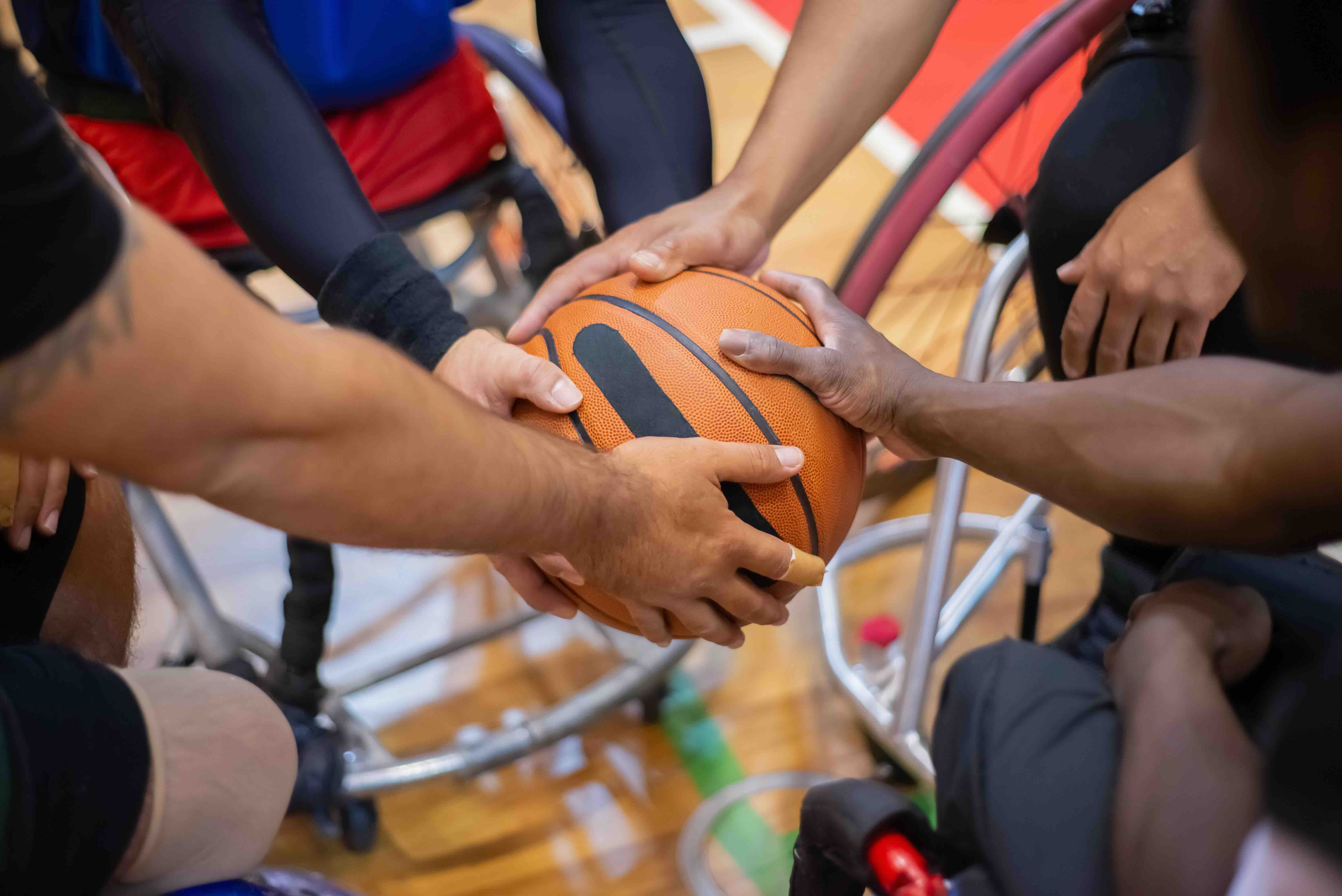
That's why, according to Tan, "Survivor’s guilt can be especially intense when the people involved are teammates, friends, or loved ones because of the strong emotional bond and sense of responsibility toward one another."
While this response to trauma is not a formal mental health diagnosis, Magpantay said it commonly occurs after "accidents, natural disasters, incidents of violence, military combat, medical crises, and tragic incidents, such as drowning accidents."
Although the survivors understand such incidents were most probably beyond their control, they still feel guilty.
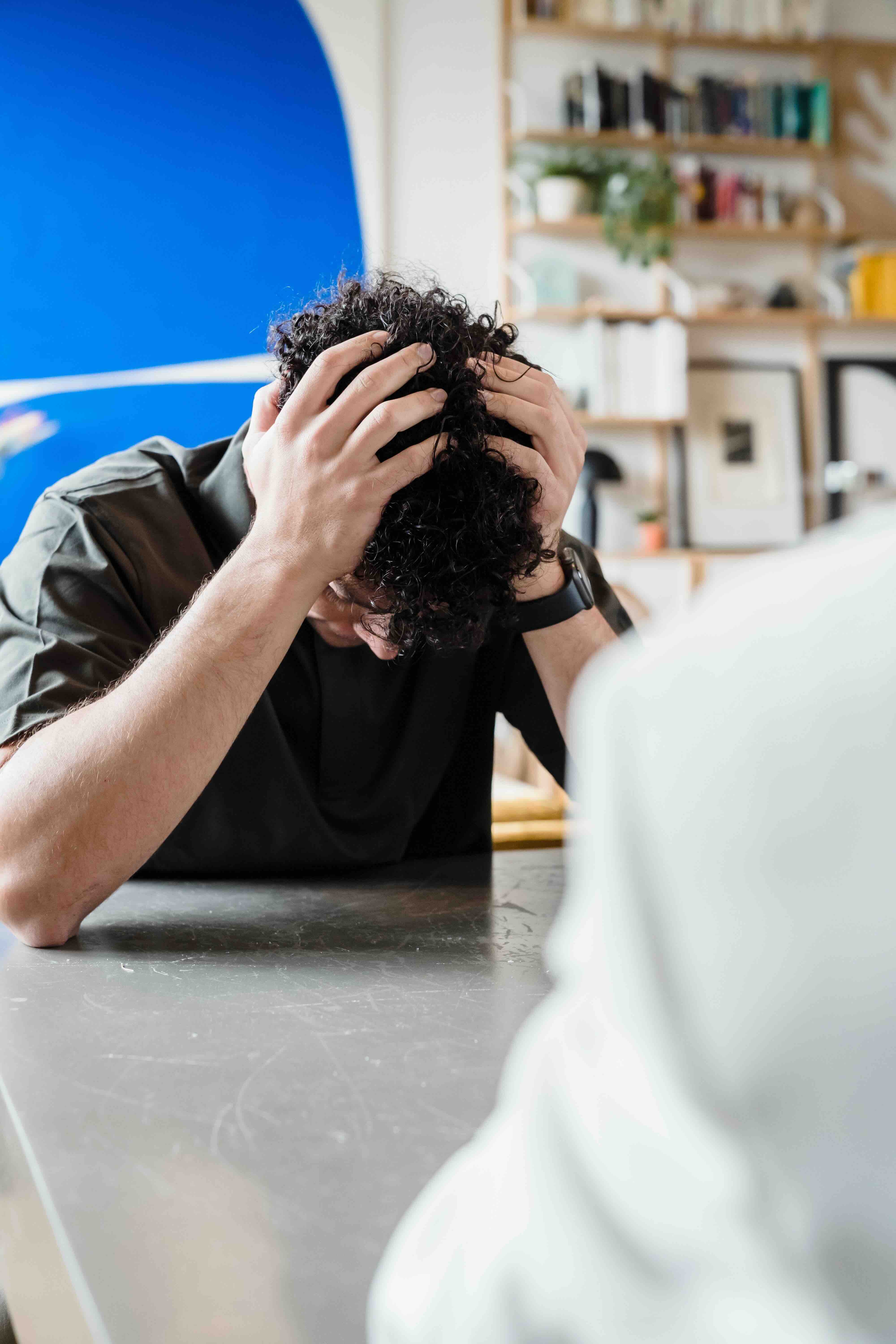
There are several signs to look out for to see if someone who has experienced a recent traumatic event is dealing with survivor's guilt, according to Magpantay:
- Having persistent feelings of guilt or self-blame; replaying the event repeatedly and questioning personal actions
- Constantly wondering whether different decisions could have changed the outcome
- Being unable to process the loss and feeling sadness or grief, or, on the other end, being emotionally numb
- Feeling constantly on edge and worried that another tragedy might happen
- Having difficulty sleeping
- Pulling away from peers, friends, teammates, or loved ones
- Feeling undeserving of happiness, success, or future opportunities
- Being unable to concentrate
According to Tan, if these symptoms persist or become too significant that they affect one's daily routine, professional help may be beneficial.
How to cope with this trauma response
Self-compassion is key to overcoming the guilt of surviving a loved one.
Remind yourself that your feelings are appropriate. "Guilt after trauma is common, and feeling this way does not necessarily mean you are responsible for what happened," Tan told L!fe.
Blaming oneself is normal, too. However, Tan recommends you challenge it and "recognize there are things beyond our control."
Although it may feel comforting and safe to withdraw from company as the trauma pans out, both Magpantay and Tan advise against it. "Sharing thoughts and emotions with trusted friends, family members, coaches, counselors, or mental health professionals can help reduce isolation and challenge self-blaming beliefs," said Magpantay.
"Seeking support is not a sign of weakness; it is often one of the healthiest steps toward healing," he continued.
"It is often easier when you don’t go through it alone," added Tan.
As you try to heal, try to look beyond yourself toward the person or persons you lost and honor them in a meaningful way. Magpantay suggested participating in memorial activities, committing to advocacy work and community service, and performing other acts of remembrance. These will help you find meaning, which "can help transform guilt into purposeful action," he said.
You may also try to "speak to yourself the way you would speak to a teammate or friend who survived the same event," said Magpantay.
Tan suggested allowing yourself to heal. "Moving forward does not mean forgetting. Healing and remembering can exist at the same time," she said.

Supporting someone with survivor's guilt
A friend's main task when helping someone gripped with survivor's guilt is to listen without offering to "fix" their feelings.
According to Magpantay, it will help a friend going through it if you allow them to talk openly about their emotions "without rushing them toward acceptance or positivity."
Acknowledge their experience and support them with helpful statements, such as "I'm here for you," "What happened was very painful," "Tell me what you're feeling," "What you're feeling is understandable. I can only imagine what you're going through," or "It's okay to grieve and have difficult emotions."
The last thing you would want to do is argue with them. However, if they are displaying excessive self-blame, Magpantay suggested you gently challenge it and "help them consider the reality of the situation and factors outside their control."
"Be patient, because grief and trauma look different for everyone," said Tan. "Encourage rest."
If symptoms become too intense or you feel these are interfering with your friend's daily functioning, encourage them to seek professional help.
As you help your friend get over their guilt, remember to avoid saying the following statements, which, while often well-intentioned, "can unintentionally minimize the person's grief and emotional pain," said Magpantay.
- "Just move on."
- "Everything happens for a reason."
- "At least you're alive."
- "You shouldn't feel guilty."
- "Be grateful and stop thinking about it."
- "You were just watching it; you didn't experience it."
- "Be strong."
"The goal is not to 'get over' the tragedy but to gradually learn how to carry the loss while continuing to live, grow, and honor those who were affected," said Magpantay.
Tan told L!fe survivor's guilt is "not a sign of weakness—it often reflects love, empathy, and deep bonds with others."