

Young Filipinos need accurate information about sexual health and HIV
There are health crises that announce themselves loudly. An epidemic fills emergency rooms. A typhoon overwhelms hospitals. A new virus dominates the headlines. And then there are crises that grow quietly.
The Philippines’ HIV epidemic belongs increasingly to the latter category.
The Philippines is confronting one of the fastest-growing HIV epidemics in the Asia-Pacific region, and an alarming proportion of new diagnoses involves young people, including Gen Zs. Yet perhaps the most troubling problem is not simply how many young Filipinos acquire HIV, but how late our health system often reaches them.
HIV prevention cannot begin when symptoms appear or when a frightened young person finally enters a clinic. We must move from reactive medicine to proactive prevention—through accurate education, confidential testing, condoms, early treatment and, above all, a culture in which seeking sexual-health care carries neither shame nor judgment.
Recently, Senator JV Ejercito raised alarm during a Senate budget hearing over data indicating that the Philippines has the highest adolescent HIV incidence among ASEAN countries, with young people comprising roughly three in every 10 new cases. He called for stronger efforts to educate and protect Filipino youth.
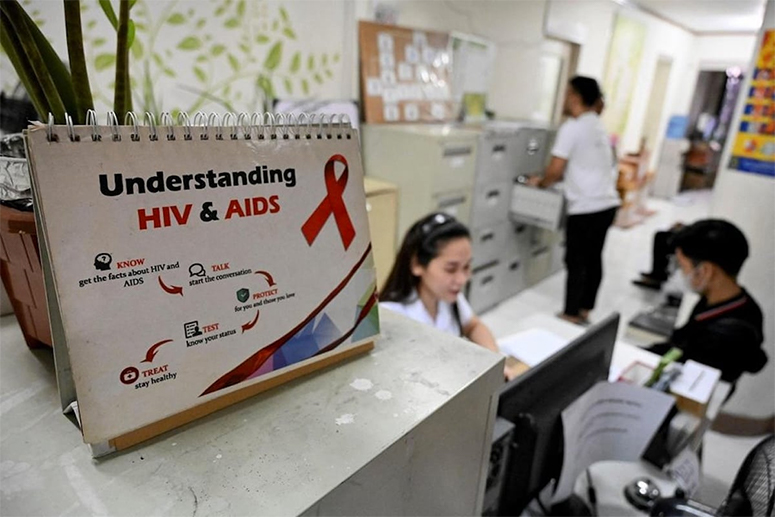

The latest government surveillance data reinforce the concern.
During the first quarter of 2026, the Philippines recorded 4,633 newly confirmed HIV cases—an average of 51 diagnoses every day. Nearly one-third, or 31 percent, involved young people aged 15 to 24.
During the second quarter, reported diagnoses declined to 2,994—but young people still accounted for 31 percent of cases.
We should welcome any genuine decline in new infections. But we should not mistake a short-term reduction in reported diagnoses for victory over the epidemic.
UNAIDS has described the Philippines as experiencing one of the fastest-rising HIV epidemics in the region. Something is clearly not working. Waiting for symptoms is already too late.
Don’t wait for the rash. Don’t wait for painful urination. Don’t wait for unexplained weight loss. Don’t wait until the immune system has already been severely damaged.
A newly published national study offers an important clue. Researchers examining Filipinos aged 15 to 24 found that 31.9 percent reported having experienced symptoms associated with sexually transmitted infections, such as painful urination or genital itching. Yet among those reporting symptoms, only 32.6 percent sought help from a health professional.
Think about that. Even after symptoms appeared, roughly two-thirds did not seek professional care. But there is an even more important problem.
Many sexually transmitted infections—including HIV—may initially cause no obvious symptoms at all.
If our strategy depends on young people feeling sick before they seek care, we have already surrendered one of prevention’s greatest advantages: time.
This is the difference between reactive and proactive medicine.
Reactive medicine asks: “What symptoms do you have?”
Proactive medicine asks: “What risks have you had, and how can we protect you before disease develops?”
For HIV, that difference can change lives.
The tests we’re afraid to take
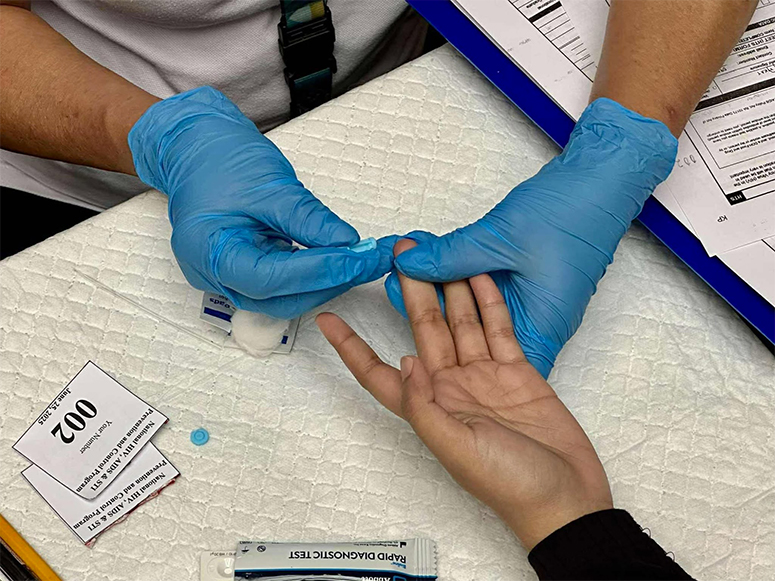
There is still enormous stigma surrounding HIV testing. Some young people fear discovering the result. Others fear their parents finding out. Some worry about being judged by healthcare workers.
Others tell themselves: “I feel perfectly healthy. Why should I get tested?”
But feeling healthy does not exclude HIV.
Indeed, one of the great challenges of HIV is that a person may live for years without obvious symptoms while the virus progressively damages the immune system and may be transmitted to others.
Our surveillance figures reveal the consequences of delayed diagnosis. In Q1 2026, about one in four newly diagnosed Filipinos already had advanced HIV disease. In Q2, the proportion was 28 percent.
That is not simply a treatment problem. It is a testing problem. We need to normalize HIV testing the way we have normalized checking cholesterol, blood sugar or blood pressure among people with appropriate risk factors.
Testing should not be interpreted as an admission of promiscuity. It is responsible healthcare.
Prevention has changed
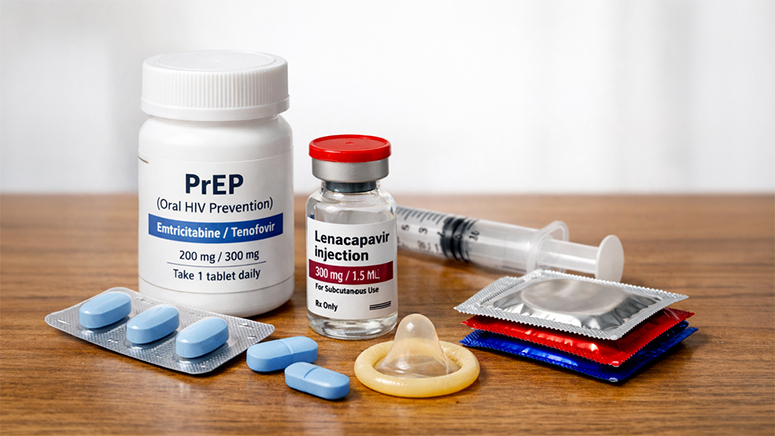
Many people still think HIV prevention consists of one message: Use condoms. Condoms remain extremely important because they can reduce transmission of HIV and other sexually transmitted infections when used correctly and consistently. But modern HIV prevention offers much more.
One of the most important advances is pre-exposure prophylaxis, or PrEP. For people who do not have HIV but are at substantial risk of acquiring it, appropriately prescribed PrEP is highly effective in preventing HIV when taken as directed.
Then there is PEP—post-exposure prophylaxis—which can reduce the risk of infection after a potential exposure if started promptly, ideally as soon as possible and within 72 hours.
These are remarkable tools. Yet a medicine cannot prevent infection if the people who need it do not know it exists—or are too ashamed to ask for it.
Treatment itself prevents transmission
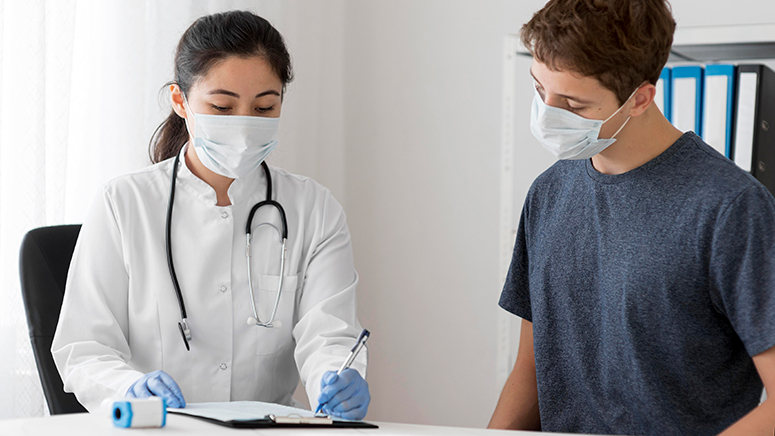
Perhaps one of the most hopeful developments in HIV medicine deserves much wider public understanding. Modern antiretroviral therapy can suppress HIV in the bloodstream to undetectable levels.
When a person living with HIV takes effective treatment and maintains an undetectable viral load, that person does not transmit HIV through sex.
This is summarized by one of the most powerful messages in contemporary HIV care: U=U (“Undetectable” equals “Untransmittable”).
Treatment therefore serves two purposes. It protects the health of the person living with HIV. And it prevents further sexual transmission. That transforms HIV treatment into HIV prevention.
Education without moralizing
This is where our response becomes more difficult. Sexual health remains uncomfortable territory in many Filipino families. Parents worry that discussing condoms or HIV prevention will encourage sexual activity.
Schools may hesitate. Teachers may feel inadequately prepared. Religious and cultural values understandably shape how families discuss sexuality. But silence is not protection.
The internet will educate our children if we do not. Unfortunately, the internet does not always distinguish medicine from misinformation, pornography from healthy relationships, or risk-taking from responsibility.
Comprehensive, age-appropriate sexuality education need not undermine Filipino family values. Properly done, it can reinforce them.
It can teach young people that relationships involve respect, consent and responsibility. That delaying sexual activity is a legitimate and protective choice. That if they become sexually active, they must understand pregnancy and infection risks. That condoms reduce risk. That testing is responsible. That PrEP exists. And that no young person deserves humiliation for asking for medical help.
Make the clinic easier to enter
Education alone will fail if young people have nowhere they feel safe seeking care. Youth-friendly services must be accessible, affordable, confidential and nonjudgmental.
A teenager or young adult who finally gathers the courage to ask about an STI should not encounter raised eyebrows, moral lectures or ridicule. That single negative encounter may prevent another visit for years.
The recent youth study found very low levels of engagement with HIV services: 93 percent of respondents had never been tested for HIV, and almost 90 percent had never heard of antiretroviral medication. These numbers should concern us.
The DOH has proposed increasing funding for HIV and STI prevention in 2027, including expanded access to PrEP, HIV testing, condoms, antiretroviral medicines and viral-load monitoring. It is also working with PhilHealth to integrate HIV testing into YAKAP clinics and link patients to accredited treatment centers.
Those are important steps, but services must ultimately reach the young person who needs them.
Replace shame with science
We must also change the language surrounding HIV. HIV is not a punishment. It is not evidence of someone’s worth or morality. It is an infectious disease. And today it is both preventable and treatable.
A young Filipino diagnosed early and treated effectively can live a long and productive life. The greater tragedy is the infection that could have been prevented, the diagnosis delayed by fear, or the young person who knew something was wrong but remained silent because asking for help felt more frightening than the illness itself.
That is why our response must move upstream. Don’t wait for the rash. Don’t wait for painful urination. Don’t wait for unexplained weight loss. Don’t wait until the immune system has already been severely damaged.
Educate before exposure. Protect before infection. Test before symptoms. Treat before complications. And remove stigma before it drives another frightened young Filipino away from care.
Medicine is at its best not when it rescues people from preventable disease. It is at its best when the rescue is never needed.
For the Philippines’ young generation, that is the shift we urgently need—from reactive care to proactive prevention.

WATCH: Save for retirement or enjoy life now? (Generations Ep. 21)
September 16, 2026
WATCH: Is Gen Z too soft? (Generations Ep. 23)
September 30, 2026