

The kidney crisis we don’t see coming
Our kidneys work quietly, filtering waste, balancing fluids, and helping regulate blood pressure. Yet millions of people worldwide live with chronic kidney disease without knowing it. By the time warning symptoms appear, substantial damage may already have occurred.
The encouraging news is that simple tests can detect kidney problems early, while modern treatments can often slow their progression. Perhaps it is time we paid more attention to these two remarkable organs before they begin asking for help.
For most of my years as a cardiologist, I have routinely checked my patients’ blood pressure, cholesterol, and blood sugar. But there is another important measurement that deserves equal attention.
How well are their kidneys functioning?
We have two kidneys, each roughly the size of a fist. Together, they filter our blood continuously, removing waste products and excess fluid while maintaining the delicate balance of electrolytes our bodies need.
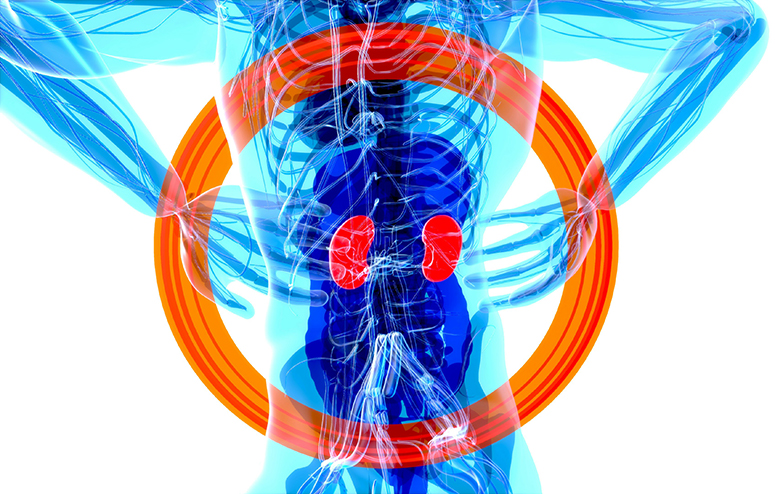
They also help regulate blood pressure, produce hormones involved in red blood cell formation, and activate vitamin D for bone health.
CONTINUE READING BELOW

Yet despite their remarkable workload, our kidneys rarely complain. They do not usually hurt when their filtering capacity gradually declines. They do not necessarily announce trouble with swelling or changes in urination. And that is precisely what makes chronic kidney disease so dangerous.
Kidney failure is often the final chapter of a disease that began many years earlier. The best time to change that story is long before symptoms appear.
The disease that hides in plain sight
Chronic kidney disease, or CKD, refers to abnormalities in kidney structure or function that persist for at least three months and have implications for health.
It affects an estimated one in 10 adults worldwide, although estimates vary depending on the population and diagnostic criteria.
In the Philippines, the burden is particularly concerning because hypertension and diabetes—two major causes of kidney damage—are common, while early screening remains inconsistent.
Many Filipinos discover they have kidney disease only when symptoms appear or routine laboratory tests reveal substantially impaired function.
Some are diagnosed during hospitalization. Others learn about their condition only when dialysis becomes necessary. By then, opportunities for early intervention may have been missed.
But here is the important message: Kidney failure is often the final chapter of a disease that began many years earlier. And unlike many medical emergencies, we may have considerable time to change the story.
Your heart and kidneys are partners
As a cardiologist, I find the relationship between the heart and kidneys particularly important. These organs are intimately connected. The heart pumps blood to the kidneys. The kidneys regulate fluid balance, blood pressure, and several processes that affect the cardiovascular system.
When one organ suffers, the other frequently follows. Uncontrolled hypertension can damage the kidneys’ delicate blood vessels. Damaged kidneys, in turn, can worsen hypertension through fluid retention and hormonal changes.
Diabetes adds another layer of risk by damaging the kidneys’ filtering units. Over time, this can create a dangerous cycle of progressive kidney dysfunction and cardiovascular disease.
People with CKD face an increased risk of heart attack, heart failure, stroke, and premature death.
Indeed, for many patients with early or moderate CKD, cardiovascular complications represent a greater immediate threat than progression to dialysis. Protecting the kidneys is, therefore, also a way of protecting the heart.
Two tests that can change your future
Fortunately, detecting CKD does not necessarily require expensive or sophisticated examinations. Two relatively simple laboratory assessments provide remarkably useful information.
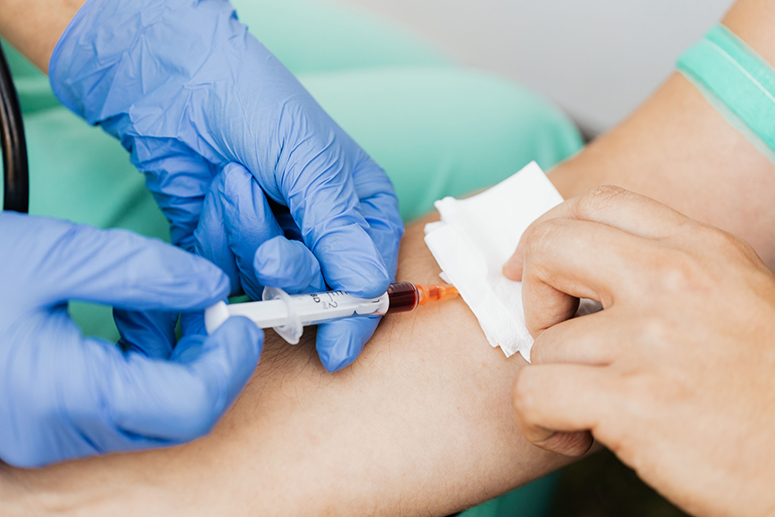
The first is a blood test measuring creatinine, from which we calculate the estimated glomerular filtration rate, or eGFR. This estimates how efficiently the kidneys filter blood.
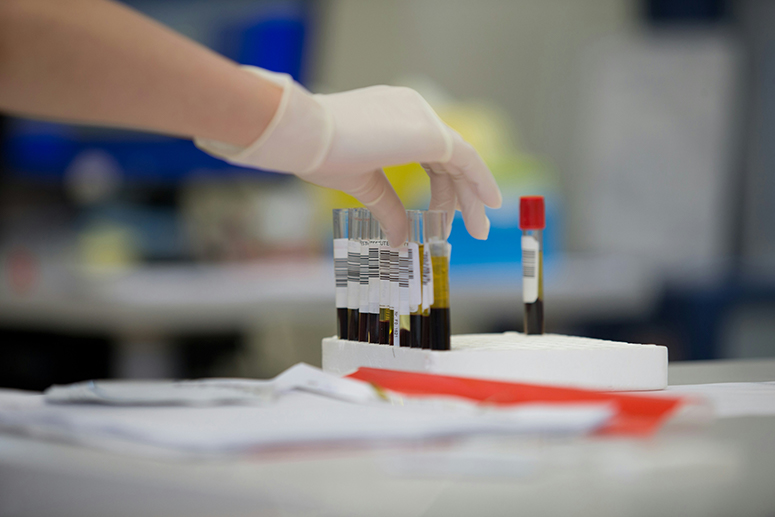
The second is the urine albumin-to-creatinine ratio, or uACR, which detects small amounts of albumin leaking into the urine. Albumin leakage can be an early sign of kidney damage, sometimes even when eGFR remains relatively normal.
Both tests are important. A person may have a seemingly acceptable eGFR but significant albumin leakage. Another may have reduced kidney function without much albumin in the urine. Together, the results help doctors assess kidney health and estimate future risk.
An abnormal result does not automatically mean someone has CKD. Results must be interpreted in context, and chronicity generally needs to be established over at least three months.
But the essential lesson is simple: Do not wait for symptoms before checking your kidneys, particularly if you have risk factors.
Who should be tested?
People with diabetes, hypertension, cardiovascular disease, a family history of kidney disease, or previous acute kidney injury deserve particular attention. Those taking potentially kidney-damaging medications or living with other conditions associated with CKD may also require monitoring.
Testing frequency depends on individual risk and previous results. For many patients with diabetes, annual kidney assessment is recommended. Others may require more frequent monitoring.
Routine kidney screening of every healthy, low-risk individual is not necessarily required. The objective is thoughtful, risk-based prevention—not indiscriminate testing.
The painkiller problem
There is another concern we should not overlook. Many Filipinos routinely take over-the-counter painkillers for headaches, arthritis, back pain, or muscle discomfort.

Some nonsteroidal anti-inflammatory drugs, or NSAIDs, such as ibuprofen and naproxen, can impair kidney blood flow and contribute to kidney injury, particularly when taken repeatedly, during dehydration, or by people with existing kidney disease.
This does not mean these medications are always unsafe. But frequent or prolonged use without medical supervision deserves caution.
Herbal preparations and unregulated supplements can also pose risks, especially when their ingredients, quality, or potential interactions are uncertain. And drinking excessive amounts of water will not magically cleanse damaged kidneys. Hydration needs vary. Patients with advanced kidney disease or heart failure may even require fluid restrictions.
A new era of kidney protection
For decades, kidney protection centered largely on controlling blood pressure, managing diabetes, reducing excess salt, and avoiding harmful medications.
These remain fundamental. But treatment has advanced considerably.
Medicines known as SGLT2 inhibitors, initially developed for diabetes, have demonstrated important kidney-protective and cardiovascular benefits in appropriately selected patients, including some without diabetes.
ACE inhibitors and angiotensin receptor blockers remain valuable for many patients with hypertension and albuminuric CKD.
Other therapies may also be appropriate depending on diabetes status, albuminuria, kidney function, and cardiovascular risk.
These treatments do not cure all forms of CKD. They require proper patient selection, laboratory monitoring, and medical supervision. Nevertheless, they have changed the outlook for many patients.
The goal is no longer simply to prepare someone for dialysis. It is to delay—and when possible, prevent—the progression toward kidney failure.
Prevention begins at home
We should never underestimate the power of ordinary habits. Maintain good blood pressure control. Manage diabetes effectively. Avoid smoking. Exercise regularly. Limit excessive sodium and heavily processed foods. Maintain a healthy body weight and follow a balanced dietary pattern. Review medications and supplements with your physician.
For people already living with CKD, dietary protein, potassium, phosphorus, and fluid recommendations should be individualized according to disease stage, nutritional status, and laboratory findings.
The objective is not to impose unnecessary restrictions but to preserve kidney function while maintaining overall health.
Before the kidneys begin to complain
There is a tendency in healthcare to focus on the dramatic moment. The patient gasping for breath. The emergency admission. The urgent dialysis session. But the greatest opportunity to prevent suffering may have occurred years earlier, during an ordinary consultation when a simple blood or urine test could have identified the problem.
This is why we must gradually move from reactive medicine to proactive healthcare. Not merely treating disease when it becomes obvious. But identifying risk while intervention can still make a meaningful difference.
The kidneys are remarkably faithful organs. They work day and night, asking for little attention and offering few complaints. Perhaps we owe them something in return.
Don’t wait for your kidneys to cry for help. By the time they do, they may have been struggling silently for years.
And remember: Protecting your kidneys is not simply about avoiding dialysis.
It is about protecting your heart, preserving your independence, and adding healthier years to your life.

WATCH: LGBTQIA+ people with unlikely professions
June 28, 2026
WATCH: Pixar Summer Fest adventure at Hong Kong Disneyland
August 10, 2026
WATCH: Can you still trust someone who betrayed you? (Generations Ep. 22)
September 23, 2026