

When leaders curse: Its impact on the national psyche
Words matter more than we like to admit.
We often say, “It’s just talk,” especially when public figures—politicians, influencers, even leaders we admire—use strong language, curse in frustration, or casually throw around harsh, sometimes violent words in speeches and interviews.
Many adults shrug it off. “Ganyan talaga ang politika,” we say. That’s just how things are. But if we pause for a moment and look beyond the noise, a more important question emerges: What happens when this kind of language becomes normal—not just for us, but for the next generation?
The invisible audience: Our children
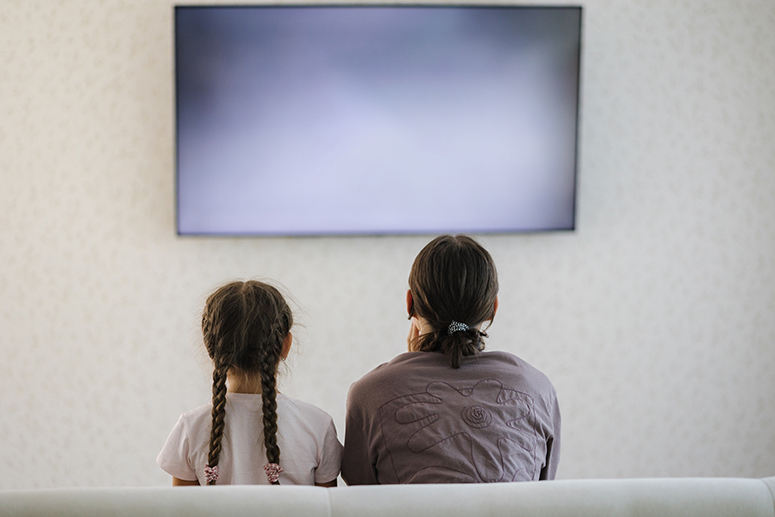
Every public speech today is no longer confined to a podium or a rally. It is clipped, shared, replayed, and amplified across screens—phones, tablets, televisions. And watching, often quietly, are children and young people.
They may not fully understand policy debates or political context, but they understand tone. They absorb emotion. They notice who is being praised—and who is being mocked, insulted, or attacked.
In medicine, we know that early exposures matter. The environments we grow up in—what we hear, see, and feel—shape how our brains develop and how we respond to the world.

The same is true for language.
How behavior is learned
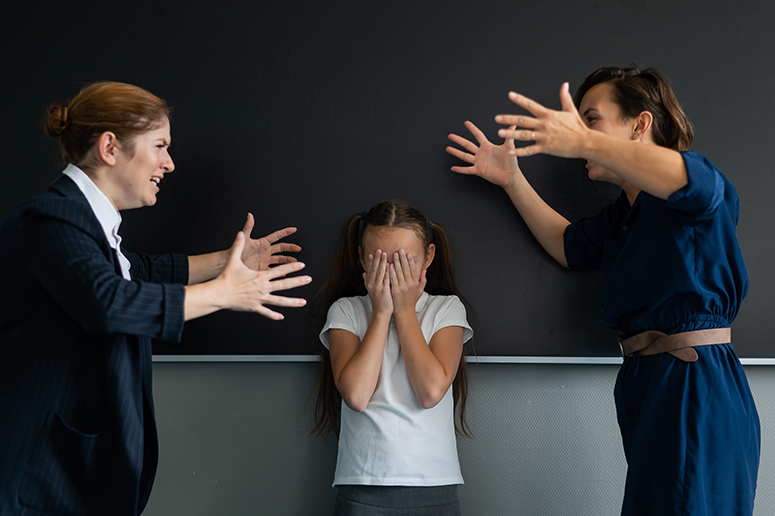
Psychologists have long established that behavior is learned not only through instruction, but through observation. Children imitate what they see, especially when it comes from authority figures. And today, politicians are among the most visible authority figures in society.
When a leader curses or uses aggressive language, it sends a subtle but powerful signal: This is acceptable. This is how power speaks.
If we normalize harsh words at the top, we should not be surprised when they echo at every level below.
For a child, the lesson is not theoretical. It is practical. “If they can say that, maybe I can, too.”
From words to attitudes
It would be easy to dismiss this as harmless imitation—just words, after all. But words rarely stay as words. Language shapes thinking. Thinking shapes behavior. If we normalize harsh words at the top, we should not be surprised when they echo at every level below.
When harsh, insulting, or violent language becomes common, it gradually lowers the standard of how we treat one another. We begin to see disagreement not as something to discuss, but something to defeat. We shift from arguing ideas to attacking people.
Over time, respect becomes optional. Civility becomes negotiable.
In clinical practice, we often see how repeated exposure changes perception. What once felt shocking becomes familiar. What was once unacceptable becomes tolerated.
This is how desensitization works—not suddenly, but slowly, quietly, almost unnoticed.
The emotional climate we create
Beyond individual behavior, there is a broader effect—the emotional tone of society. When public discourse is filled with anger, sarcasm, and hostility, it creates an environment that feels tense, reactive, and divided. Even those who do not participate directly are affected.
We see it in everyday conversations. Social media exchanges become more combative. Differences escalate more quickly. People become less willing to listen—and more ready to respond, and curse back.
For young people growing up in this environment, this becomes their baseline. They learn that public life is loud, confrontational, and unforgiving. They learn that strength is shown not through calm reasoning, but through forceful expression.
The subtle cost to the national psyche
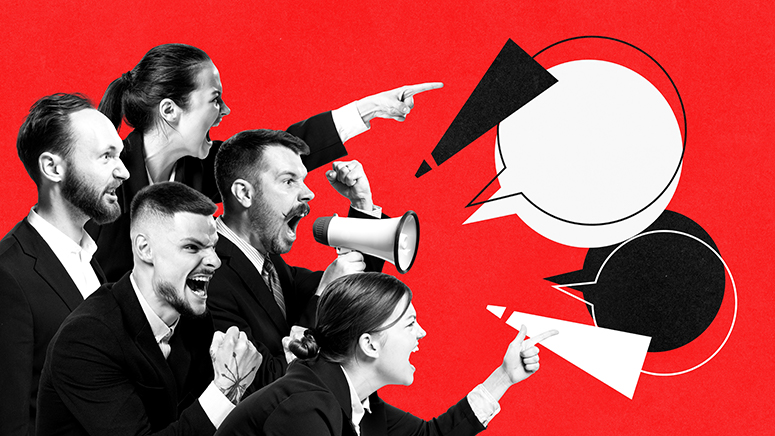
This is where the issue moves beyond language and into something deeper—the national psyche. A nation’s psyche is shaped not only by its history and institutions, but by its everyday interactions—how its people speak, disagree, and relate to one another.
When public language becomes persistently coarse, it affects how we see each other. Trust becomes harder to build. Empathy becomes harder to sustain. Dialogue becomes harder to maintain.
In medicine, we would describe this as a slow, systemic condition—one that does not cause immediate collapse, but gradually weakens the overall health of the system.
The danger is not dramatic. It is gradual.
Leadership beyond policy
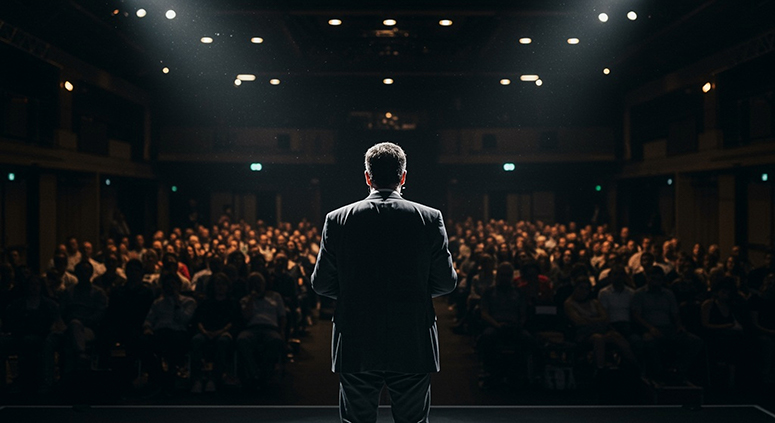
Leadership is often measured by decisions, policies, and results. But there is another dimension that is less visible, yet equally important: example.
Leaders do not only govern through what they do. They influence through how they speak.
This does not mean leaders must be perfect or emotionless. Passion has its place. Strong opinions are part of democratic life. But there is a difference between speaking with conviction and speaking without restraint.
One inspires. The other erodes.
What can we do?
This is not a problem that can be solved by a single rule or regulation. It requires awareness—and responsibility.
Leaders must recognize that their words carry weight beyond the moment. A line delivered for effect can echo far longer than intended.
Media and digital platforms must exercise discernment—not amplifying the loudest voices simply because they attract attention.
Parents and educators must help young people interpret what they hear—reminding them that visibility does not always equal virtue.
And as citizens, we must be more deliberate in what we reward.
If we applaud noise, we will get more noise. If we value clarity, respect, and substance, we will encourage more of the same.
A standard worth protecting
At its core, this is not about restricting speech. It is about protecting standards. The kind of language we normalize today becomes the culture we pass on tomorrow. And culture, once formed, is far harder to change than to guide.
In the end, the question is not whether leaders will continue to speak strongly. They will.
The question is: what kind of strength will they choose to show? Because somewhere, a child is listening—not to the policy, not to the politics —but to the tone. And from that tone, they are learning what it means to speak, to disagree, and to lead.
Words matter.
Especially when they come from those who shape the voice of a nation.

WATCH: Discovering Vietnam in three days
June 9, 2026