

Kunming on my mind
Short but sweet is how I would describe my time in Kunming. I actually went on a two-week trip to the Chinese province of Yunnan (my next articles will cover this) but only spent two nights in the capital of Yunnan—one night en route to Xishuangbanna and one more before flying back to Manila. Though I spent less than 48 hours here, Kunming is one of the cities I will remember for a long time.
Kunming is Yunnan’s transportation hub and is known for its year-round temperate climate, earning its nickname as the “City of Eternal Spring.” It is also known for its ethnic diversity, natural scenery, and flower markets.
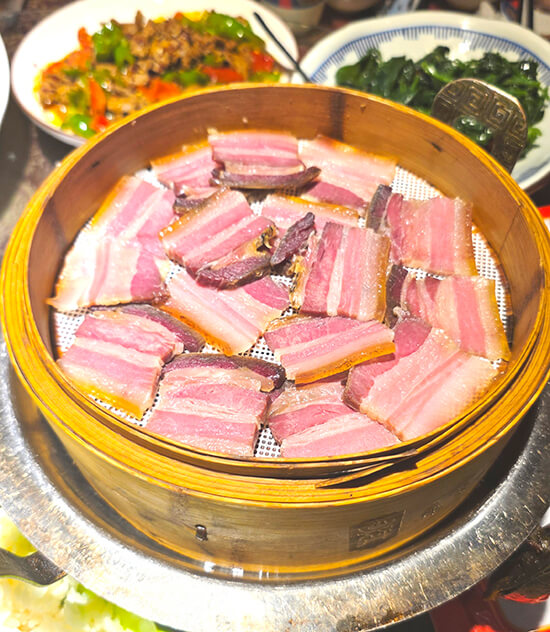
After a red-eye flight and a long layover, we arrived in Kunming late in the afternoon and were told we were going to the Old Town. We were all sleepy and exhausted but upon arrival at Jinma Biji Square, adrenaline due to excitement kicked in and we couldn’t wait to go around. The Jinma Biji was built during the Ming Dynasty and boasts a 400-year-old history. It is a famous cultural site and symbol of Kunming. Beyond the gates lie shops with local delicacies special to Kunming, street vendors, ethnic jewelry stores, unique cafes and famous tattoo shops. Two hours here did not seem long for supposedly weary travelers.
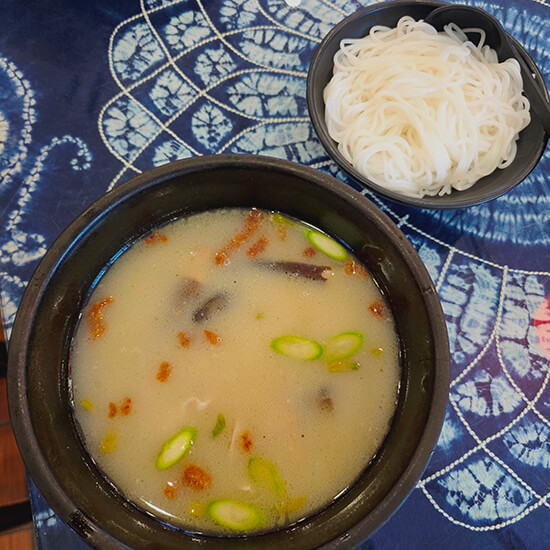
To eat the world-famous crossing-the-bridge noodles is a must in Kunming. The dish is served with a large bowl of boiling hot broth and soup where condiments such as chicken, pork, fish, Yunnan ham, ginger, bean sprouts, and other ingredients are presented separately and served on small plates or a cutting board. A layer of chicken fat is also used to insulate the soup and keep it warm longer. Once added into the broth, the ingredients cook quickly, then are spooned out into small bowls with rice noodles. According to Yunnan culinary tradition, crossing-the-bridge noodles originated during the Qing Dynasty in Mengzi, Yunnan. The most common story begins with a scholar who was studying for his exams on a small island. His wife, who would bring him food, found that by the time she had crossed the bridge to the island, the soup would be cold. She then decided to load a large earthen vessel with boiling broth with a layer of oil on top that would act as insulation and keep the soup warm. The noodles and other ingredients were kept in a separate container, and when she arrived, she mixed the two containers together for a warm soup. This narrative is frequently referenced in local media and tourism promotions. Crossing-the-bridge noodles was officially listed as part of Kunming’s intangible cultural heritage, recognizing its historical and social importance to the region.

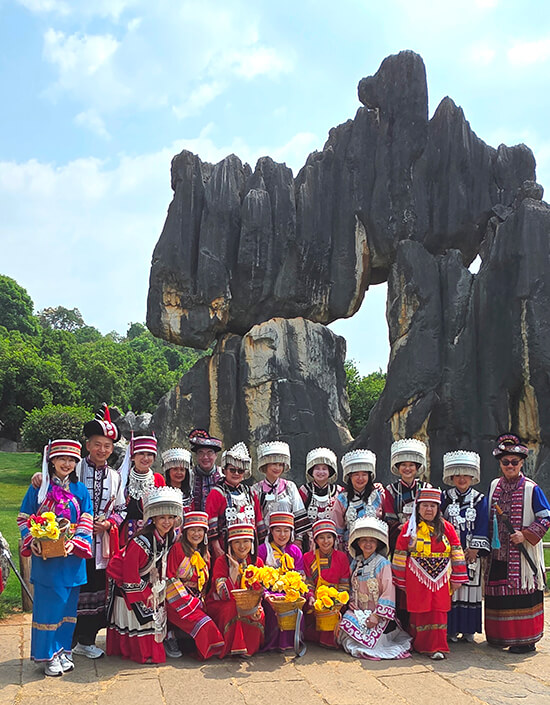
Another site not to be missed is the 500-square-km Stone Forest, a notable set of limestone formations located in Shilin Yi Autonomous County. The forest is some 90 kilometers east of Kunming. The tall rocks look like stalagmites and, with many looking like petrified trees, the site creates the illusion of a forest made of stone. Two parts of the site, the Naigu Stone Forest and Suogeyi Village, have been declared a UNESCO World Heritage Site since 2007 and part of the South China Karst, also a UNESCO World Heritage Site since 2007, which spans the provinces of Chongqing, Guangxi, Huizhou, and Yunnan. UNESCO describes the South China Karst as “unrivalled in terms of the diversity of its karst features and landscapes.”
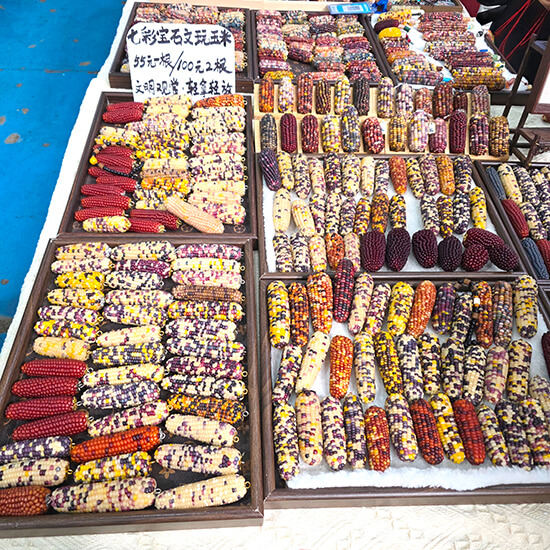
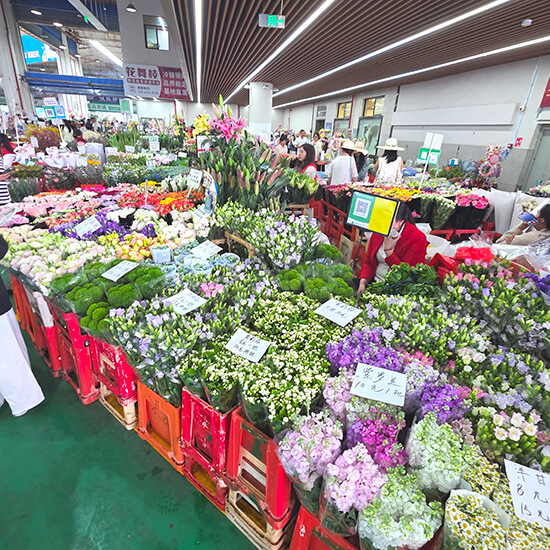
During my short stay in Kunming, I was happy that we checked out Dounan Flower Market, Asia’s largest fresh-cut flower trading market, acting as the “Bloom Capital of China” and supplying 70 percent of China’s flowers. The favorable climatic and geographical conditions enable Dounan Village of Kunming to become the biggest flower wholesale market in China. The epicenter of China’s flower markets, Dounan Flower Market is home to over 200 species of over three million flowers with the daily turnover reaching as high as 2.5 million RMB.
CONTINUE READING BELOW

They not only sell flowers! Here is where I found bolster pillows stuffed with flower petals and a small brocade pillow stuffed with lavender, which I got for my mother. They also have dried flowers, stuffed young corn to be made into keychains or bag charms, flower jewelry, potpourri sachets, and more. The neatly arranged and clean market was truly a sight to see… and smell.
This trip to Yunnan province covering the cities of Kunming, Xishuangbanna, Dali and Lijiang was arranged by former senator Nikki Coseteng. Expect more stories in the next few weeks.

WATCH: LGBTQIA+ people with unlikely professions
June 28, 2026