

Pink is for boys and blue is for girls
Only decades ago, the boundaries were clear and understood without the need for a manual. Pink was for girls, blue was for boys, and the domestic sphere operated on a rhythm that required no debate or explanation. Boys were raised on a steady diet of grit, expected to take a scraped knee without a whimper and face the world with an unblinking resolve. Girls were the keepers of the softer virtues, taught to live life with grace, affection, and a sharp eye for the feelings of those around them. My father belonged to that older world, a man who never felt the need to explain his presence or justify his silence.
Now, the landscape has been turned upside down, and you can see it unfolding in every modern living room or school assembly in the metropolis. There is an inversion of those old codes happening right before our eyes. The boys are being softened, guided away from any instinct toward stoicism. Parents and teachers constantly urge them to unpack their feelings, to be deeply expressive, and to prioritize emotional harmony above everything else. They are being trained to step back, to defer, and to find their value in how well they can articulate their anxieties.
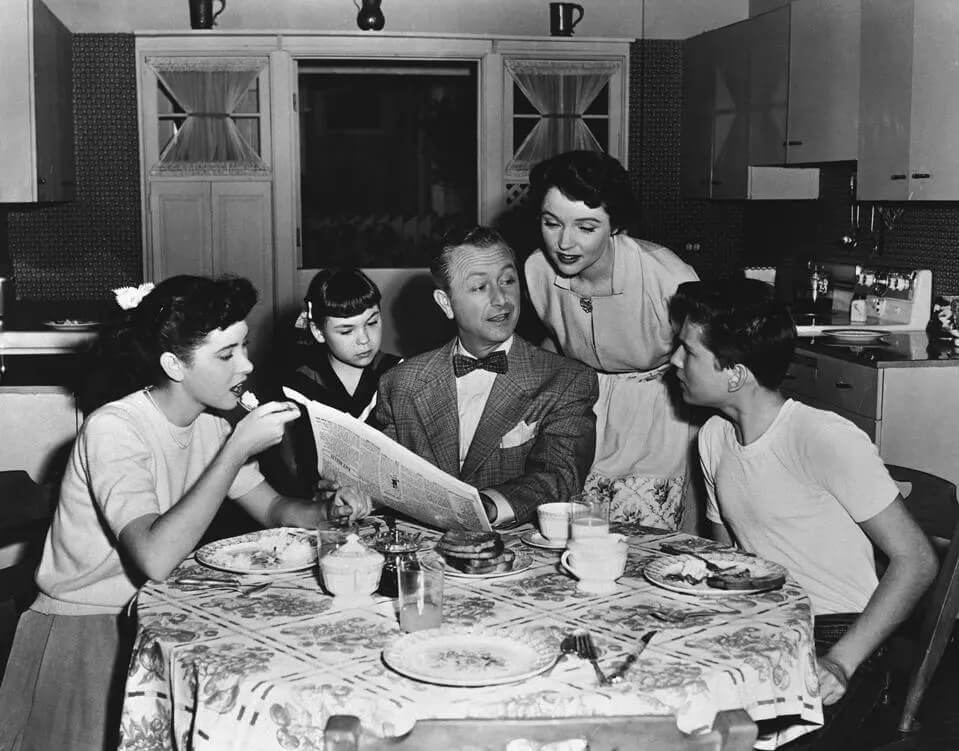
At the same time, the girls are being raised like the corporate infantry of a new world order. We give our daughters boxing gloves, science kits, and a mandate for independence. We tell them to be tough, to be aggressive, and to take on the world with a heavy swagger that used to belong entirely to the reckless boys of the schoolyard. It is an era where the girls are handed the microphone and told the world is theirs to command, while the boys are being taught to wait for the green light to occupy space or voice their opinion.
You look around this landscape, and you have to wonder where the cowboys have gone. The self-contained men who stood their ground without a deluge of vocabulary are vanishing, replaced by a generation that views any sign of traditional masculinity as an entry-level psychological defect. In our desperate rush to correct the faults of the old patriarchal model, we are erasing the virtues of masculine restraint. The modern world treats the natural inclination of a boy to be stoic as a design flaw, a mistake that must be ironed out of him before he can become a proper member of polite society.

There is nothing wrong with teaching a child to be kind, but we are losing the essential value of the resilience my father practiced without a single word of instruction. He did not know the language of modern therapy, and he would have been baffled by the idea of having an emotional inventory with his son. His parenting was a peripheral force, yet it was absolute. His approval came in the form of a P100 bill handed over after looking at a poem, a single gesture that carried more meaning than a thousand hours of modern parental processing. He pointed me toward books, toward Hemingway, and toward stories of rugged endurance, leaving me to figure out the boundaries of my own skin.
CONTINUE READING BELOW

When my father talked about Marlon Brando, bruised and bloodied, on that shipping dock in On the Waterfront, he wasn’t giving me a lecture on gender roles. He was showing me a picture of what it meant to take a hit and keep standing. He was giving me an image of manhood that didn’t rely on constant validation from the crowd.
Today, we are teaching boys that survival means talking through the pain, while we teach girls that they must never show a single crack in their armor. We have swapped one set of rigid expectations for another, leaving both sides confused about who they are supposed to be when the lights go out.
The worry with this current social shift is that we might be creating a generation of young men who are stripped of their traditional defenses without being given anything sturdy to replace them. By steering them away from fortitude, we risk leaving them vulnerable to the hardships of life. A boy who is taught only to express his vulnerability may find himself at a loss when the world suddenly demands that he be an anchor for someone else. Conversely, by expecting young women to carry the full burden of this new toughness, we might be locking them into an isolated existence where asking for help may feel like a form of failure.

You see this tension playing out in modern relationships. The women are furious because they cannot find men who know how to take charge, and the men are paralyzed because they have been told since childhood that taking charge is an act of aggression. We have created an environment of mutual frustration, all because we refuse to allow the old templates to exist alongside the new, because we think progress means erasure, rather than expansion.
The Robert Redford character in The Natural was right about a father making all the difference, because a father provides a boy with a template of how to navigate the world without losing his footing. He represents the wall you test your strength against, the boundaries that give shape to a chaotic life. My father did that by being there, a massive, unmoving presence who read his newspaper columns and left his books scattered across the house like breadcrumbs for me to follow. He didn’t need to perform his fatherhood. He just lived it.
When we blur these lines, trading the distinct clarity of pink and blue for a muddy, uniform gray, we lose the unique strengths that keep a society balanced. True progress should not mean turning our sons into emotional wrecks who cannot face a crisis without a support group, nor should it mean turning our daughters into the very ghosts of the distant, stoic fathers we are still trying to understand. We need the cowboys back, not to dominate the landscape, but to remind us that there is an enduring strength in simply standing your ground and keeping your mouth shut until you have something to say.

WATCH: LGBTQIA+ people with unlikely professions
June 28, 2026
WATCH: Discovering Vietnam in three days
June 9, 2026