

10 key takeaways from President Marcos' 2026 SONA
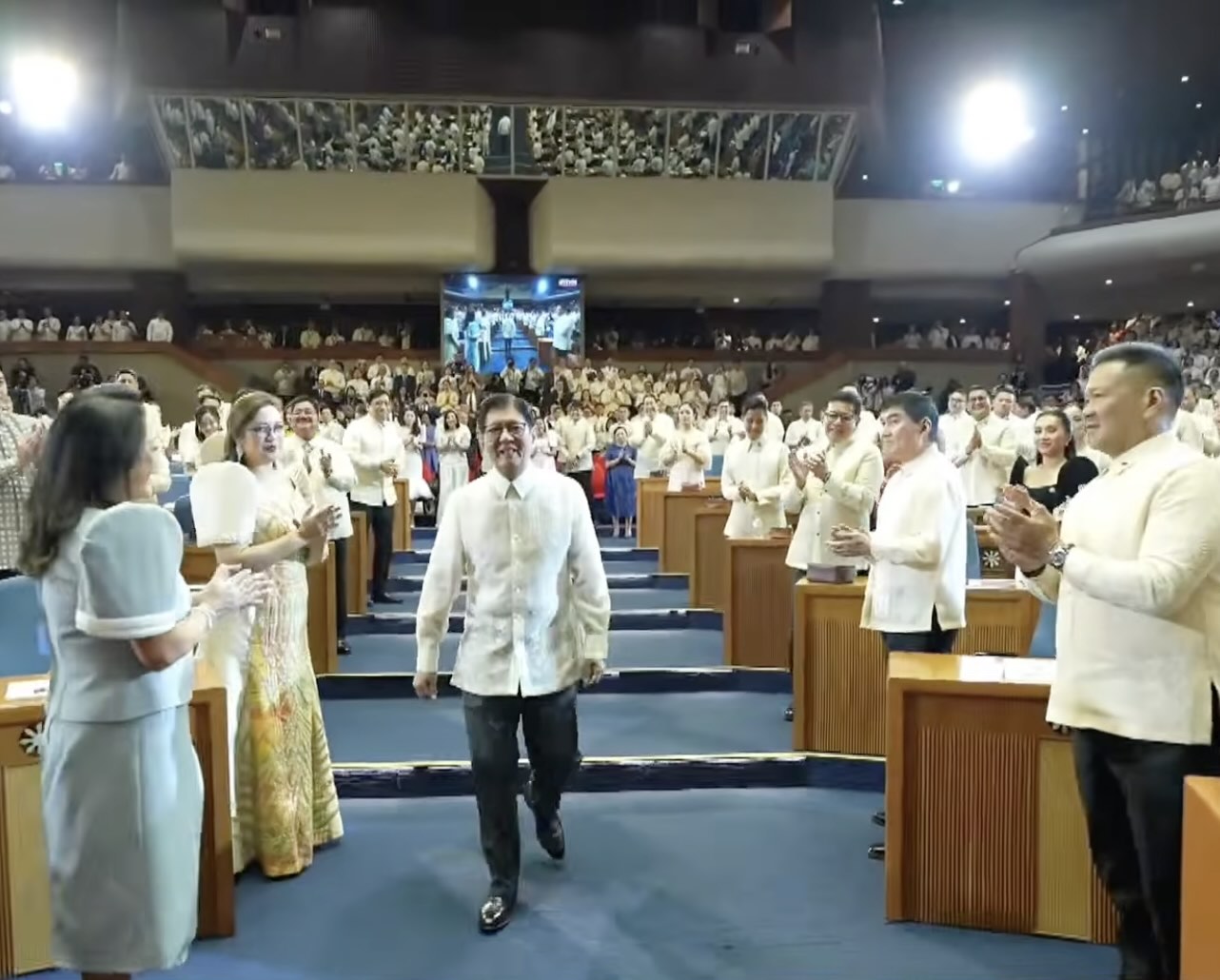
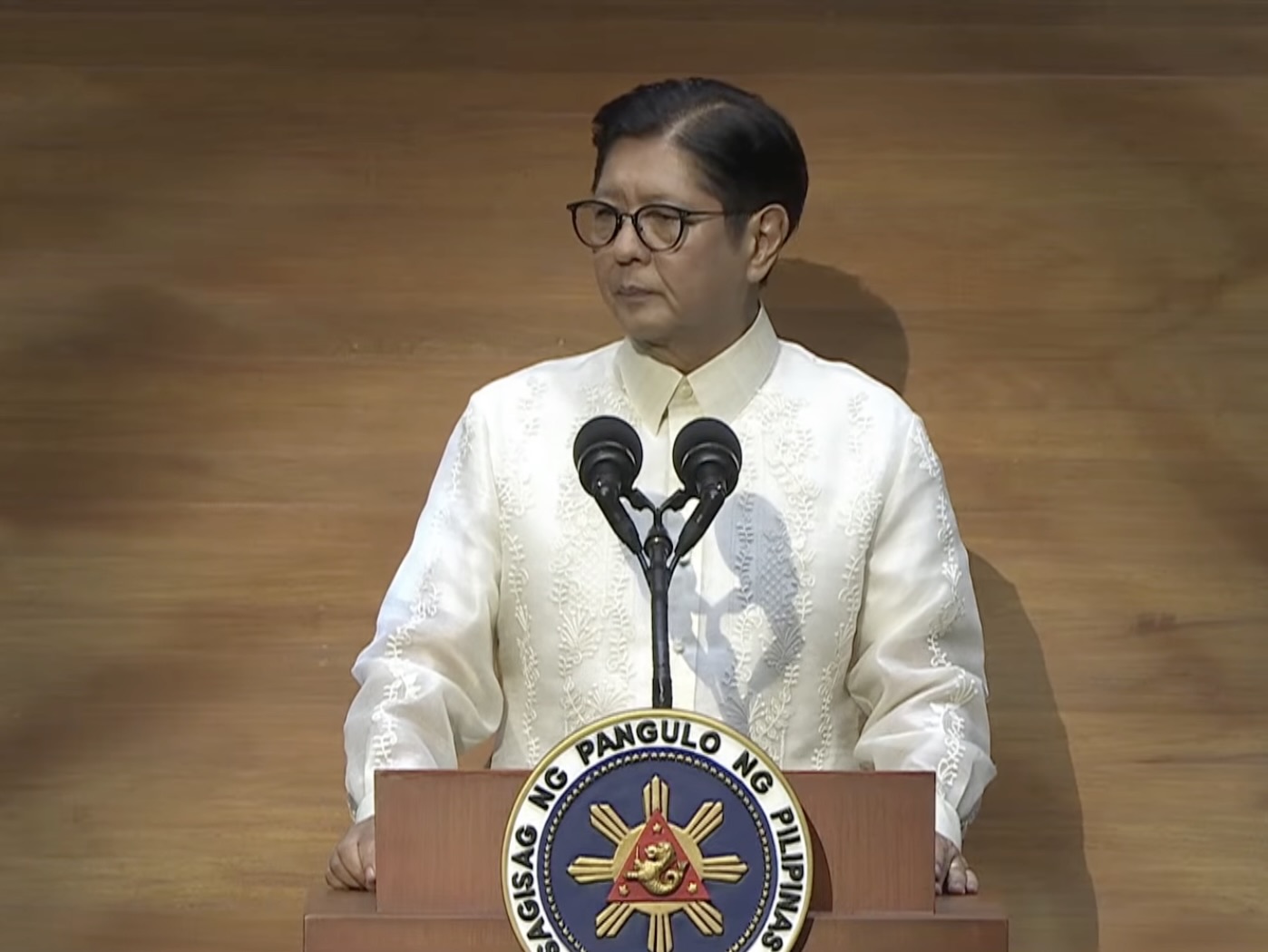
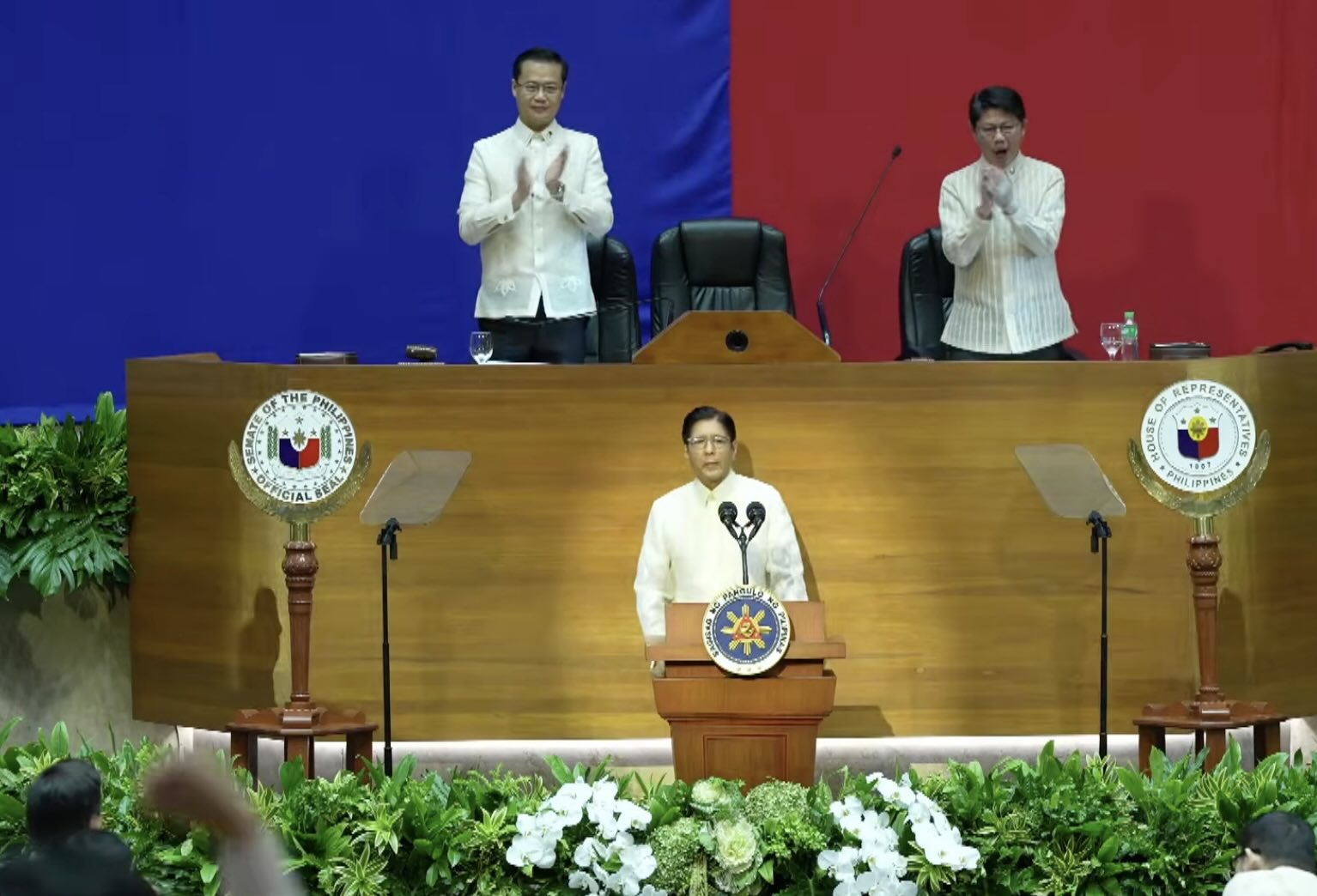
On Monday, July 27, President Ferdinand "Bongbong" Marcos Jr. delivered his fifth State of the Nation Address.
His hour-and-a-half speech touched on developments on the flood control scandal, the country's renewable energy measures, expanded tax exemptions for low-wage workers and micro entrepreneurs, and the West Philippine Sea dispute, among others.
Occasionally switching from Filipino to English, Marcos began his address shortly after 4 p.m. and ended at 5:30 p.m., which made it 20 minutes longer than his 2025 SONA.
Several of his points were met with applause and standing ovations. At the end of his address, he declared, "Sa manlulupig, 'di tayo pasisiil," and was met with a standing ovation, extended applause, and chants of, "BBM, BBM."
Here are the key takeaways from the President's second-to-the-last SONA.
Marcos vows to recover funds lost to “ghost” flood control projects
CONTINUE READING BELOW

Picking up from his exposé in his 2025 SONA regarding the widespread flood control scam, Marcos began this year's address by giving an update on what has been done to hold accountable those responsible. He said contractors, government officials, and lawmakers have been charged and jailed for their alleged involvement in the scam.
In addition, he said the investigation has reached the point where the Ombudsman is ready to file multiple cases against his cousin, former House Speaker Martin Romualdez. "Masakit man sa akin ito, ngunit kailangan nating gawin ang tama. Hindi ako pangulo ng aking pamilya. Hindi ako pangulo ng aking kaibigan."
The President assured that the public funds stolen from the flood control national budget would be returned to the people. Aside from blocking the release of funds for more "ghost" flood control projects, the government was able to freeze almost P25 billion in cash and assets of the accused individuals, over P800 million of which has been returned to the treasury.
Marcos demands the removal of systems loss and VAT charges in electricity bills
Marcos gained loud and extended applause when he demanded the removal of systems loss charges in electricity bills.
"Panahon na para tanggalin na natin ang systems loss na pinapasa sa consumer," Marcos said. "Pinapasa ito sa consumer at kinakarga sa bill, na pinapatungan pa ng value-added tax. Hindi naman kasalanan ng consumer kung bakit nagkaroon ng systems loss. Kaya hindi naman tama na kailangan sila pa ang pagbabayarin dito."
"Therefore, we, the people, request, no, we demand the immediate amendment of the EPIRA," he added, referring to the Electric Power Industry Reform Act of 2001. According to the Supreme Court e-Library, EPIRA was put in place to protect the public interest in relation to rates and services of electric utilities.
Income tax exemption sought for workers earning P350,000 or less annually
To loud applause, the President asked Congress to expand the coverage of income tax exemption to include workers whose annual salary does not go over P350,000.
He also called for the removal of minimum corporate income tax on micro entrepreneurs.
Finally, Marcos sought amnesty for unpaid taxes, including income tax, estate and donor's tax, and value-added tax, including any penalty fees.
Industrial hub Pax Silica to 'bring quality jobs'
Touching on how the country is positioning itself in the global value chain, Marcos spoke about the US-led Pax Silica initiative. The Philippine government has proposed to put up an industrial hub to accommodate it in New Clark City.
Marcos described the project as "an eco-system that will have AI at its core," adding it "would bring quality jobs to our people, accelerate our industrial competitiveness, and revitalize our economy."
According to the President, "the hub will be an advanced manufacturing and logistics center in the global AI and technology value chain."
Marcos wants to revisit nuclear energy production
Another well-received part of his address was Marcos' proposal to bring down the cost of energy in the Philippines by boosting nuclear energy. According to him, the country is already using it in the fields of medicine, agriculture, water filtration, and the upcycling of plastic.
He also shared how his administration is working with the Bangsamoro Autonomous Region in Muslim Mindanao to co-manage two of the government's newly awarded petroleum service contracts. For the first time in the country's political history, said Marcos, BARMM is seeking energy security and complete electrification in the region.
Marcos expresses hope that 50% of vehicles will be electric by 2040
Aligned with his administration's vision for energy security and renewable energy is its support for electric vehicle owners.
No tariffs will be implemented on EVs until 2028. By 2040, Marcos expressed the hope that at least half of the vehicles on public roads will be electric. Government agencies and local government units will also continue to focus on acquiring more electric vehicles, with Marcos citing as examples some new Love Buses and the new articulated bus to be used in Davao City, as well as the M/B Dalaray ferry boat. In the future, a similar electric boat will be used by the Pasig River ferry service from Pinagbuhatan, Pasig until Escolta, Manila.
Marcos asked for the support of the entire transportation industry to advance the modernization of public transport vehicles in the country.
Transportation infrastructure development and repair well underway
This 2026, SLEX TR4, connecting Sto. Tomas, Batangas to Tiaong, Quezon will be completed, which will benefit almost 17,000 motorists every day. Damaged major bridges have also been repaired in Eastern Visayas, Isabela, Cagayan, Samar, and Iligan.
By 2027, the North-South commuter railway will reach until Malolos, and Clark by 2028. Next on the list of priorities is the completion of all 13 MRT-7 stations.
Ligtas Pinoy centers will be built starting this year, all of which are designed to withstand the power of super typhoons and 8.4-magnitude earthquakes. Marcos also called for the amendment of the National Building Code to align with modern guidelines.
PH to launch its first rocket into space next year
According to Marcos, Cagayan is "both geographically and economically primed" to build the country's first space port."
"A sounding rocket launch test is slated for next year. Yes, we are going to launch a rocket into space," Marcos said.
The project is being done in partnership with a South Korean aerospace company.
Marcos assures expansion of universal healthcare coverage
The President celebrated the success of the Department of Health's YAKAP program, which has given treatment to 4.5 million patients this year, and GAMOT program, which has removed value-added tax from over 2,000 medicines.
Marcos also reported PhilHealth coverage of more blood tests and medicines next year for earlier detection of gallstones, thyroid, hepatitis B, and liver disease.
PhilHealth has also increased its coverage to include more treatments and medicines for patients suffering from cancer, heart disease, HIV, AIDS, and tuberculosis. The package for children with developmental disabilities will be doubled.
Marcos stands firm on West Philippine Sea territorial dispute
Marcos saved the strongest point for last: his stand on the West Philippine Sea. The President cited how the ASEAN members early this year advocated for solidarity and cooperation among ASEAN member states.
He mentioned the various benefits the Philippines gains from its ASEAN membership: rice supply stability, harmonized digital rules, smoother cross-border digital transactions, financial inclusion, oil security, and energy security. "This is bayanihan for the international community and for this part of the world," he said.
Marcos added that "a common threat" is threatening Filipinos' dignity and self-respect. "Let me remind our friends and our detractors: Filipinos are a noble, kind, gracious, and great race. We are not greedy. We are not racist. We are not liars. We are respectful, and we are dignified. We are Filipinos. And we do not yield."

WATCH: Discovering Vietnam in three days
June 9, 2026
WATCH: Pixar Summer Fest adventure at Hong Kong Disneyland
August 10, 2026
WATCH: Is Gen Z too soft? (Generations Ep. 23)
September 30, 2026