

What to know about the new unified ID system for PWDs
The National Council for Disability Affairs has launched a unified identification system for persons with disabilities, aiming to make the authentication process easier and to curb fraud.
Jointly run by the Council and the Department of Social Welfare and Development, the Unified Persons with Disabilities Identification System is a centralized system that will serve as a verification platform. This can be accessed by merchants, establishments, and offices to easily verify the authenticity of PWD Identification Cards.
How does it work?
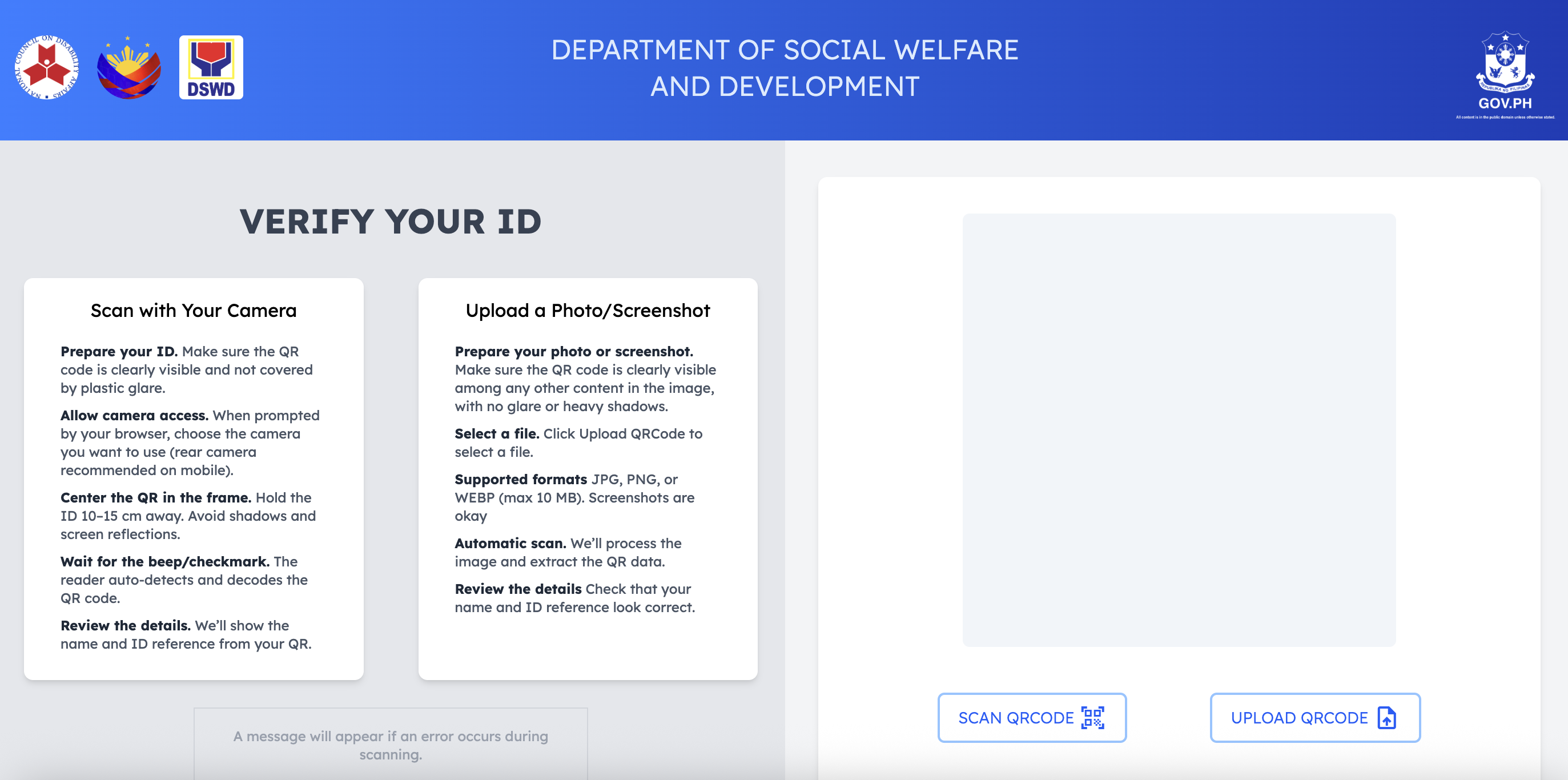
Under the new system, the document can be verified with the unified digital ID bears a unique QR code at the back and alphanumeric number, which can be scanned on the national database.
Following a successful scan, it will automatically display the ID holder's name and reference number for verification. It will also store digital records of the following essential demographic details:
- Full name
- Date of birth and sex
- Type and severity of disability
- Cause of disability
- Functional limitations
- Date of issuance and validity
- Date of renewal (for temporary or revalidated disabilities)
- Contact information of the issuing LGU
- PhilSys number
- Membership in any Indigenous Group (optional)
- Gender Identity (optional)
According to NCDA, the platform is designed to mitigate delays, prevent fraud and counterfeiting, and provide instant authentication. This also ensures that those with apparent and non-apparent disabilities can both access their benefits and privileges without discrimination.
CONTINUE READING BELOW

If you don't have the new ID yet, you can register at the city or municipal social welfare and development office where you reside. Only those with non-apparent disabilities are required to present a disability certificate during registration.
According to NCDA, the centralized system addresses the widespread use of fake PWD IDs while improving data security. Under strict administrative guidelines, only authorized personnel performing official duties may access personal and sensitive information, minimizing the risk of data leaks.
To date, the NCDA has trained approximately 80% of local government unit nationwide to encode, update, and manage localized registry records within the central portal. LGUs are actively migrating and synchronizing their local databases with the national system. As of writing, 128,000 Filipinos have received the unified PWD ID, and the agency plans to fully phase out older ID versions by 2030.
Those with permanent disabilities are entitled to a PWD ID with lifetime validity. Those with non-apparent disabilities must have their status reverified every five years. The revalidation process must be "accessible, non-burdensome, and non-discriminatory, with reasonable accommodations provided."

WATCH: How to experience Bangkok and Kanchanaburi in one trip
October 21, 2026