

Duterte impeachment trial
[OPINION] Duterte impeachment trial: The strange power of dropping charges
Three impeachment articles against Vice President Sara Duterte are gone. But an accusation can die in law and live on in politics. Is that a mistrial—or the peculiar nature of impeachment?
In Lewis Carroll’s Alice’s Adventures in Wonderland, Alice has no difficulty imagining a cat without a grin; what unsettles her is a grin without a cat. Something has disappeared while its most conspicuous feature remains, an entertaining impossibility that the Philippine Senate has lately given a constitutional dimension.
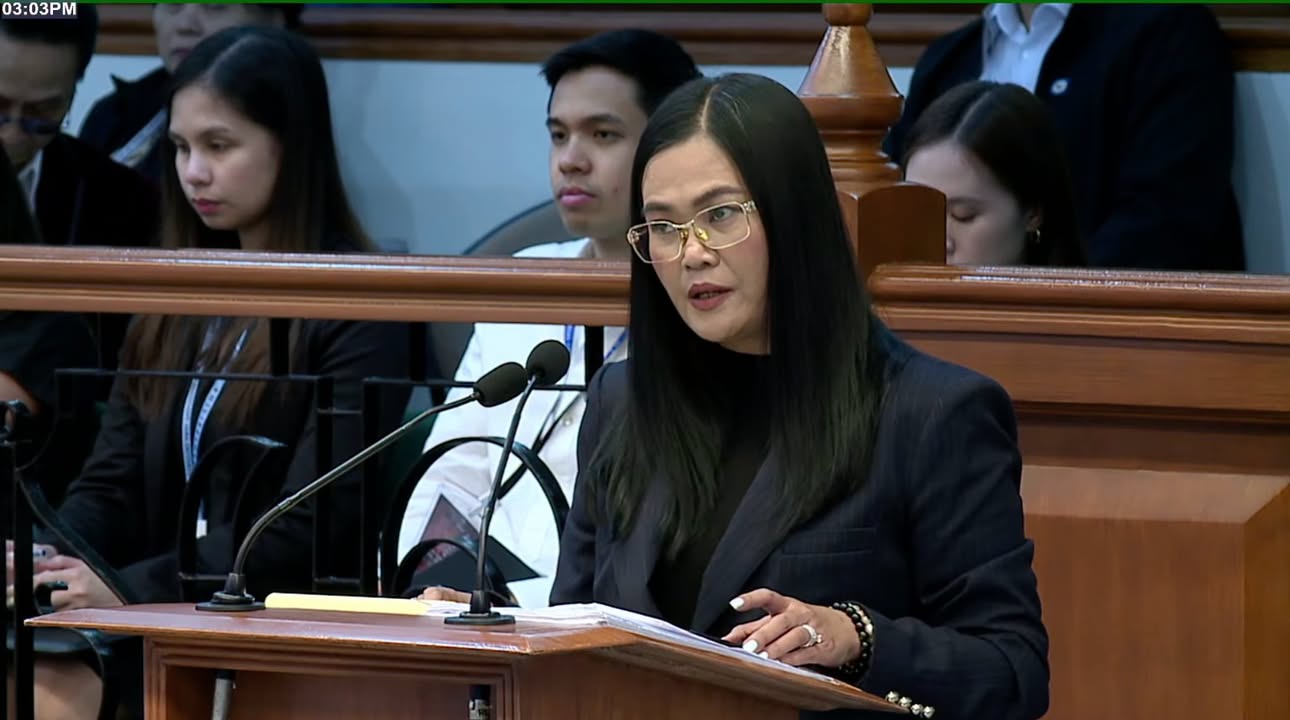
On Oct. 13, House prosecutors withdrew three impeachment articles against Duterte, although the allegations proved less obliging. Two articles had already occasioned testimony, giving the public something unlikely to disappear with an entry in the docket. Lead defense counsel Sheila Sison objected, seeking an opportunity to answer accusations that had acquired the authority of a trial without undergoing its concluding test. A defense lawyer complaining about fewer charges might ordinarily invite amusement; here, the complaint deserves a hearing.
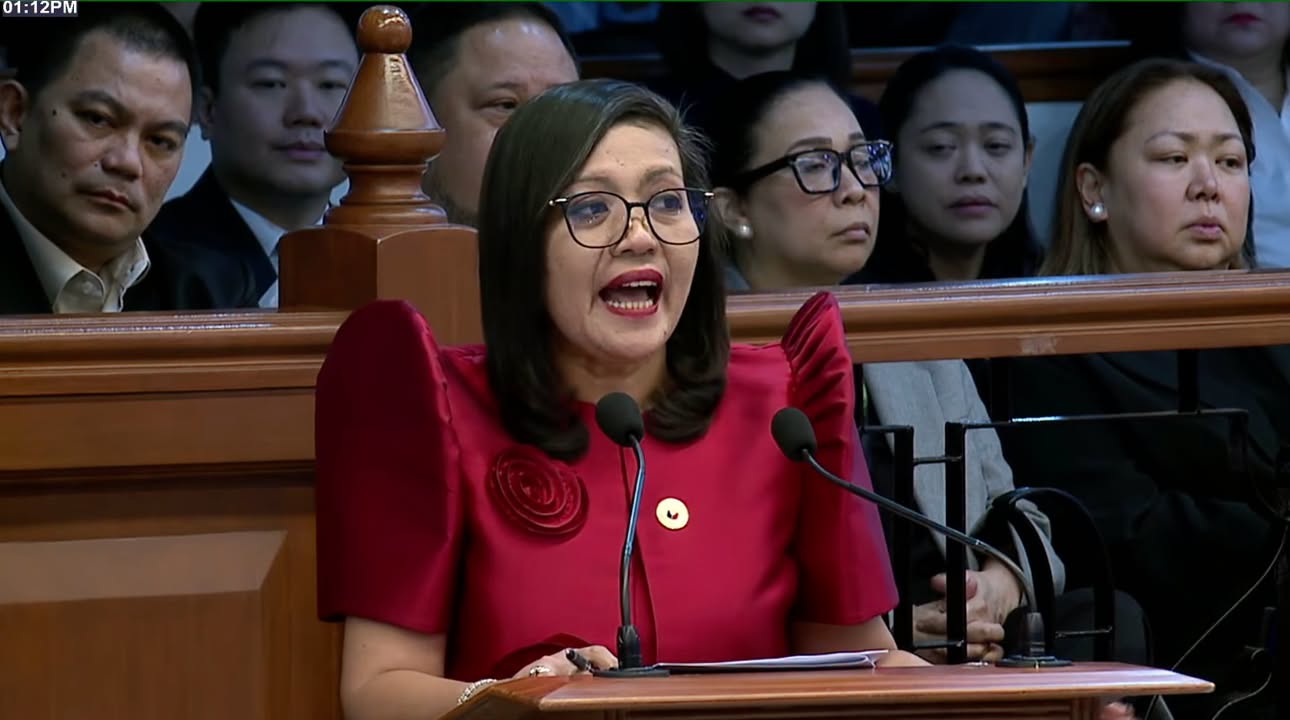
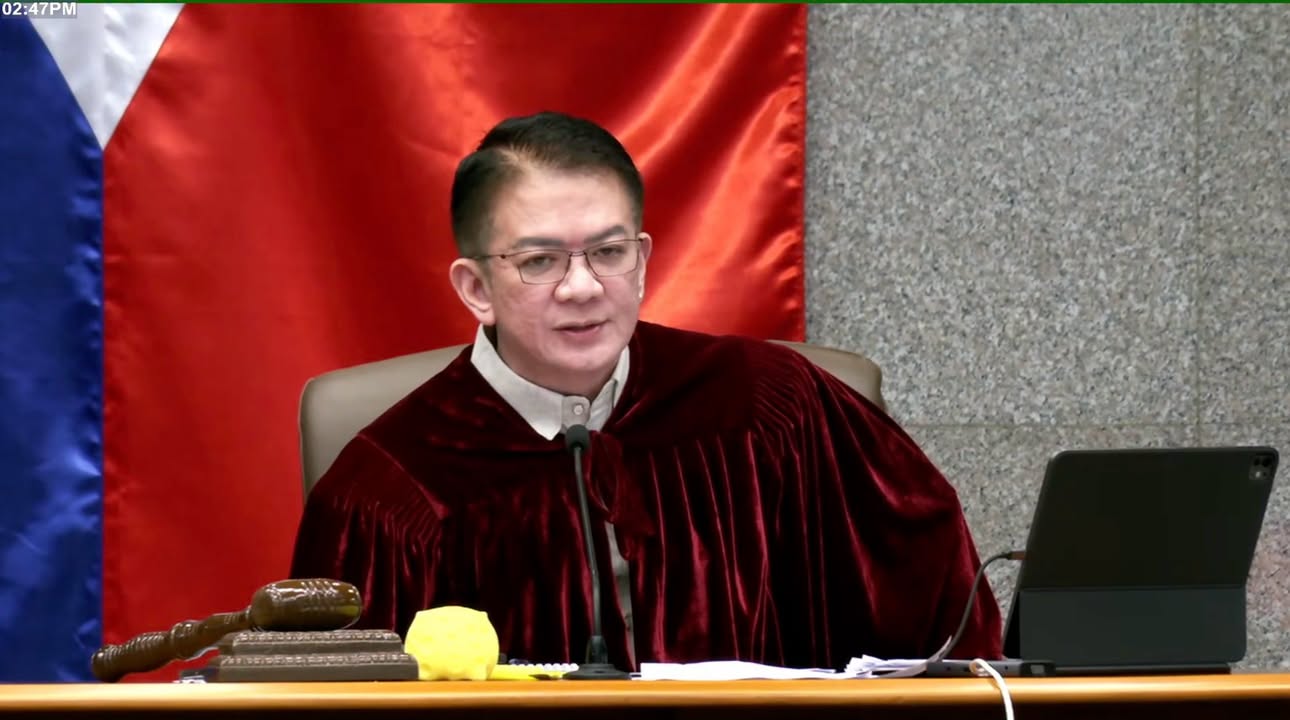
Presiding officer Chiz Escudero lifted the sub judice rule’s restriction on public discussion of the withdrawn articles, allowing Duterte to explain herself elsewhere. That restored access to microphones, which was useful, although microphones remain notoriously poor at issuing subpoenas. Still, the inadequacy of that substitute does not necessarily entitle the defense to insist that every allegation be tried. Lead prosecutor Gerville Luistro maintains that Article II, involving alleged unexplained wealth and disclosure violations, suffices for removal, and concentrating on it may be responsible advocacy. Impeachment need not become the definitive biography of an officeholder’s alleged misconduct.

What makes this uncomfortable is the relationship between the Senate’s legal function and its political influence. In Duterte v. House of Representatives (2025) and Generillo v. Senate (2026), the Supreme Court describes impeachment as sui generis: primarily legal and constitutional, with political characteristics. The Senate adjudicates charges while influencing belief, and withdrawal exposes the difference between those activities. Having received an allegation in the impressive company of senators, sworn witnesses, and official records, the public is suddenly left to supply its own ending.
That is a complication worth setting beside Jeremy Bentham’s description of publicity as “the soul of justice” in A Treatise on Judicial Evidence (1825). The English philosopher and legal reformer understood public scrutiny as a discipline upon testimony and judgment. Giving an accusation an excellent audience achieves something less, particularly when neither side must risk a decision on its merits. An undelivered rebuttal can remain devastating in the defense’s account, just as an abandoned allegation can remain compelling in the prosecution’s. These possibilities establish no bad faith, but they explain why neither side’s account should escape scrutiny.
Whether they establish a mistrial is another question. United States v. Perez (1824) addressed a deadlocked jury and “manifest necessity”; Arizona v. Washington (1978), prejudicial opening remarks; Oregon v. Kennedy (1982), prosecutorial provocation and limits on retrial. These doctrines concern interrupted criminal trials. Philippine precedent is similarly exacting: Galman v. Sandiganbayan (1986) involved a trial rigged to produce acquittals, while People v. Tria-Tirona (2005) and Raya v. People (2021) distinguish fundamental denial of due process from error within genuine proceedings. A controversial ruling does not automatically make the proceeding a counterfeit.
The more useful inquiry is what injury withdrawal has caused and whether the Senate can repair it. The Philippine Rules of Court contemplate reopening before a conviction becomes final under Rule 119, Section 24, and new trials under Rule 121, Sections 1, 2, and 6. Rule VI of the Senate’s impeachment rules permits suppletory application whenever applicable, although these provisions do not automatically authorize revival of withdrawn articles. Nor does the Corona precedent settle matters: Prosecutors abandoned five articles in 2012 without developing their evidentiary case, whereas testimony on two withdrawn articles has been heard here.
Escudero's disposition raises a separate question. Articles I and IV were withdrawn with prejudice, barring revival in the present Congress; Article III, without prejudice. Although Crespo v. Mogul (1987) supports tribunal control over disposition by analogy, Article XI of the 1987 Constitution assigns initiation to the House and adjudication to the Senate. Beyond its one-year bar, any further restriction on future initiation requires justification.
For the continuing trial, Rule 128, Sections 3 and 4, and Rule 132, Section 34 of the Rules of Court direct attention to relevance, admissibility, and formal offer.
Evidence legitimately bearing on Article II remains subject to challenge; familiar accusations cannot compensate for missing proof.
The Senate cannot govern what people remember, but it can address what withdrawal entails, what evidence remains usable, and what it has never decided. Having presided over the appearance of the cat, it owes the public something better than leaving the grin to explain itself.
Disclaimer: The views expressed in this article are those of the author and do not reflect the opinions of PhilSTAR L!fe, its parent company and affiliates, or its staff.

WATCH: Can we talk about death and grief? (Generations Ep. 25)
October 14, 2026