

EXPLAINER: What is influenza-like illness, and what should you do if you catch it?
Along with intermittent heavy rains comes the increased risk of getting sick.
One ailment to watch out for this season is influenza-like illness, according to the Department of Health.
More than knowing what it does to our body, it's also important to learn how ILI spreads, what to do if we catch it, and how to avoid the illness altogether.
What is ILI?
"Influenza-like illness refers to a group of symptoms, such as fever, cough, colds, and sore throat, that resemble those caused by influenza or the flu," general practitioner Dr. Anna Santos told PhilSTAR L!fe. "These symptoms can also be caused by other respiratory viruses."
According to general practitioner Dr. Jam Ponce, ILI is caused by multiple circulating respiratory viruses that spread through respiratory droplets and aerosols. Per Santos, these include influenza viruses, SARS-CoV-2, which causes COVID-19, respiratory syncytial virus, and rhinoviruses, which are the common causes of colds.
"When an infected person speaks, coughs, sneezes, or even breathes heavily, tiny droplets containing the virus enter the air," Ponce explained to L!fe. Santos added that a person can also get infected by ILI if they touch contaminated surfaces and then touch their eyes, nose, or mouth.

The most likely places to catch ILI are in crowded, enclosed, and poorly ventilated indoor spaces since, per Ponce, respiratory particles tend to linger in these areas.
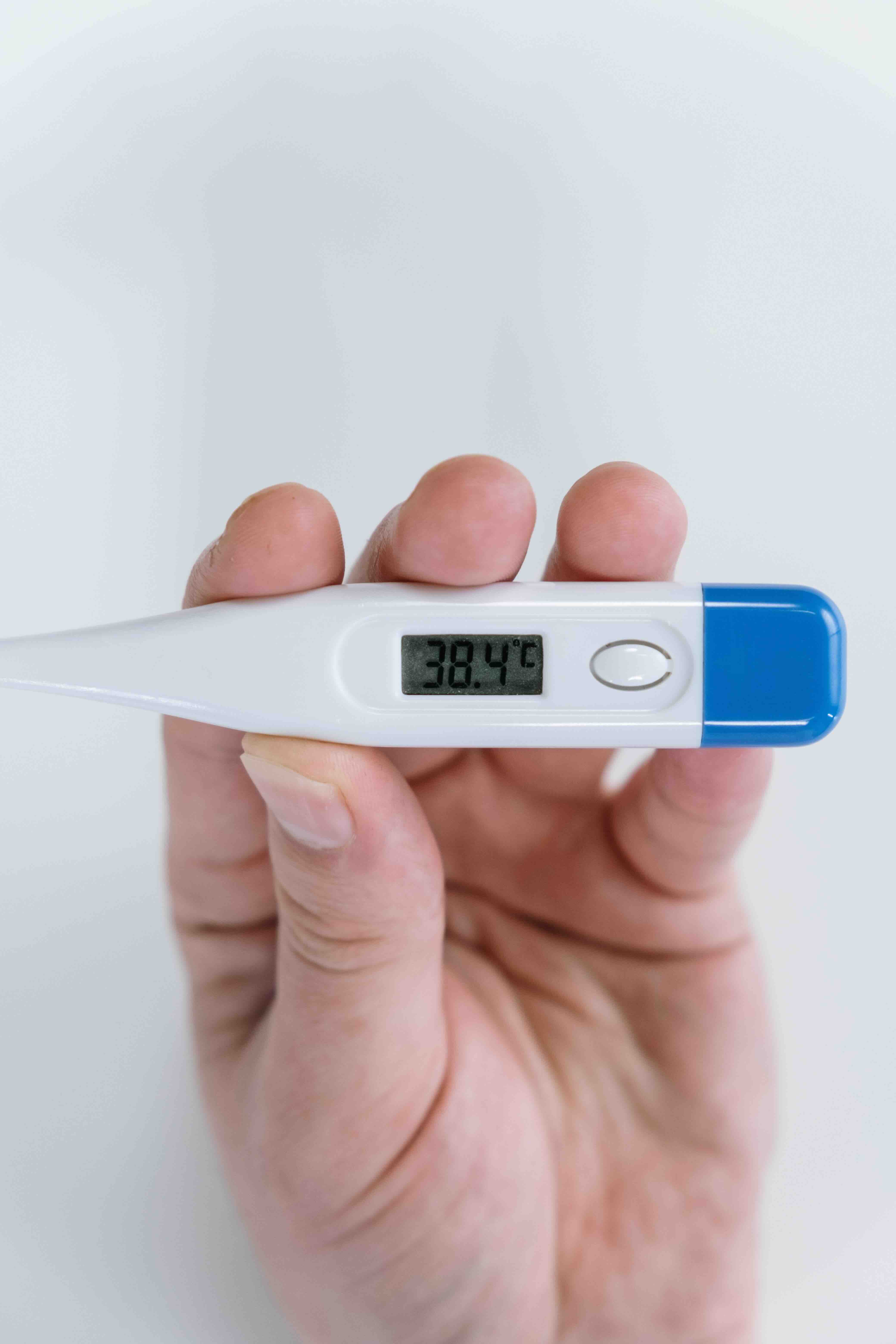
What are ILI symptoms, and what should you do if you have them?
Both general practitioners said you might have ILI if you come down with the following symptoms:
- Fever or a feverish feeling
- Dry or hacking cough
- Sore throat and nasal congestion
- Runny or stuffy nose
- Severe headache
- Deep muscle or body aches
- Chills
- Intense fatigue and weakness
According to Ponce, these symptoms usually strike suddenly.
Santos and Ponce agree that the first things to do if you develop these are to rest, get enough sleep, and drink plenty of fluids regularly.
For fever and body aches, Ponce discouraged taking antibiotics, "as they do not work against viral infections," she said. Instead, take over-the-counter pain relievers if necessary.
"Use medicines for fever or pain according to the label or a healthcare professional's advice," advised Santos.
Individuals who are pregnant, 65 years and older, young children, or have chronic conditions need to seek early medical care. Timely treatment is key since, according to Ponce, "Antivirals work best when started within 48 hours of symptom onset."
Watch for warning signs, too. Per Santos, these include difficulty breathing, persistent chest pain, confusion, severe weakness, bluish lips, or signs of severe dehydration.
The Department of Health recommends going to the hospital immediately if the fever goes over 40°C, you have difficulty breathing, or the other symptoms become severe.

How to avoid catching and spreading ILI
Prevention is a "multi-layered approach," said Ponce.
First things first: Get vaccinated.
"Vaccination remains the single most effective shield against severe illness, hospitalization, and complications from influenza viruses," said Ponce.
"Receive the recommended annual influenza vaccine and other recommended respiratory vaccines," added Santos.
Proper hygiene is also vital. Wash your hands regularly with soap and water. If you are out and have no access to soap and water, an alcohol-based hand sanitizer is the next best option.
If you have to cough or sneeze, cover your mouth with your elbow, not your hands.
In indoor settings, make sure there is good ventilation. If you are in a crowd indoors during peak flu season, which, according to DOH, is from July to October, Ponce recommended wearing a well-fitting mask to add a strong extra layer of protection.
"If you are sick, stay home, when possible, to prevent spreading the infection to others," said Santos.
"Isolating yourself at the first sign of symptoms prevents spreading the virus to high-risk individuals," added Ponce.
Disclaimer: This article is not meant to replace professional medical advice. Always consult your doctor for any questions you may have.

WATCH: Can you still trust someone who betrayed you? (Generations Ep. 22)
September 23, 2026
WATCH: LGBTQIA+ people with unlikely professions
June 28, 2026