

On science for social good
I grew up in Hong Kong witnessing multiple worlds in my immediate surroundings—a Filipino father and his extended family, and a Chinese mother’s side as well. Perhaps it’s no surprise that I then became Hong Kong’s first biological anthropologist, as I’ve always been fascinated by how humans come in all shapes and forms, exhibit different hair textures and engage in different hobbies, hold various cultural beliefs, eat different foods and speak different languages, and ultimately navigate this world of ours in multitudinous ways.
However, growing up Filipino-Chinese in Hong Kong also meant navigating interesting social, interpersonal, and familial dynamics at times. This is a city where Filipinoness is often racialized and classed in specific ways (just take, for example, how over 200,000 domestic workers in Hong Kong are Filipinos). Throughout my life, I have seen how socioeconomic class differences are entangled with racial and ethnic dynamics, and how these can affect the likelihood of younger Filipinos, Pakistanis, Chinese, Africans, Indians, or white kids being able to receive quality education here or even pursue STEM fields. As part of the Network for Philippine Studies in Hong Kong, we Filipino students and scholars now residing in Hong Kong often mention how we each contend with our own sense of privilege and our sense of duty towards the Philippines.
Science and anthropology have taught me how identity is constructed, and how our longing for community fits within broader contexts of migration across Asia. This is the key role education can play: helping us realize not only our connections across space and time, but how conditions around us never have to remain the same if we believe something isn’t ideal. I believe we all can develop the agency to make a difference, but it perhaps starts with gaining perspective, finding one’s own support network, and nurturing the skills and confidence to become advocates.
For example, when I went overseas to the West to seek professional training, I never anticipated confronting how much anthropology and archaeology were historical tools of classification, extraction, and control. Biological anthropology began deeply entangled with colonial missions to "prove" how races of people outside Europe were essentially inferior in intellect, potential, and moral character. They did this by linking certain measurements of the head and certain complexions of the skin to a person's "deficiencies."
These wild theories have all been debunked since then, but with a pseudoscientific understanding of biological difference as their justification, militaries crossed the seas to commit genocides, land theft, cultural erasure, and the enslavement of millions. They did this in the name of "civilizing" groups marked as the "other," and claimed that their methods were 100% objective. What troubles me most is how such rhetoric is still commonplace—for instance, we can recognize that in various countries’ policies on immigration, asylum seekers, religious minorities, and protections for Indigenous peoples.
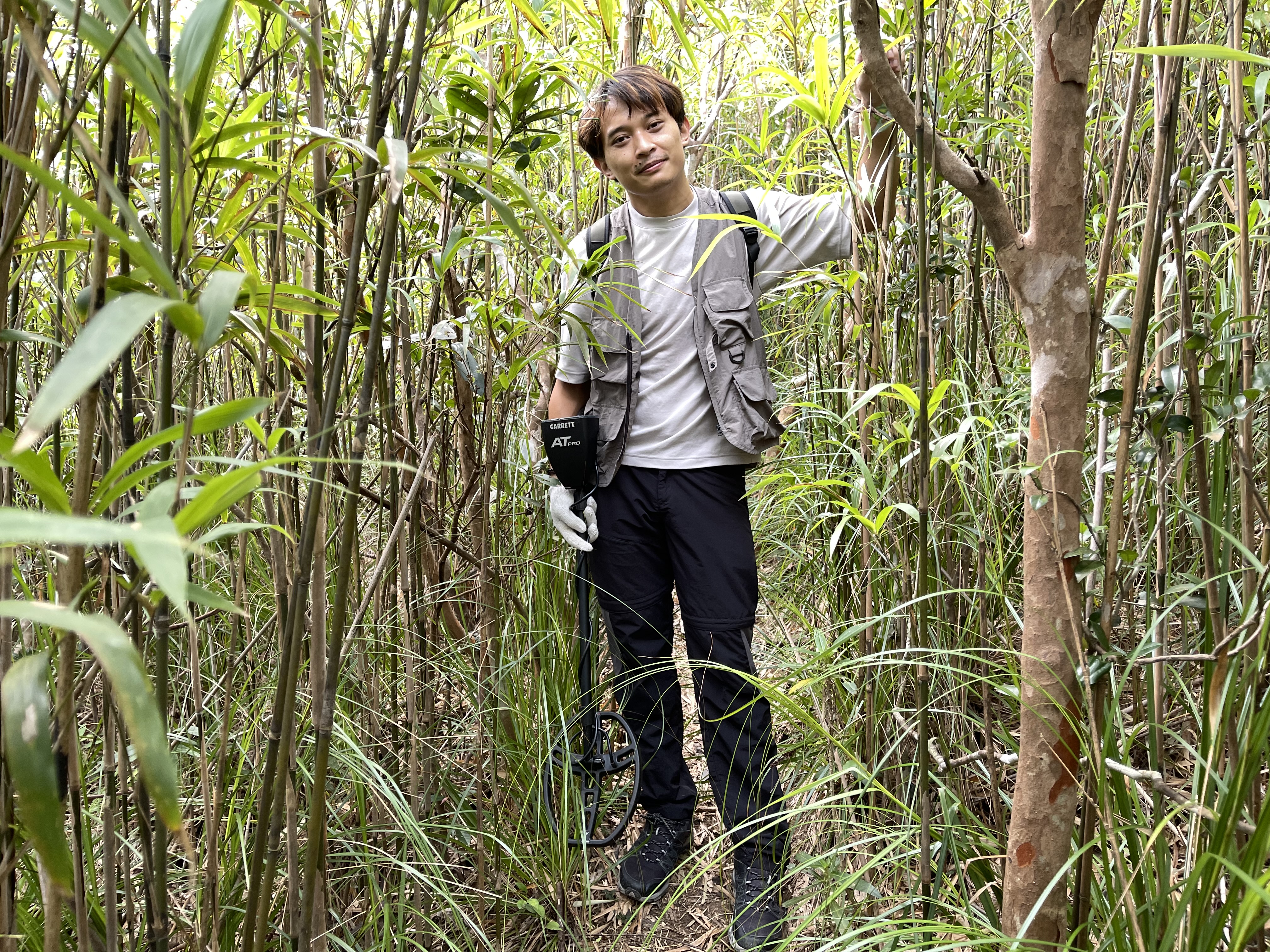
Critical questions surrounding ethics, race, and power also permeate our work in the laboratory. During my Master’s degree, I was granted access to skeletons curated in Cambridge, London, and Paris. These collections often derive from theft in early colonial periods. Recent historical investigations have discovered that at least over a million skeletons(!) from India were sold and moved all around the world for medical schools and college classrooms. In the name of biological study, the stories behind how these remains were acquired were covered up, masking power relations that enabled harm to so many societies in Asia, Latin America, Africa, and the Pacific.
CONTINUE READING BELOW

Making moves in my field towards decoloniality has become an important mission of ours. In petitions, social media calls, and published articles, we hold powerful institutions accountable for their previous and current unethical use of collections. Artifacts, historical sites, and human remains are not just archaeology—they are our shared humanity and history. We must work to restore dignity to ancestors who were maltreated, as well as ensure that decision-making power over their treatment is returned to the appropriate living communities.
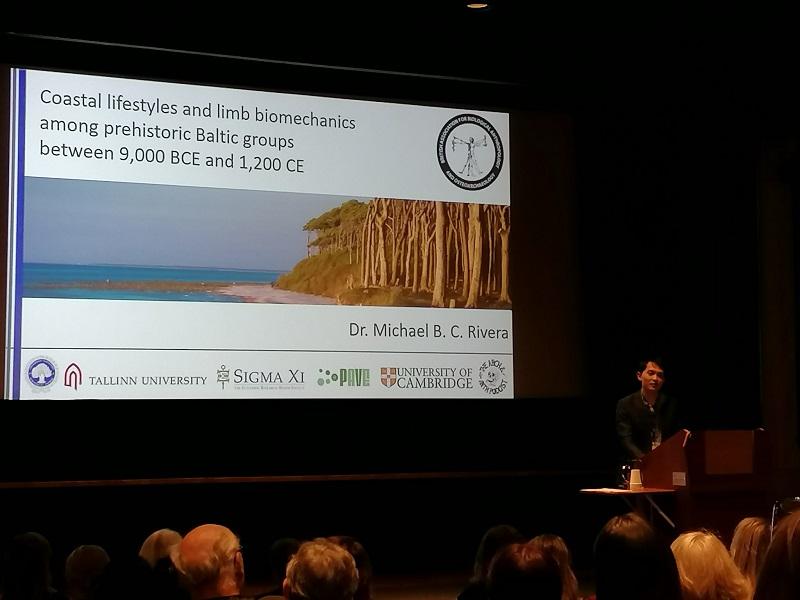
I have been heartened to witness (and work on a few) projects that repatriate collections back to more fitting resting places and bring communities into research environments to have their voices heard. As practitioners, we inherit the harms of our discipline, but now we may do better by forgoing our authority. Communities should tell us what types of science they would like to see happening. What questions are they curious to ask about their kin? Where can we play a role in their spirituality, community ties, repair, healing, or sense of closure? How would they like to see us behave in the process?
As scientists and educators, we must continually reflect on the question: Who benefits from the work we do?
As scientists and educators, we must continually reflect on the question: Who benefits from the work we do? There is still a greatly uneven infrastructure for research and scientific training in my field and many others. My colleagues and students across Southeast Asia have highlighted the global inequality that exists in who even gets to pursue fields such as anatomy, forensic anthropology, bioarchaeology, and human evolutionary science. There are still persistent challenges around securing funding, resources, and academic support, as well as gender bias and fieldwork safety. My hope is to see institutions in the Philippines, Hong Kong, and the greater Southeast Asian region continuing to gain research capacity and international support. I also wish to see greater inclusion of Southeast Asian voices (especially students) in shaping global ethical debates, as our efforts and discoveries certainly deserve the scientific community’s attention and respect.
In my own classroom, we nurture brave spaces for students to think critically and collaboratively. We must recognize the problems scientists and politicians leave behind for us to deal with and encourage something new and better for future generations. Scholars must find "truth" sitting at the intersections between disciplines, and through conversations about our work with communities beyond academia. Students seeking mentorship must keep holding onto curiosity, but pair this with responsibility and challenge established perspectives whenever necessary. This is the ecosystem needed for us to contribute meaningfully to social justice and improved public participation in science.

WATCH: Discovering Vietnam in three days
June 9, 2026
WATCH: Save for retirement or enjoy life now? (Generations Ep. 21)
September 16, 2026
WATCH: Pixar Summer Fest adventure at Hong Kong Disneyland
August 10, 2026