

Living the styrofoam cup story
I spent more than half of my life in newsrooms before crossing over to what many journalists half-jokingly call the "dark side."
For purists, journalism and government do not mix. Journalists are supposed to hold power to account while those in government hold power. In a perfect world, it’s part of the system of checks and balances.
I remember my late editor, Mr. C, telling me years ago when I hitched a ride with him in his beat-up Beetle, "Once you join the government, there's no turning back." The warning stayed with me. It probably explains why I resisted following the career path of my grandfather and late parents. They were tenured civil servants who enjoyed job security and guaranteed yearly salary increases, bonuses, and allowances while I foolishly learned to be content with the low pay and long hours and be happy to see my name on ink and paper.
Life in the newsroom teaches you many things—among them is how to detect lies and half-truths almost by instinct. You learn to separate facts from spin. Years of holding the red pen make one develop a built-in detector for people who are simply telling you BS.

What nobody tells you is that the easiest lie to believe is the one you tell yourself. It took losing my high-paying government post for me to realize that.

Immediately after I opened the brown envelope hand-delivered to me one Monday afternoon by a Palace messenger, the fancy title disappeared. So did the official car and driver. The carpeted office had to be cleared out ASAP, and the staff who filtered every phone call and visitor had to be reassigned elsewhere. The mobile phone that never seemed to stop vibrating even on weekends became eerily quiet.
From media to government
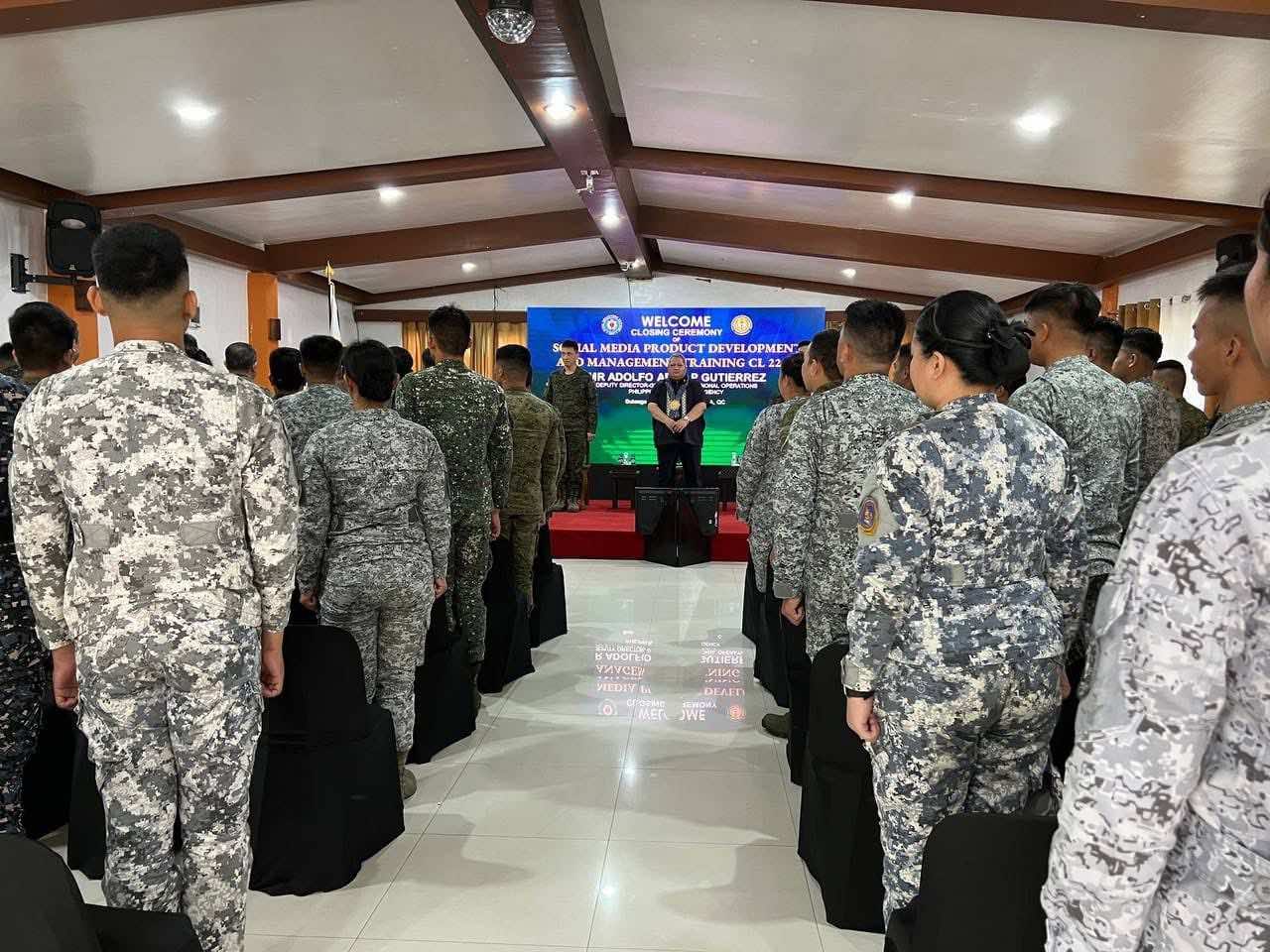
Jumping from the newsroom to government, I brought the belief that the long hours, the missed weekends and the sleepless nights were simply part of a greater calling. We liked to call it public service. Pro patria. In the service of the nation as one network romanticized it. Hearing compliments that you work like an Energizer bunny was enough to keep you going.
Looking back one year later, I realized work had become something else. Government service was my hiding place, my invisible shield, my quick getaway.
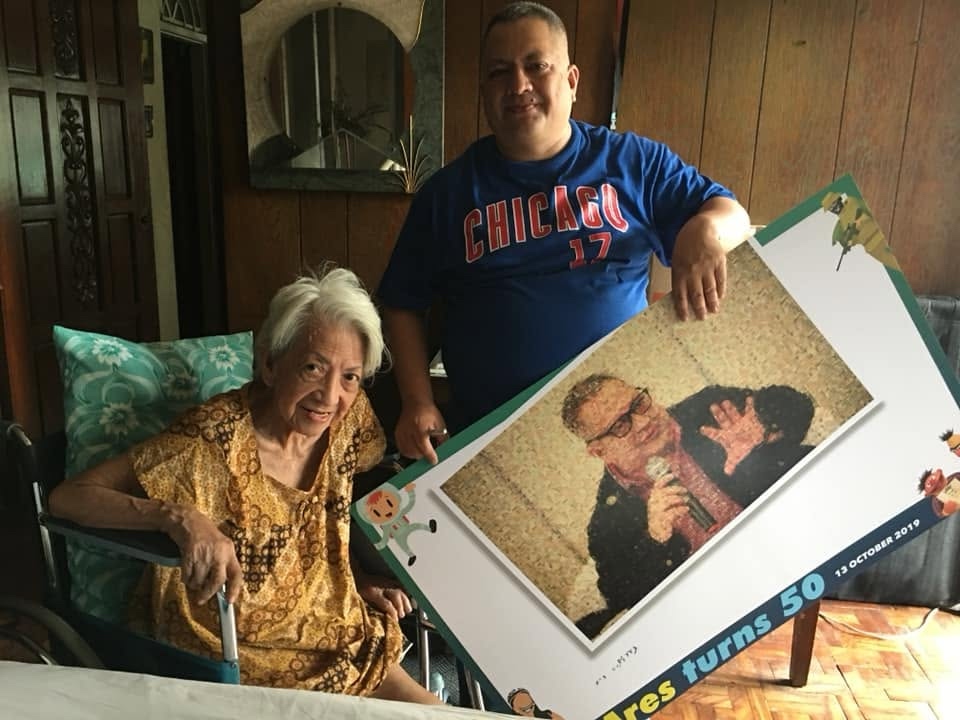
Two years ago, my mother died. I had just returned from an official trip to Samar when Mama’s heart stopped beating. Before I had time to understand what was happening, the demands of the job kept waving.
I was reviewing and signing off on documents with my ever-reliable executive assistant, Sam, by my side when my mother's coffin was wheeled into the funeral chapel.
I never cried. Not during the wake. Not even after all the visitors had left before midnight. Not in the last minute when I stood alone before Mama’s mortal remains were cremated.
People expected to see drama from an only son. We laid Mama to rest on a Saturday. By Monday, I was back at work. No bereavement leaves. The state’s information machinery had to be kept running.
I convinced myself that I was simply being professional. Battlefield commanders don't break down when faced by death. They show up and keep on fighting. Battles had to be fought in the information frontier against forces that nearly left the nation in ashes. Duty to country is bigger than my personal tragedy—that was the story I told everyone.
The truth was much simpler. Work made me forget what had just happened.
As long as there were meetings to attend, bottlenecks to untangle, and deadlines to beat, I didn't have the luxury of time to sit alone and nurse my grief. Somewhere along the way, I became addicted to solving everyone else's problems because it spared me from confronting my own.
Grief, however, is patient. It waits for its turn when you no longer have any reason to shut the door.
When the fancy title disappears
Less than a year after Mama’s passing, politics caught up with me. The winds shifted, and I found myself outside the kulambo. I had no ninong behind me. No influential family name that says “do not touch.” No padrino from above to call for intervention.
Just like that, years of loyalty and hard work could not be redeemed for anything.
The numbness disappeared overnight. What hurt most was discovering how conditional influence can be.
That's when I found myself replaying a video of Simon Sinek. He tells the story of a former undersecretary who was invited to speak at the same conference before and after leaving office. When he held the position, he flew first class, was chauffeured from the airport to the conference venue, and was handed coffee in a ceramic cup. A year later, he attended the same conference as an ordinary guest. He flew economy, took a taxi, and poured his own coffee into a styrofoam cup.
Sinek's point was simple: The ceramic cup never belonged to him—it belonged to his position. When he lost the position, all that remained was himself.
I first watched that video after receiving my appointment papers to a government post with a fancy title. It reminded me not to let the position define me.
After I left the office for good, I watched the video again. Knowing the lesson, however, is very different from living it.
Most of us spend decades building careers, collecting titles, awards, and credentials. We mistake what we do for who we are. Then life quietly takes those things away. And maybe that is life's most uncomfortable gift.
When you occupy a position of influence, people remember your birthday. The name of your dog. They bring pasalubong from their personal or official trips. They react to everything you post online. They invite you for coffee. They insist on taking selfies with you.
Lose the title, and many of them disappear quickly. Your name gets removed from group chats. Messages go unanswered, and you appear invisible when you cross paths with former well-wishers.
A former colleague who used to call me at three in the morning asking for favors left my message seenzoned when all I needed was directions to one of their branch offices so I could inquire about a loan. Promises to keep me posted on possibilities were not kept to this day, so I had to row my own boat.
People say, "Ganyan talaga ang buhay. Weder-weder lang." They're right, but it still hurts.
For months, I carried anger everywhere, almost all the time. I withdrew from people. I stopped showing up for weekly get-togethers. I cut off even long-time friends who were just interested in the juicy bits so they could fish out something they could share in the next day’s kapihan of carpetbaggers, influence-peddlers, and opportunists who, like vultures, feed on the carcass of the fallen.
Only much later did I realize that I wasn't simply mourning a job loss; I was mourning my mother.
For all those months I buried myself in work, I never allowed myself to grieve the loss of the woman who spent her life making sure mine would be comfortable and secure after I lost my father at an early age. I also gave the best years of my life so I could send my children to good schools and care for my mother until her final days. I never paused to feel the weight of that loss.
Getting axed from the top of the totem pole didn't cause my pain; it simply removed the shield that covered me from reality. It was about the mother I never truly said goodbye to.
Perhaps that's why Sinek’s styrofoam cup story resonates with so many people.
Most of us spend decades building careers, collecting titles, awards, and credentials. We mistake what we do for who we are. Then life quietly takes those things away.
And maybe that is life's most uncomfortable gift. Because when the fancy title disappears, when the office gets padlocked, when the phone stops buzzing and the ceramic cup is handed to someone else, only one question remains: Who are you without everything but the styrofoam cup?
I'm still looking for the answer, but what I know is that I am no longer chasing a fancy title to prove my worth.
I may no longer be having coffee in a gold-gilded ceramic cup, but I still have work to do.
Quitting altogether was never an option. Not because I’m a macho, bulletproof Gen Xer but because of the people waiting for me at home.
I am still a father who has unmarried children to guide. I still have bills to pay. I still need to earn an honest living, put food on the table, and save enough to keep an eventual empty nest sufficiently warm for me and my wife because there is no inheritance or family wealth to lean on.
Life didn't become easier after losing everything that I thought defined me. Some days are still heavy; some wounds still sting. There are days when I miss my mother more than ever.
Real strength isn't measured by how high you climb. It's measured by how you get up and start walking again.

WATCH: Discovering Vietnam in three days
June 9, 2026
WATCH: Is Philippine cinema still thriving? (Generations Ep. 19)
September 2, 2026