

Why are Gen Zs obsessed with their parents' playlists?

Every week, PhilSTAR L!fe explores issues and topics from the perspectives of different age groups, encouraging healthy but meaningful conversations on why they matter. This is Generations.
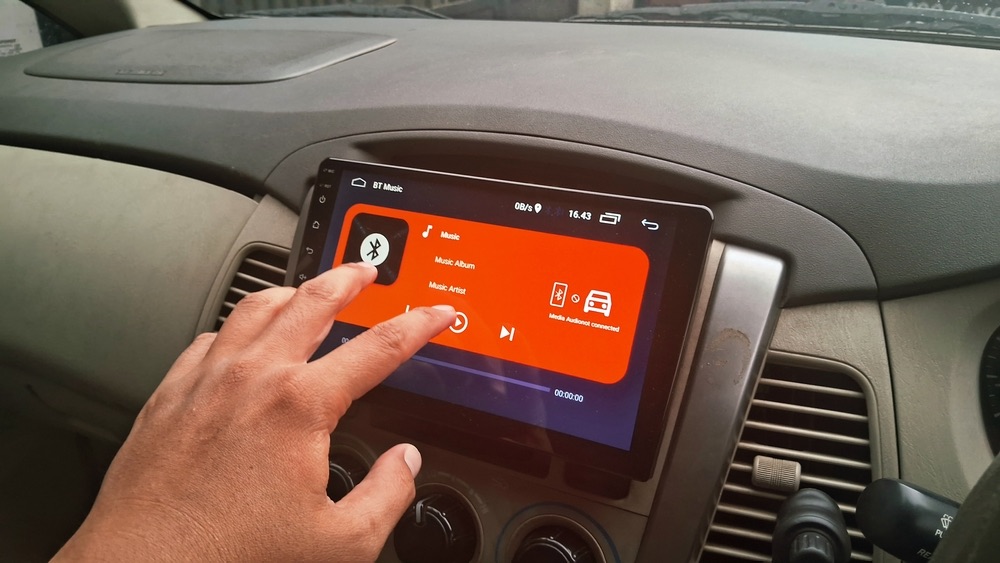
When I'm in the car with my family, it's hard to tell who's on the aux. Despite being a generation apart—my brother and I are Gen Z, while my parents are Gen X—it seems in the past few years our music tastes have melded into one '80s new wave mega-playlist.
Some songs we discovered precisely because of our parents. When my brother was a kid, we'd always laugh at his go-to videoke song being Even the Nights are Better, my mom's favorite Air Supply track. But others we found on our own, like when The Bloomfields’ version of Ale kept showing up on our TikTok FYPs, or when we watched the biopic Michael and had Thriller stuck in our heads.
Of course we listen to modern artists, too, but recently, Gen Z like my brother and me have been rediscovering songs that came out before we were even born. A 2026 Luminate report found that in the US, 25% of listeners aged 13-24 prefer music from before the ‘90s, growing from only 18% in 2021.
Much of this is simply nostalgia. For Marga Ancheta, a 24-year-old writer, older music reminds her of childhood memories, of a time not yet burdened by the seemingly never-ending obligations of adulthood. “Pupunta kami ng parents ko sa Ice Seguerra concert together,” she told PhilSTAR L!fe. “That's how you know I was [raised] in an ASAP-listening household.”
It’s a canon event not unique to Gen Z. When times get tough, we often seek refuge in the perceived safety of the past. This may explain the broader trend of nostalgia in the arts: As more of Gen X become the creators and decision-makers behind what we watch, they likely return to their own childhoods for inspiration. It's a sound strategy for the companies funding them, too, hitting two audiences with one stone—younger folks drawn to characters their own age, and older ones nostalgic for the setting.

Last month, some friends and I watched Bongga Ka, 'Day!: The Annie Batungbakal Musical at the Newport Performing Arts Theater, with a full house of people of all ages. Set in the disco era, some references flew over our heads—we joked that we were getting FOMO every time the crowd laughed at something we didn’t get—but it was easy to see ourselves in the underdog Annie, and to sing along to the Hotdog songs to which we don’t regularly listen yet knew the words to. (Earlier this year, we also watched the ‘80s-set Bagets: The Musical in the same theater.)
Perhaps we are enamored by the ‘70s-’90s because these eras still clearly influence a sizable portion of contemporary pop culture. As a teen in the 2010s, I obsessed over Stranger Things and the ‘70s-inspired music and fashion of IV of Spades. I read newly published books whose young characters listened to The Smiths. And while it's not breaking news that trends tend to be cyclical, 26-year-old law student Ron Bernabe noted that at least now, older music is easier to find.
While our parents had to wait for CD shipments and radio play to hear songs they liked, Gen Z has the fortune of access. This enables us to diversify our listening habits, not just across genres and distance but also time. Still, Ron acknowledged that older songs re-entering our playlists may be doing so not necessarily because they’re old, but because they resonate with us, touching on evergreen concepts of love, loss, and life.
Gen Z singer-songwriter Renee Dominique, who enjoys posting covers of old songs online, shared something similar in the 20th episode of Generations. Aside from being raised by musician parents and having grown up with this era of music, she believes they are just “really timeless.” “There’s a lot of ways now to modernize or reintroduce classic songs to the younger generation,” she said. “But at the end of the day, [the music] is timeless. [It] will transcend time.”
Marga added that she finds music from the past “more authentic,” whereas music now can be over-engineered for virality. “Bands from before started out in garages, as buskers lang. Ngayon kasi it feels like nama-manufacture na ‘yung idea of what sounds good,” she said.
As such, some Gen Z may look at older music as alternative modes of self-expression; ones more grounded in their realities and away from the lab-grown hits made to garner as much popularity as possible. After all, it’s hard to talk about, say, ‘80s music without also talking about ‘80s fashion, film, and community events. It’s not far-fetched to say young people are drawn to these eras—or at least the oversimplified versions of them they know—because they are presented as fully-formed monocultures. When you say ‘80s, everyone knows it’s big hair and colorful outfits.
In contrast, Gen Z may find the 2020s harder to define. Yes, it's ongoing and thus dynamic, but also socially fractured at a level that we have never seen before. Increasingly, media is no longer shared but consumed through individual devices, handpicked by an algorithm trained to predict your taste. Two people in the same room can spend the same amount of time online and never see the same thing. Once marketed to connect, social media has become more and more alienating.
So much of the internet is deceptive, too, from AI-generated media to FaceTune before it. Young people may find it cool, in a way, to resist the slop of modern culture by turning back the clock to a time when it was easier to know if someone wasn’t telling the truth.
This is not to say there are no good new artists, or that ‘80s music wasn’t inspired by even older music that preceded it. When I asked Marga and Ron who they’ve been listening to, they both named Olivia Rodrigo, who often honors the music legends that inspire her. “I think music is a circle,” Marga said.
But the great thing about music now is that it’s relatively more accessible than before, so we have room for both old and emerging voices. And as Gen Z grows older and the music we make gets called “oldies” as well, one can only hope that, like the music of the generations before us, it stands the test of time and resonates with people who may not have lived through them, too.
Generations appears weekly at PhilSTAR L!fe.
Did this Generations piece make you want to experience more of the music and nostalgia that continue to bring different generations together? Catch Bongga Ka 'Day: The Annie Batungbakal Musical, which is running until Oct. 31 at the Newport Performing Arts Theater. Tickets are available via TicketWorld.

WATCH: Pixar Summer Fest adventure at Hong Kong Disneyland
August 10, 2026